


Plan Your Meals, Master Your Shop
The key to successful solo cooking begins before you even preheat the oven. A little planning prevents impulse buys and food waste. Before heading to the store, sketch out a rough idea of your meals for the week. Check your pantry, fridge, and freezer
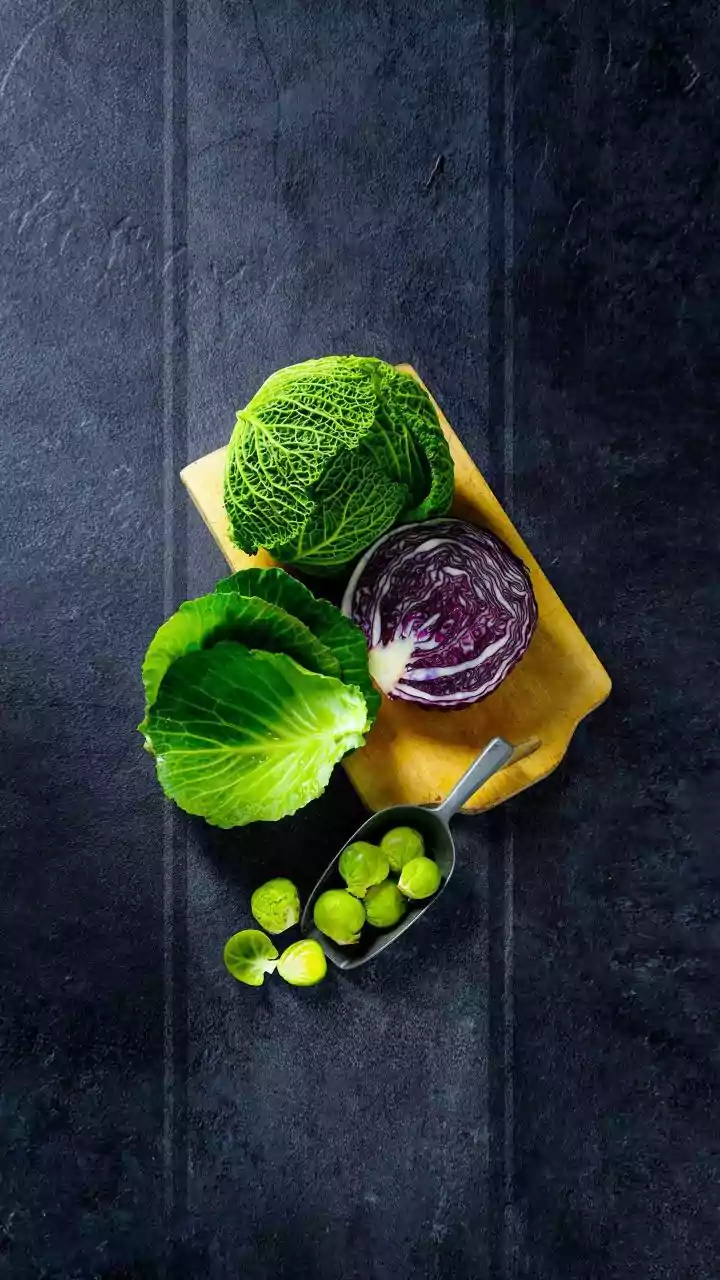
first, and build your grocery list around what you already have. This strategy saves money and ensures you buy only what you need. Embrace the butcher counter and deli, where you can buy a single chicken breast or just a few slices of cheese, avoiding the waste of pre-packaged family packs. Buying from bulk bins is another excellent trick; you can get the exact amount of rice, oats, or nuts you need instead of a giant bag. Finally, don’t shy away from the frozen food aisle. Bags of frozen fruits and vegetables allow you to use just what you need for one meal, sealing the rest for later.
The Art of the Half-Batch
Most recipes are designed for families, but scaling them down doesn't have to be complicated. For many dishes, simply halving every ingredient works perfectly. A quick online search can provide a chart for common measurement conversions, like half of a quarter cup being two tablespoons. When a recipe calls for a single egg, whisk it in a small bowl and use half (about two tablespoons), saving the remainder for scrambled eggs the next morning. However, some dishes are not easily halved or are worth making in a full batch. Soups, stews, curries, and sauces often require a certain volume to cook properly and taste just as good, if not better, as leftovers. In these cases, it's more efficient to cook the full recipe and plan to freeze the rest.
Make Your Freezer a Valued Partner
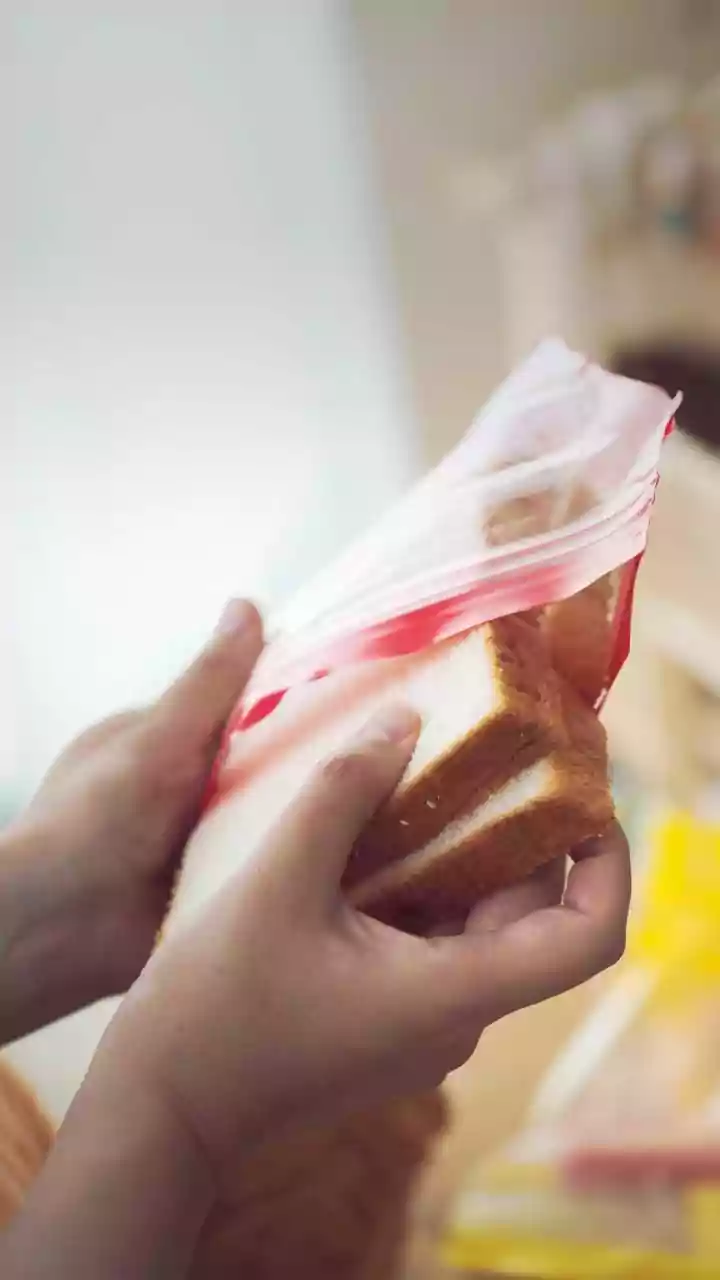
Your freezer is the single most powerful tool for a solo cook. It acts as a library of future meals, ready at a moment's notice. The key is to freeze food in individual portions. Cook a large pot of chili or bolognese, let it cool, and then divide it into single-serving, airtight containers. Label everything clearly with the dish name and the date you froze it. Grains like rice and quinoa also freeze beautifully. Spread cooked grains on a baking sheet to cool, then transfer to a freezer bag. This prevents clumping and allows you to scoop out what you need. Soups and broths can be frozen in silicone trays or muffin tins to create perfectly portioned pucks. Once frozen solid, pop them out and store them in a larger bag to save space.
Build a Smart, Solo-Friendly Pantry
A well-stocked pantry is the foundation of quick, creative meals. The goal for a solo cook isn't to have everything, but to have the right things. Focus on versatile staples that can be used in multiple dishes. Essential items include oils and vinegars, a variety of spices, canned beans and tomatoes, pasta, rice, and lentils. Consider items that offer big flavor with little effort, such as soy sauce, mustard, and honey. Instead of buying large containers, look for smaller packages to ensure freshness and reduce the risk of items expiring before you can use them. Having these basics on hand means you can always pull together a satisfying meal, like a simple pasta dish or a hearty bean soup, without a last-minute trip to the store.
Cook Once, Eat Creatively Twice
Leftovers don't have to be boring. The secret is to think of them not as a finished meal, but as a component for a new one. This “cook once, eat twice” strategy is a cornerstone of efficient solo cooking. A roasted chicken for dinner one night can provide the meat for chicken salad sandwiches the next day. Leftover roasted vegetables can be tossed into a grain bowl, folded into an omelet, or blended into a soup. The last bit of a chili can top a baked potato. By planning for these second-act meals, you not only eliminate food waste but also save significant time and effort during the week. It turns one cooking session into the foundation for several delicious and distinct meals.