




1. Amla Murabba: The Sweet Preserve
For those with a sweet tooth, amla murabba is the perfect introduction. This traditional preserve involves cooking whole or segmented gooseberries in a fragrant sugar or jaggery syrup until they become tender, translucent, and jewel-like. Spices like cardamom,
saffron, and black pepper are often added to create a complex, aromatic flavour that balances the fruit's natural tartness. Amla murabba is typically eaten as a sweet pickle or dessert. It has a long shelf life, making it a popular way to preserve the goodness of amla long after its season is over.
2. Amla Achar: The Tangy Pickle
A staple in many Indian households, amla achar, or pickle, is a flavour explosion. To make it, amla pieces are often steamed or boiled, then mixed with a robust blend of oil, mustard seeds, fenugreek, turmeric, and chilli powder. The result is a spicy, tangy, and salty condiment that adds a powerful kick to any meal, pairing wonderfully with dal-rice, parathas, and curd rice. While many recipes exist, the basic principle is to let the amla marinate in the spices, allowing the flavours to deepen over time. Enjoy it in moderation due to its salt and oil content.
3. Amla Chutney: The Versatile Condiment
If you need a quick and fresh preparation, amla chutney is an excellent choice. This vibrant green condiment is typically made by blending raw amla with fresh coriander, mint, green chillies, ginger, and cumin. A little jaggery or sugar can be added to balance the sourness. Unlike pickles and murabbas, this chutney is usually made fresh and consumed within a few days. It serves as a zesty accompaniment to snacks like samosas and pakoras, or as a side for dosas and idlis.
4. Amla Candy: The Healthy Treat
Amla candy is a popular and clever way to get children (and adults) to eat this nutritious fruit. The process involves steaming or boiling amla segments, soaking them in sugar syrup, and then sun-drying them until they become chewy. The finished candies are often tossed in powdered sugar and a pinch of black salt for that irresistible sweet, sour, and salty flavour profile. They serve as a healthy alternative to processed sweets and can be stored in an airtight container for a convenient snack.
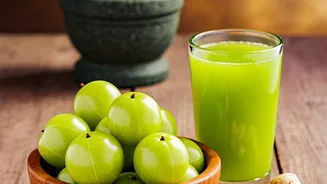
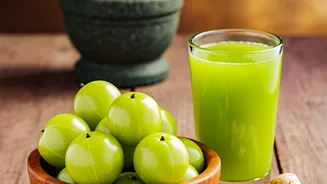
5. Amla Juice: The Morning Elixir
One of the simplest ways to consume amla is by juicing it. Blending fresh, chopped amla with water and then straining the pulp yields a potent, nutrient-dense drink. Because of its strong taste, many people prefer to dilute it or add other ingredients like ginger, honey, black salt, or mint to make it more palatable. Starting your day with a small glass of fresh amla juice on an empty stomach is believed to boost immunity, aid digestion, and promote healthy skin.
6. Dried Amla Powder: The Convenient Supplement
For year-round access to amla's benefits, amla powder is incredibly useful. It's made by dehydrating the fruit and grinding it into a fine powder. This powder can be easily incorporated into your daily routine. You can stir a teaspoon into a glass of warm water in the morning, add it to smoothies for an antioxidant boost, or even mix it into salad dressings. Some even use it as a souring agent in curries and dals, much like tamarind or dried mango powder.
7. Amla in Savoury Dishes: The Secret Ingredient
Beyond pickles and chutneys, amla can be used as a flavouring agent in everyday cooking. Grated or finely chopped amla can be added to dals and lentil soups to impart a subtle tartness. It can also be sautéed with tempering spices like mustard seeds and curry leaves and mixed into rice dishes, similar to lemon rice, for a unique tangy flavour. This method allows you to seamlessly integrate the fruit's health benefits into your main meals without overpowering them.