



The Protein Showdown: A Numbers Game
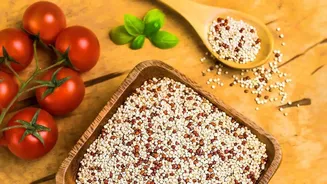
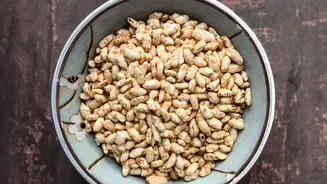
When it comes to pure protein numbers, quinoa has a clear edge. Uncooked quinoa contains about 14 grams of protein per 100 grams, which is impressive for a plant-based food. In contrast, ragi, also known as finger millet, offers a more modest 7 to 8 grams of protein per 100 grams.
For those specifically looking to maximise protein intake, quinoa appears to be the frontrunner. However, the story of protein isn't just about quantity.
Quality Over Quantity: The Amino Acid Profile
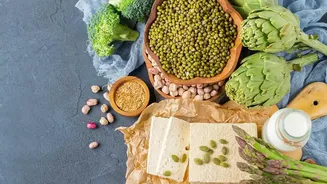
Protein quality is determined by its amino acid profile. Quinoa is famously a 'complete protein', meaning it contains all nine essential amino acids that our bodies cannot produce on their own. This makes it an excellent protein source, especially for vegetarians and vegans. Ragi, like most other cereals, is not a complete protein on its own as it is low in the amino acid lysine. However, Indian food traditions have a built-in solution for this. Ragi is often paired with dals or curd, which are rich in lysine. This combination creates a complementary protein meal, effectively providing a complete amino acid profile.
The Nutritional Undercard: Beyond Protein
While quinoa wins on protein, ragi is a champion in other crucial areas. Ragi is an absolute powerhouse of calcium, providing around 344-364 mg per 100 grams. This is nearly seven times more than quinoa, which contains about 47 mg of calcium. For bone health, especially for children, women, and older adults, ragi is an unparalleled grain. Ragi is also a very good source of iron, containing about 3.9 mg per 100g. Both grains are rich in dietary fibre, which is essential for good digestion and helps you feel full for longer. Ragi contains around 11 grams of fibre per 100g, while quinoa contains about 7 grams.
Impact on Blood Sugar
For individuals managing blood sugar levels, both grains are good choices as they have a low glycemic index (GI), which means they release sugar into the bloodstream slowly. Quinoa has a GI of around 53, while ragi's GI is also in the low range, typically between 46 and 54. The high fibre content in both grains further helps in regulating blood sugar and promoting steady energy levels, avoiding the sharp spikes and crashes associated with refined grains.
The Practical Pantry Test: Cost and Availability
For the average Indian household, practicality is key. Ragi has been cultivated in India for centuries and is widely available and significantly more affordable than quinoa. It's deeply integrated into regional cuisines, from ragi mudde in Karnataka to nachni rotis in Maharashtra. Quinoa, being native to South America, is imported and comes with a premium price tag. This can make it less accessible for daily consumption for many families.
In the Kitchen: How to Use Them
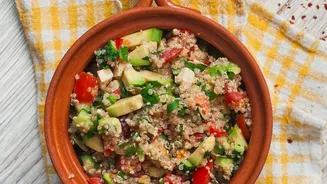
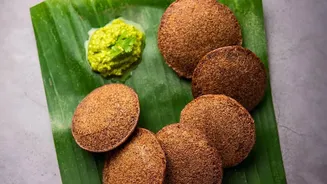
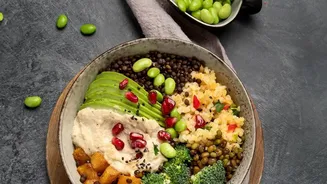
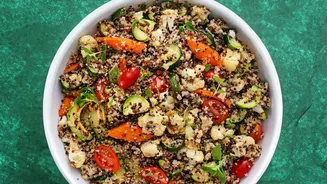
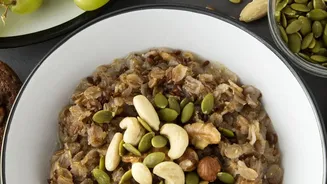
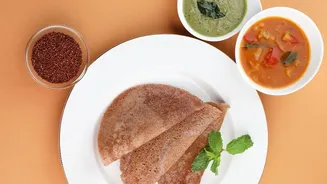
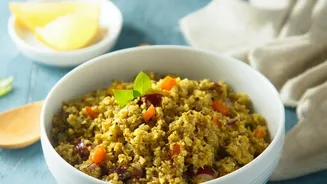
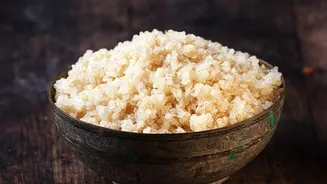
Both grains are incredibly versatile. Quinoa, with its fluffy texture and mild, nutty flavour, works well in salads, pulao, and as a substitute for rice. Ragi has a slightly earthy taste and is traditionally used to make porridge (kanji), dosas, idlis, and flatbreads (rotis). Ragi flour can also be incorporated into baked goods like cookies and cakes to boost their nutritional value. Sprouting ragi can even enhance its nutrient absorption.