






The Foundation of Flavour and Fermentation
Coconut milk isn't just a flavouring agent; it is a fundamental component of the appam batter. Traditionally, appam batter is a simple mix of ground rice and coconut, fermented overnight. This fermentation process, often kickstarted by yeast or traditional
toddy, is where the magic begins. The natural sugars present in coconut milk act as fuel for the yeast, helping it to produce the carbon dioxide gas that gives the batter its rise and the finished appam its signature spongy, airy texture. This process also introduces a faint, pleasant sour note that is characteristic of well-made appam, balancing the overall flavour profile. Some recipes use grated coconut ground with the rice, while others call for adding coconut milk directly, but the principle remains the same: the coconut is essential for both fermentation and flavour.
The Secret to the Pillowy Soft Centre
The most coveted part of the appam is its cloud-like, tender centre. This incredible softness is largely thanks to the high fat content in coconut milk. During the grinding and mixing process, these fats coat the starch particles from the rice. This action tenderises the structure, preventing it from becoming dense or chewy. As the appam cooks in the special curved pan called an 'appachatti', the batter pools in the middle. The trapped steam gently cooks this thicker central part, and the fats in the coconut milk ensure it remains moist, rich, and almost melts in your mouth. Without the richness of full-fat coconut milk, achieving that luxurious, spongy core would be nearly impossible.
Crafting the Iconic Crispy Lace
If the soft centre is the heart of the appam, the crispy, golden-brown edge is its crown. This beautiful lattice is a result of a perfect storm of culinary science, with coconut milk playing a lead role. When the batter is swirled in the hot pan, a thin layer coats the sloped sides. The combination of sugars from the coconut milk and rice, along with proteins, undergoes the Maillard reaction—the same process that gives toast and seared meat their delicious brown crust and complex flavour. This, combined with a degree of caramelisation from the sugars, creates that irresistible crispiness and golden hue. The fat from the coconut milk also helps in this process, essentially frying the thin edges to create that delicate, crunchy contrast to the soft middle.
An Unmistakable Aroma and Taste
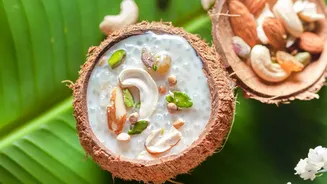
Beyond texture, coconut milk imparts the subtle, sweet, and nutty flavour that is inextricably linked with appam. Freshly extracted coconut milk, in particular, carries aromatic compounds that are released during the cooking process, creating a comforting and appetising fragrance. This inherent sweetness complements the slight tang from fermentation, resulting in a flavour that is complex yet delicate. It’s a taste that is distinct from other rice-based pancakes like dosa. In some parts of Kerala, appam is even served with a bowl of sweetened coconut milk on the side, further highlighting its importance as the primary flavour of the dish. This practice underscores just how central the ingredient is to the entire appam experience, serving as both a core component of the batter and a final flourish.