







A Breath of Fresh Air for Asthma Sufferers
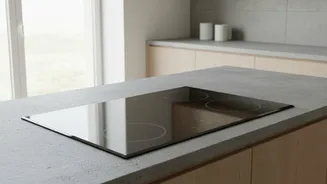
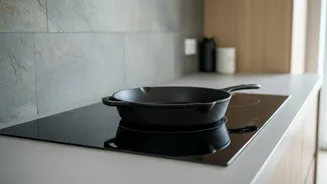
The latest research stirring the pot comes from a study released in early July 2026 by the MetroHealth System in the United States. In a first-of-its-kind trial, researchers replaced gas stoves with electric induction models in the homes of people with asthma.
The results were striking. Participants reported significant improvements in their breathing and a reduction in asthma symptoms. Researchers tracked indoor air quality before and after the switch, paying close attention to nitrogen dioxide (NO2), a well-known respiratory irritant produced by burning gas. The findings suggest a direct link between removing the gas appliance and better respiratory health, offering a tangible sense of promise for those with chronic lung conditions.
Why This Finding is 'Preliminary'
While the results are encouraging, the researchers themselves are quick to point out the study's limitations. It was a relatively small-scale project, involving fewer than 100 households. For a scientific finding to be considered conclusive, it typically needs to be replicated in much larger studies with diverse populations and a control group—a similar group of people who continue using their gas stoves for comparison. This process of peer review and replication is fundamental to science. It ensures that the effect seen wasn't just a coincidence or unique to the specific group of people studied. So, while this study provides a powerful and promising piece of the puzzle, it's just one piece. It opens the door for more extensive research, which will be needed to confirm these benefits for the wider population.
The Broader Context of Gas Stove Risks
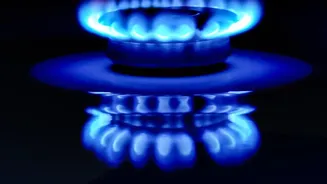
This promising study on asthma symptoms doesn't erase the broader concerns scientists have about gas stoves. Decades of research have shown that gas stoves release a cocktail of pollutants into our homes, many of which are unregulated in indoor air. Nitrogen dioxide is a major culprit, with studies showing indoor levels can quickly surpass outdoor air quality standards, even from just a few minutes of cooking. This is linked to an increased risk and severity of childhood asthma. Beyond NO2, gas stoves are also known to emit benzene, a known carcinogen, and other harmful volatile organic compounds. Some research even indicates that stoves can leak methane—a potent greenhouse gas—even when they are turned off. These established risks are why public health bodies continue to investigate the issue closely.
What You Can Do Now: Ventilation is Key
Waiting for definitive science doesn't mean you can't take action. Across the board, experts agree that the single most effective step you can take to reduce your exposure to cooking-related pollutants is to improve ventilation. Whenever you cook with a gas stove, open a window. If you have a range hood that vents to the outdoors, use it every single time you turn on a burner—not just when something is smoking. Studies show cooking on the back burners can improve the capture of pollutants by the hood. Using portable air purifiers with a high clean air delivery rate (CADR) near the kitchen can also help improve indoor air quality. These steps don't eliminate the emissions, but they can significantly reduce the concentration of pollutants you and your family breathe in.