



A Dish of Golden Sunshine
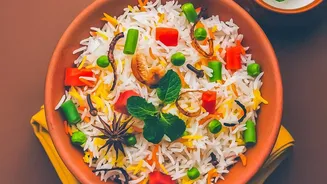
At its heart, Basanti Pulao is a deceptively simple dish that sings with flavour. It is a sweet and fragrant rice preparation, known in Bengali as 'Mishti Pulao'. Its most striking characteristic is its radiant yellow colour, which gives the dish its name.
The pulao is typically made with gobindobhog rice, a short-grained, aromatic variety native to West Bengal, which lends a unique buttery and floral fragrance that is essential to the dish's identity. Studded with golden-fried cashews and plump raisins that provide texture and bursts of sweetness, the pulao is gently spiced with whole garam masala like cinnamon, cloves, and cardamom, and cooked in generous amounts of ghee. It is a feast for the senses before it even reaches the plate.
The Story in the Colour
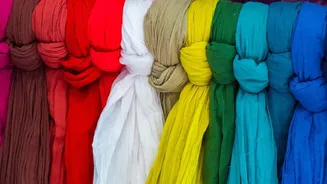
The name 'Basanti' literally translates to 'of spring' and also means the colour yellow or saffron. This colour holds deep cultural and religious significance. Traditionally, it is the colour associated with Saraswati Puja, the spring festival celebrating the goddess of knowledge, where women wear yellow sarees and yellow-hued foods are offered. The colour represents prosperity, harvest, and divine blessing. While saffron was used in its early origins, influenced by the lavish Zard Pulao of the Mughal courts, turmeric became a more accessible way for households to achieve the signature golden hue, though saffron is still used for special occasions. This vibrant colour connects the dish to a cycle of auspicious beginnings and joyful celebrations.
A Taste of Celebration
In Bengal, Basanti Pulao is not an everyday meal; it is occasion food, reserved for moments of joy and togetherness. It is a non-negotiable part of the 'bhog' (devotional offering) during major festivals like Durga Puja and Jagadhatri Puja, often served to thousands at community feasts. From wedding banquets to family gatherings, the presence of this golden rice on the menu signals that the meal is special. Its gentle sweetness is designed to be paired with spicier, more robust side dishes. The classic accompaniment is Kosha Mangsho, a slow-cooked spicy mutton curry, but it pairs just as beautifully with a spicy chicken curry or a vegetarian Aloor Dum (spiced potato curry), creating a perfect balance of flavours on the plate.
The Secret to a Perfect Pulao
Making the perfect Basanti Pulao is considered an art form, with techniques passed down through generations. The key is the gobindobhog rice, which must not be over-soaked or overcooked. Many family recipes involve marinating the washed and dried rice in a paste of ghee, ginger, and ground spices before cooking, which allows each grain to become infused with flavour. The cooking process itself is a delicate balance. The rice is gently sautéed in ghee with whole spices until fragrant, before hot water is added. The amount of sugar is a matter of personal and regional preference, but the final dish should be distinctly sweet, yet savoury. The final flourish of fried cashews and raisins adds a delightful crunch and chewiness, completing the dish.
A Plate Full of Patriotism
As India celebrates its Independence, the dining table becomes a reflection of its unity in diversity. While the tricolour finds its representation in many foods, the 'Basanti' or saffron colour of this pulao has found a new context. The saffron in the Indian flag stands for courage and sacrifice, and this pulao, with its rich heritage and celebratory nature, embodies a spirit of regional pride contributing to the national identity. Bringing Basanti Pulao to the Independence Day feast is more than a culinary choice; it’s an act of cultural exchange. It’s a way of sharing a piece of Bengal’s soul, its history, and its joy with the rest of the nation, proving that patriotism can indeed be served on a platter, one fragrant, golden grain at a time.