


What Exactly Is Tai Chi?
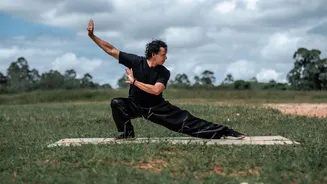
Often described as 'meditation in motion,' Tai Chi is an ancient Chinese practice that combines gentle, flowing movements with deep breathing and mindfulness. While it originated as a martial art, it is now practiced globally primarily for its significant
health benefits. Unlike high-impact workouts, Tai Chi is slow, gentle, and doesn't leave you breathless. It consists of a series of postures that flow from one to the next without pause, ensuring your body is in constant, graceful motion. This makes it an incredibly accessible form of exercise for people of all ages and fitness levels, including those who may not be in peak physical condition.
The Science of Finding Your Balance
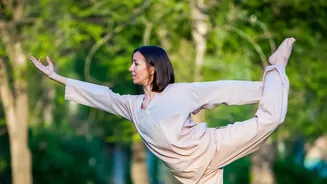
One of the most celebrated benefits of Tai Chi is its profound impact on balance and stability. The slow, deliberate weight shifts and controlled movements are a form of training for your body's proprioception—the ability to sense its position in space. This sense can decline with age, making falls a greater risk. By regularly practicing Tai Chi, you enhance this internal sense, strengthen lower-body muscles, and improve coordination, all of which are crucial for preventing falls. Studies have shown that practicing Tai Chi can lead to a significant reduction in fall risk among older adults, not just by improving physical mechanics but also by reducing the fear of falling itself.
A Practice for a Calmer Mind
The headline's promise of a 'slower relaxation practice' points to the mind-body connection at the heart of Tai Chi. The focus on deep breathing, mental concentration, and fluid movements triggers a relaxation response. This can lead to lower levels of the stress hormone cortisol, a slower heart rate, and reduced blood pressure. The mindful component of the practice encourages you to be fully present in the moment, which helps to quiet a busy mind and reduce anxiety. Research suggests that Tai Chi can be as effective as other forms of exercise and meditation in improving mood and overall psychological well-being, making it a powerful tool for stress management.
Gentle Strength and Lasting Flexibility
While it may look gentle, Tai Chi is a surprisingly effective way to build strength and flexibility. The practice addresses key components of fitness: muscle strength, flexibility, balance, and to a lesser degree, aerobic conditioning. The unsupported, flowing arm movements help build upper-body strength, while the slow squats and single-leg stances strengthen the legs and core. This consistent movement also enhances flexibility and improves joint mobility, which can help reduce the stiffness associated with conditions like arthritis. It provides a holistic workout that builds functional strength without putting undue strain on the body.
How to Get Started on Your Journey
Starting with Tai Chi is straightforward. You don't need any fancy equipment, just comfortable clothes and an open mind. While there are many online resources, taking a class with a qualified instructor is often the best way to learn the correct form and postures. Don't be intimidated by the different names for styles, such as Yang or Chen; the most important thing is to find a class and an instructor that match your personal needs and goals. Some programs focus more on the martial arts aspect, while others prioritize healing and stress reduction. It's always a good idea to check with your doctor before starting any new exercise regimen, but given its excellent safety record, Tai Chi is often highly recommended.