


The Nutritional Showdown
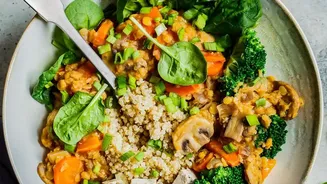
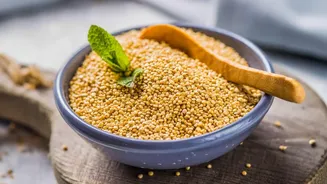
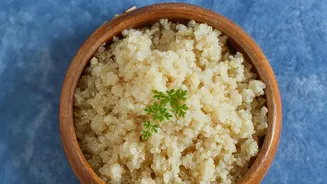
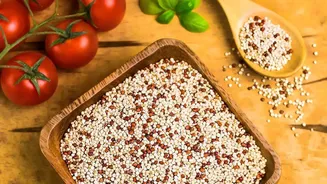
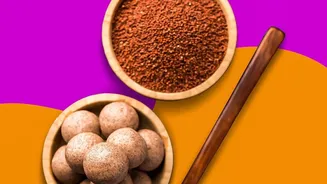
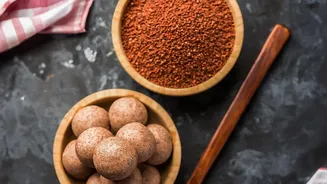
When comparing ragi (finger millet) and quinoa, their nutritional profiles reveal distinct advantages. Quinoa is celebrated for being a complete protein, meaning it contains all nine essential amino acids, which is rare for a plant-based food. It generally
offers more protein per serving than ragi, making it an excellent choice for muscle repair and for those on a high-protein diet. On the other hand, ragi is a nutritional powerhouse in its own right, particularly for its mineral content. It boasts an exceptionally high amount of calcium, almost seven times more than quinoa, making it superb for bone health. Ragi is also a fantastic source of iron and dietary fibre, often containing more fibre than quinoa, which aids in digestion and promotes a feeling of fullness.
Blood Sugar and Weight Management
For individuals managing blood sugar levels, both ragi and quinoa are excellent choices. They have a low glycemic index (GI), meaning they release sugar into the bloodstream slowly, preventing sudden spikes. Quinoa's GI is around 53, while ragi's is very similar, typically between 54 and 62. Their high fibre content is also beneficial for weight management. Fibre digests slowly, keeping you feeling full for longer and reducing the likelihood of snacking between meals. This makes both grains effective allies in a weight loss journey, helping to control overall calorie intake.
The Cost and Sustainability Factor
Here is where the two grains diverge significantly. Ragi is an ancient millet that has been cultivated across India for thousands of years. It is a hardy, drought-resistant crop that grows well in local conditions, making it both affordable and environmentally friendly. You can typically find ragi flour for a fraction of the price of quinoa. Quinoa, native to South America, is an imported grain. Its price in India reflects import duties, shipping, and marketing costs, making it a premium product. For families consuming grains daily, the cost difference can be substantial. Choosing ragi means supporting local farmers and reducing your carbon footprint.
Versatility in the Indian Kitchen
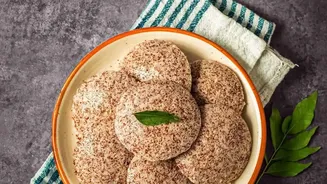
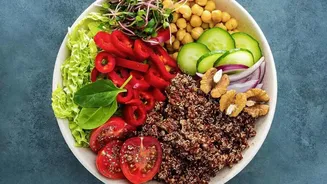
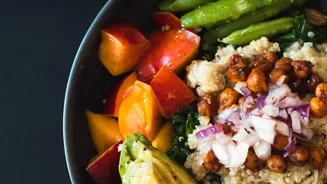
Both grains are gluten-free and can be adapted to Indian cooking, but ragi often integrates more seamlessly into traditional recipes. Ragi flour is a staple in many parts of India, used to make rotis, dosas, idlis, and porridge (ragi malt). Its earthy flavour is familiar and pairs well with both sweet and savoury dishes. Quinoa has a mild, nutty taste and a texture that some find unfamiliar. However, it is highly versatile and can be used as a substitute for rice in dishes like pulao, khichdi, and upma. It also works well in salads and as a base for bowls. While it might require a slight adjustment for the Indian palate, many creative recipes now incorporate quinoa beautifully.
The Final Verdict: Which is Better?
Ultimately, there is no single 'winner' in the ragi versus quinoa debate. The better choice depends entirely on your personal health goals, budget, and priorities. If your primary goal is to increase your intake of complete protein for muscle building, quinoa is the superior option. If you are focused on improving bone density with calcium, managing your budget, and supporting local agriculture, ragi is the clear champion. For managing diabetes or weight, both grains are equally effective due to their low GI and high fibre content. Many find that a balanced approach works best: using affordable, calcium-rich ragi for daily meals and incorporating protein-heavy quinoa a few times a week.