





Meet Our Solar System's Force Field
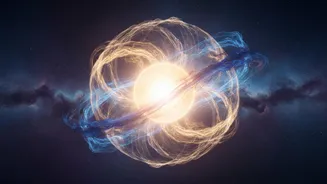
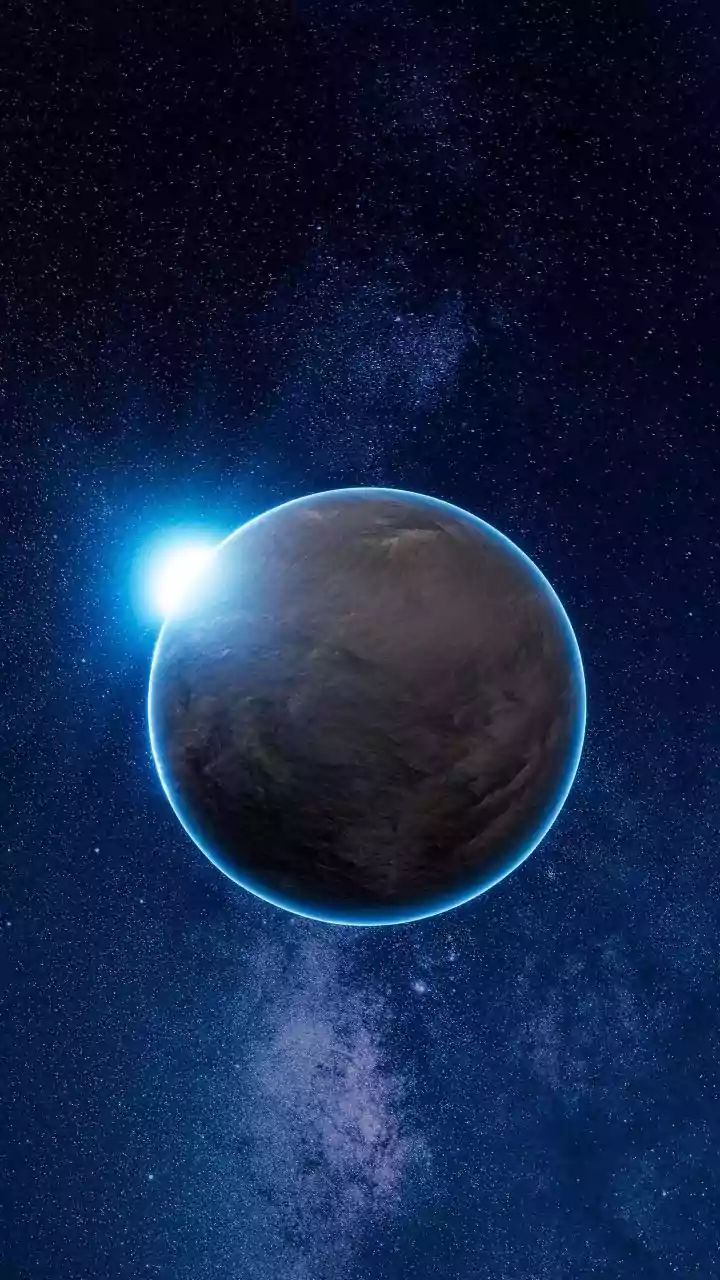
Imagine the entire solar system is traveling through the galaxy inside a giant, invisible bubble. That bubble is the heliosphere, and it's our primary shield against the harsh environment of deep space. It's created by the Sun, which doesn't just radiate
light and heat, but also constantly spews a stream of charged particles called the solar wind. This wind travels outwards at immense speeds, pushing back against the gas and dust that fills the space between stars, known as the interstellar medium. The heliosphere is the region where the Sun's influence wins out over the galaxy's. Without this protective shield, Earth would be bombarded by far more high-energy galactic cosmic rays, which can damage technology and potentially harm life.
The IMAP Mission: A Celestial Cartographer
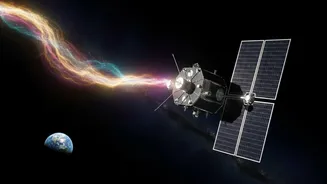
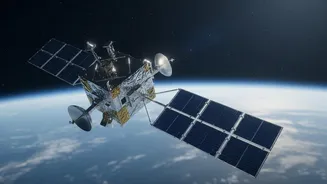
This is where NASA's Interstellar Mapping and Acceleration Probe (IMAP) comes in. Launched in late 2025, IMAP is on a mission to map this vast, complex boundary in unprecedented detail. Think of it as a celestial cartographer, charting the frontier where our solar neighborhood meets the rest of the galaxy. Positioned about 1.5 million kilometers from Earth towards the Sun, IMAP uses ten sophisticated instruments to sample the particles that arrive from the solar wind and those that manage to get through from interstellar space. On August 7, 2026, NASA made the first datasets from seven of these instruments public, inviting scientists and the public to dive into the initial findings.
The Core Scientific Question
The central question driving the IMAP mission is how our heliosphere interacts with the galaxy and how this process shapes our cosmic environment. Scientists want to understand the precise nature of the boundary where the solar wind collides with the interstellar medium. This interaction isn't a simple wall; it's a dynamic, multi-layered region with features like the 'termination shock', where the solar wind slows down, and the 'heliopause', the bubble's ultimate edge. IMAP will help create the first comprehensive global map of this entire structure. It also aims to solve a related mystery: how some particles get accelerated to incredibly high energies within the heliosphere, creating a form of local cosmic rays that pose a risk to astronauts and technology.
Why This Data Matters for Us
Understanding the heliosphere isn't just an academic exercise. The constant stream of particles from the Sun and the galaxy creates what we call 'space weather'. This can affect everything from satellites in orbit and power grids on the ground to the safety of astronauts on missions to the Moon and Mars. IMAP's data provides a crucial new stream of information for forecasting space weather. Because of its unique location, the mission can provide about a 30-minute advance warning of incoming solar particle events. This real-time data stream, called I-ALiRT, is a significant upgrade for space weather forecasters, helping to protect our increasingly space-dependent civilization.