






What is the Intelligent Traffic Management System?
The Intelligent Traffic Management System, or ITMS, is a comprehensive, AI-driven project designed to modernise Delhi's traffic control. Approved by the Cabinet Committee on Economic Affairs at an estimated cost of ₹1,789.52 crore, it aims to replace
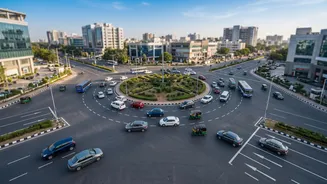
static, fixed-time traffic signals and manual police intervention with a dynamic, city-wide network that optimises vehicle flow in real time. Implemented by the Delhi Police, the project will roll out over 24 months in three phases across 42 of the city's most critical traffic corridors. The core idea is to make better use of the existing road network, which has struggled to keep up with the city's approximately 71 lakh active vehicles.
How 'Smart' Signals Will Change Your Commute
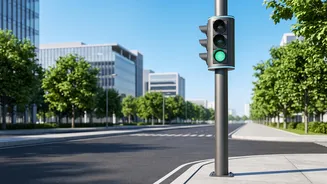
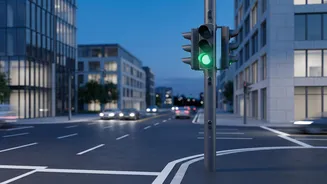
The most significant change for drivers will be the introduction of Adaptive Traffic Control Systems (ATCS) at 1,092 locations. Unlike current signals that operate on fixed timers, these new AI-enabled signals will use roadside sensors and cameras to collect live data on traffic density, vehicle speed, and queue length. Algorithms will then analyze this information to automatically adjust signal timings. This means if your side of the road is heavily congested while the crossing road is empty, the system will adapt, potentially giving you a longer green light. By coordinating signals along entire corridors, the system aims to create "green waves," reducing unnecessary stops and delays.
The Central Command: The Brains of the Operation
At the heart of the ITMS are new Traffic Command and Control Centres. These centres will act as the central nervous system for the entire network, bringing traffic regulation, enforcement, and information dissemination onto a single platform. All the real-time data from the roadside cameras and sensors will flow into these hubs, allowing officials to monitor the city's traffic at a macro level. This integrated view enables quicker responses to accidents, breakdowns, or sudden congestion by allowing for rapid diversions and public alerts. The system is supported by secure data centres and a disaster recovery facility to ensure it runs reliably.
More Than Just Managing Flow
Beyond easing congestion, the ITMS has two other major functions: improving emergency response and enhancing enforcement. The system is designed to facilitate "green corridors" for ambulances and other emergency vehicles, using GPS and traffic data to clear a path through congested areas. This could significantly reduce emergency response times. For rule-breakers, the system will strengthen automated enforcement at 1,029 locations. AI-powered cameras will detect a range of violations, including red-light jumping, speeding, wrong-way driving, and the use of mobile phones while driving. The system will also help identify stolen or blacklisted vehicles by cross-referencing number plates with the VAHAN database.
What It Means for Delhi's Commuters
For the average resident, the ITMS promises a smoother, more predictable journey. Information on traffic conditions, diversions, and even parking availability will be shared in real time through Variable Message Signs on the roads and digital platforms. This information may also be shared with navigation service providers, allowing you to make smarter route choices based on live conditions. While the full list of the 42 corridors has not been made public, the first phase is expected to cover major arteries like Ring Road and Outer Ring Road. The implementation will be performance-driven, meaning each phase will be evaluated before the next one begins, ensuring the system delivers on its promise to untangle Delhi's traffic.