


A Tiny Seed with Big Benefits
Often called 'pepitas', pumpkin seeds are far more than just a seasonal garnish. They are packed with essential nutrients that can support overall health. A single one-ounce serving is a fantastic source of plant-based protein, offering about seven grams.
They are also one of the best natural sources of magnesium, a mineral crucial for nerve function, energy production, and blood sugar regulation. Furthermore, these small seeds are rich in zinc for immune support, heart-healthy unsaturated fats, and antioxidants like Vitamin E that help reduce inflammation. Adding them to your baking is a seamless way to incorporate these benefits into a diet.
Toasted or Raw? Prepping for Flavour
You can use pumpkin seeds in baking either raw or toasted, but toasting them unlocks a deeper, nuttier flavour and a more satisfying crunch. To toast your own, simply spread raw, shelled seeds on a baking sheet. You can toss them with a little oil if you like, but it isn't strictly necessary. Roast them in an oven preheated to around 175°C (350°F) for 10-20 minutes. Keep a close eye on them and stir occasionally; they're ready when they become fragrant and turn a light golden brown. Once toasted, let them cool completely before adding them to batters or doughs to prevent them from steaming or affecting the texture of your bake.
Simple Ways to Incorporate Seeds
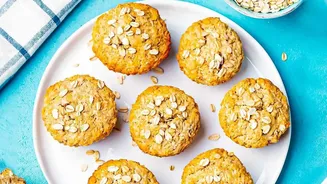
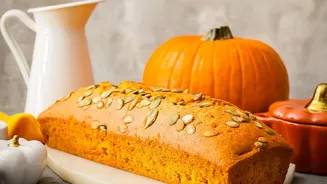
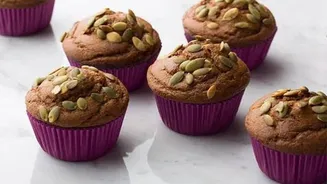
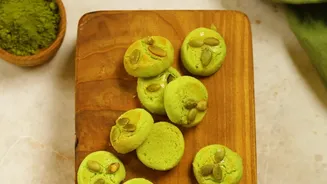
The easiest way to start is by using whole pumpkin seeds. They can be folded directly into the batter of muffins, quick breads like banana or pumpkin bread, and cookies. This method adds a pleasant textural contrast to the final product. Another popular technique is to use them as a topping. Generously sprinkle a layer of raw or toasted seeds over loaves, rolls, or muffins before they go into the oven. This not only adds visual appeal but also creates a crunchy, flavourful crust as they bake. They are a wonderful addition to homemade granola and energy bars, providing both substance and nutrition.
Thinking Beyond the Whole Seed
For a more integrated approach, consider pumpkin seed flour. You can make it yourself by grinding raw, shelled pumpkin seeds in a coffee grinder or a high-powered blender until they form a fine powder. Because pumpkin seeds are higher in fat than traditional flours, you can't always do a 1:1 substitution. A good starting point is to replace about a third of the regular flour in a recipe with pumpkin seed flour. This adds a rich, earthy flavour and a significant protein boost. It works particularly well in denser baked goods like brownies, certain cakes, and even some gluten-free bread recipes, where its moisture content can be a benefit.
Perfect Flavour Pairings
Pumpkin seeds have a versatile, mildly nutty flavour that pairs well with a wide range of ingredients. They are a natural fit for warm spices like cinnamon, nutmeg, and ginger, making them perfect for autumn and winter baking. Their flavour also complements both dark and milk chocolate beautifully. For a sweet and savoury contrast, try combining them with dried fruits such as cranberries, apricots, or raisins in your cookies and granola. On the savoury side, they work wonderfully with herbs like rosemary and thyme in bread and crackers.