







The Government's Green-Fuel Dream
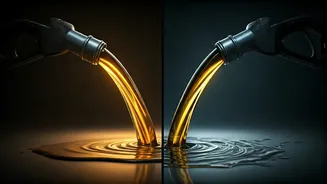
On paper, the logic is compelling. India imports nearly 90% of its crude oil, making it vulnerable to volatile global prices. Promoting fuels like E85 (a blend of 85% ethanol and 15% petrol) reduces this dependency, saves valuable foreign exchange, and lowers
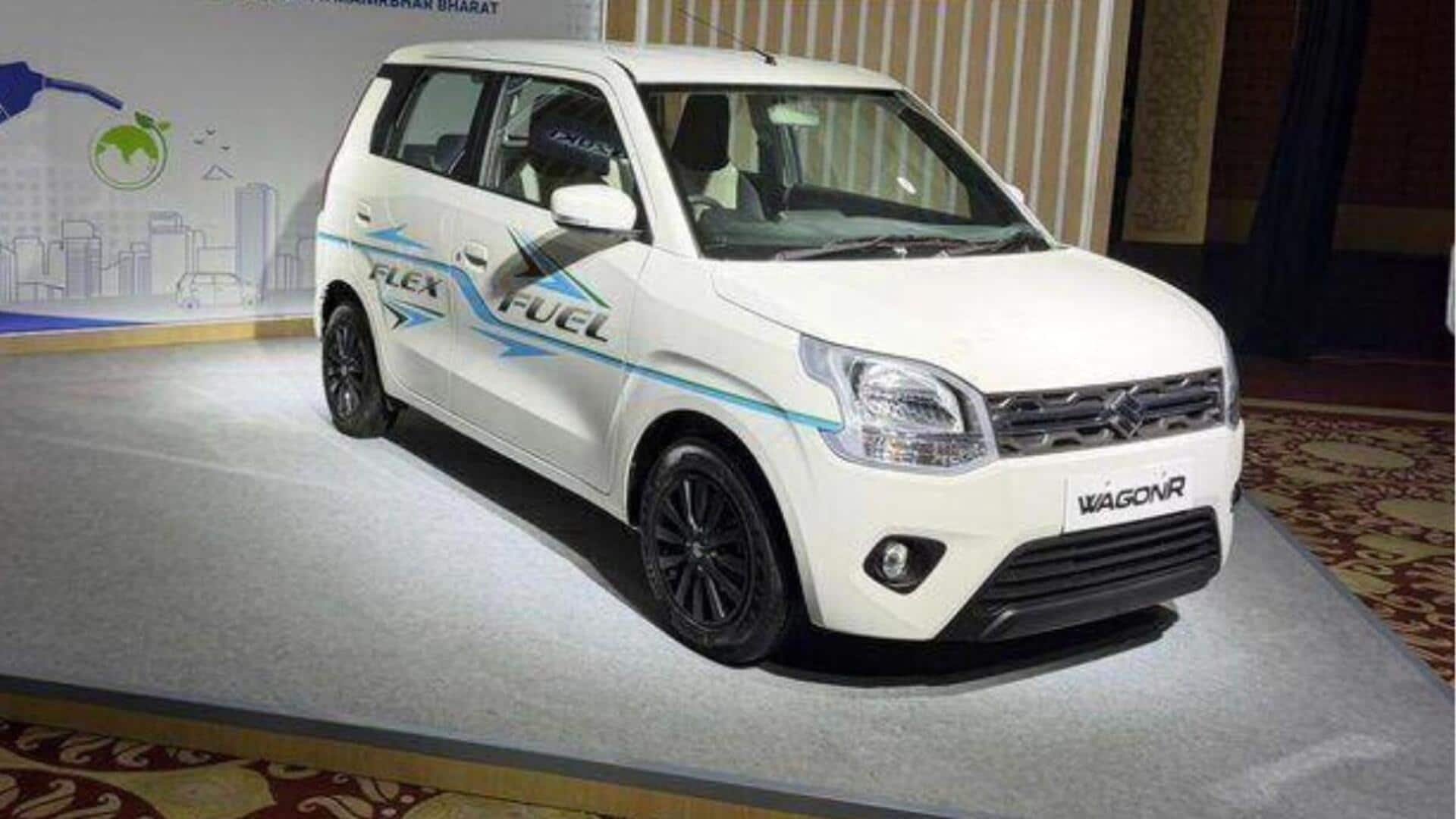
carbon emissions. Ethanol, produced from agricultural sources like sugarcane, also promises to boost rural incomes. Following the successful nationwide rollout of E20 fuel (20% ethanol), the government has begun introducing E85 at select outlets, viewing it as the next logical step in India's green transition. Automakers like Maruti Suzuki and Hero MotoCorp have even launched their first flex-fuel models to support this vision.
The Chicken-and-Egg Problem of Fuel Availability
The single biggest hurdle for potential buyers is a classic chicken-and-egg scenario. Why buy a flex-fuel car if you can't find the fuel for it? As of mid-2026, E85 fuel is available at only a handful of pumps, primarily in Delhi and parts of Maharashtra. While the government has announced plans to expand the network to 500 stations by the end of 2026 and 5,000 by 2027, this infrastructure is not yet a reality for the average driver. Consumers are understandably hesitant to invest in a technology they can't easily use, forcing them to run their expensive flex-fuel vehicles on standard E20 petrol, which defeats the purpose. This lack of a widespread, reliable fuel network remains the most significant barrier to adoption.
The Consumer's Cold Hard Calculation
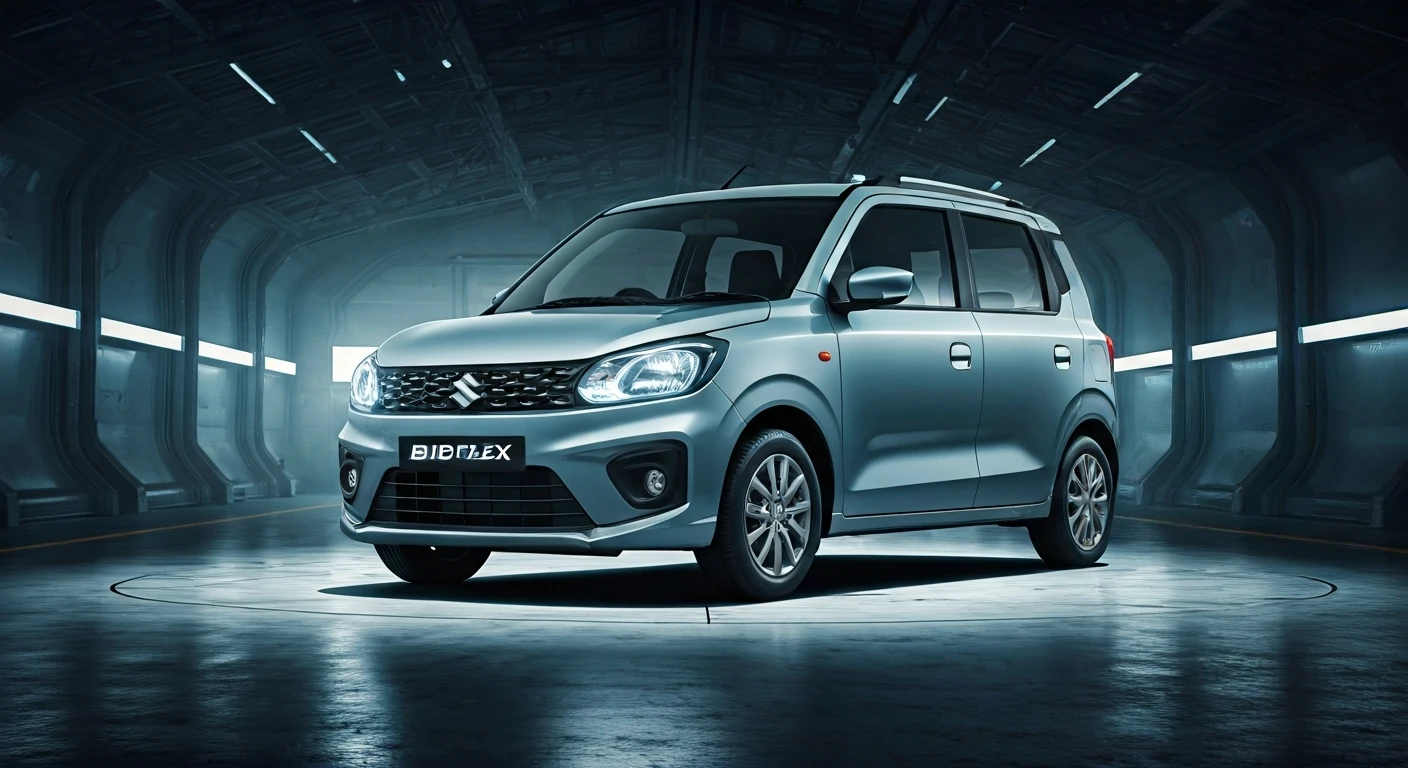
Even where E85 is available, the economics are not straightforward. First, there's the higher upfront cost. A flex-fuel vehicle requires modified engine components and fuel systems, making it more expensive than its petrol-only counterpart. For example, the Maruti Suzuki WagonR Flex Fuel costs about Rs 86,000 more than the standard version. Second, there's the question of running costs. While E85 is priced about Rs 20 per litre cheaper than petrol, ethanol has a lower energy density. This means vehicles running on E85 deliver significantly lower mileage—often a drop of 25-40%. Recent tests have shown that despite the cheaper fuel price, the actual cost per kilometre can be higher for E85 compared to E20 petrol, wiping out the perceived savings.
Abysmal Sales and a Hesitant Industry
The market's response has been frosty. Recent reports highlight just how dire the situation is, with Maruti Suzuki having sold only three units of its WagonR Bio-Flex since its launch. Other models, like Suzuki's Gixxer SF250 FFV, have failed to sell a single unit this year. This has led automakers to tread cautiously. While they have the engineering capability, they are unwilling to make large-scale investments without clear consumer demand. The negligible sales figures suggest that Indian buyers are currently favouring more proven technologies like CNG and strong hybrids over the unproven ecosystem of flex-fuel. Until the math works out for the consumer, manufacturers will likely remain hesitant to go all-in.
Is E20 the Real Game for Now?
While the ambitious E85 project struggles, it's important not to confuse it with the broader ethanol blending program. The transition to E20 petrol is already a nationwide reality, with all new vehicles being compliant. This initiative delivers immediate benefits at scale without requiring special vehicles or a separate fuelling infrastructure. Many experts believe that for the time being, E20 should remain the national priority. The dream of a flex-fuel future, similar to Brazil's, is a long-term goal. For now, the struggle of E85 vehicles shows that a policy push alone is not enough to create a market. It needs to be supported by robust infrastructure and a clear value proposition for the price-sensitive Indian consumer.