



Jowar (Sorghum): The Versatile Staple
Jowar, or sorghum, is a gluten-free grain that has been a dietary cornerstone in western and central India for centuries. Its mild, slightly earthy flavour makes it incredibly versatile. The easiest way to start is with your daily rotis. You can begin
by mixing jowar flour with your regular whole wheat atta, perhaps in a 1:3 ratio, and gradually increase the proportion as you get used to the texture. The dough can be kneaded with warm water to make it more pliable. Beyond rotis, jowar flour can be used to make savoury pancakes or chilas. You can also use whole jowar grains, once boiled, as a hearty addition to salads or as a base for a comforting khichdi, replacing rice for a high-fibre alternative.
Bajra (Pearl Millet): The Winter Warmer
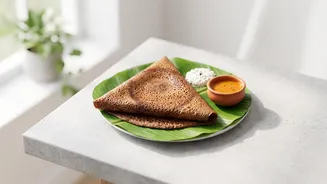
Bajra, or pearl millet, is particularly popular in the states of Rajasthan and Gujarat and is prized for its warming properties, making it ideal for winter meals. Like jowar, its flour is most commonly used to make bhakri or rotis, which have a distinctive nutty taste. These flatbreads pair beautifully with robust dals and vegetable curries. To make the dough easier to handle, using hot water is a helpful trick. For a simple one-pot meal, try making a traditional Bajra Khichdi by pressure cooking soaked pearl millet with moong dal and light spices for a nourishing and satisfying dinner. You can even create an instant bajra dosa by making a thin batter with bajra flour, water, and spices like cumin, then pouring it onto a hot tawa.
Ragi (Finger Millet): The Nutrient Powerhouse
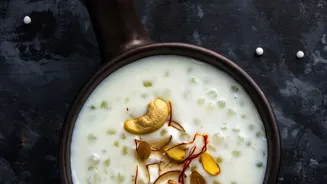
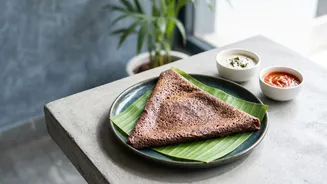
Known for its incredible nutritional profile, ragi is famously rich in calcium and iron. This deep-red grain from South India lends a unique, malty flavour to dishes. One of the most popular ways to use it is by making ragi idlis or dosas. You can substitute a portion of your regular rice and dal batter with ragi flour, or even soak ragi grains themselves. The result is a soft, nutritious breakfast item that pairs perfectly with your favourite chutneys. For a sweet treat, ragi flour can be used to make ladoos or a healthy kheer. Another simple application is a quick porridge; just mix ragi flour into a paste with water and cook it on the stovetop until it thickens.
Foxtail and Other Millets: The Rice Replacers
Foxtail millet, along with other small millets like barnyard and little millet, are fantastic substitutes for rice in a variety of dishes. They cook relatively quickly and yield a light, fluffy texture. Use cooked foxtail millet to make a delicious lemon 'rice' or a flavourful vegetable pulao. Simply temper spices in ghee or oil, sauté vegetables, and then add the soaked millet and water, cooking until tender. Little millet is an excellent choice for upma; just prepare your usual tempering of mustard seeds, curry leaves, and onions, then add the soaked millet and cook until done. These millets absorb flavours beautifully, making them a seamless and healthy swap in dishes where you would typically use rice.
Amaranth and Buckwheat: The Fasting Favourites
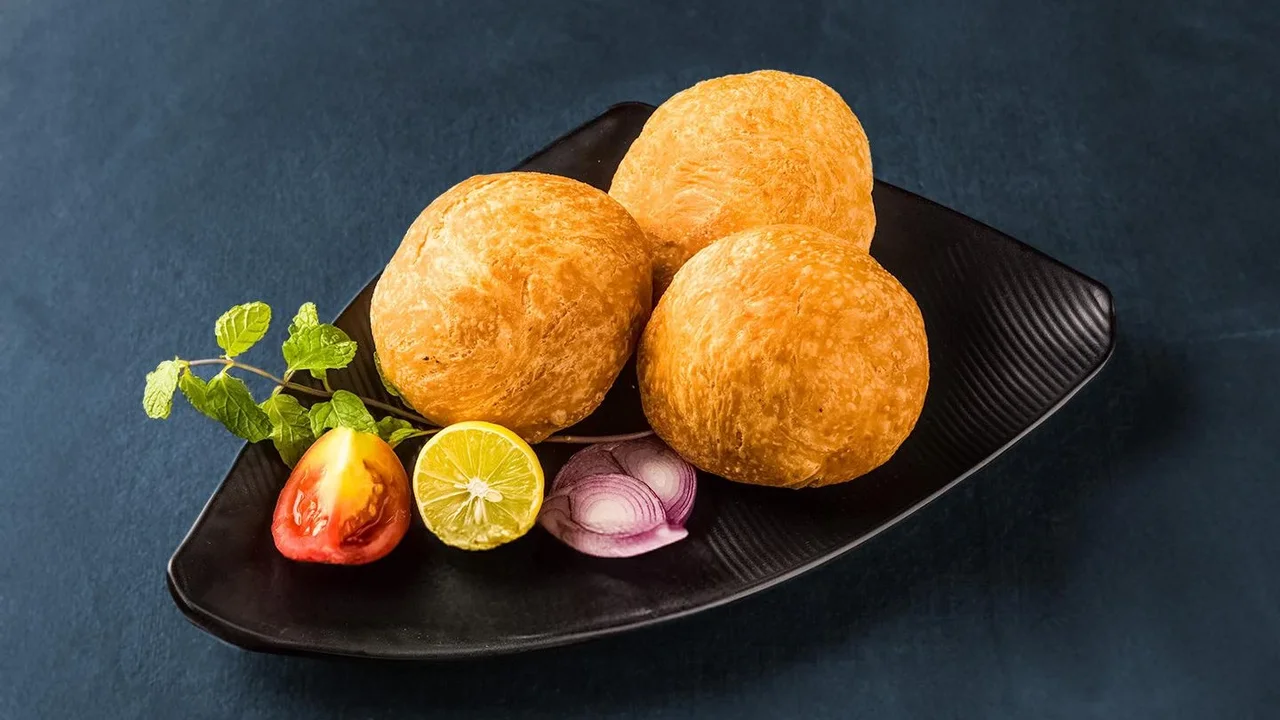
Often referred to as 'pseudo-grains', amaranth (rajgira) and buckwheat (kuttu) are staples during fasting periods like Navratri, but their nutritional benefits make them worthy of year-round use. Both are gluten-free and packed with protein. Their flours can be combined to make flavourful and slightly dense pooris or parathas; adding mashed potato to the dough helps with binding. You can also make savoury pancakes (chilas) by creating a batter with either flour, water, and spices. These grains offer a nutty, earthy taste that provides a welcome break from wheat and rice, introducing a new depth of flavour to your flatbreads and snacks.