






The Official Figures
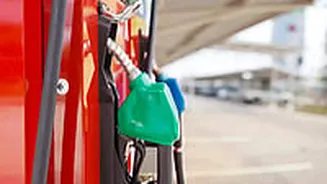
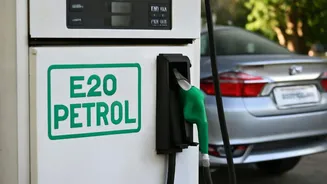
In a written reply in the Lok Sabha, Union Minister for Road Transport and Highways, Nitin Gadkari, acknowledged the impact of E20 petrol—a blend of 20% ethanol and 80% petrol—on vehicle fuel efficiency. According to a joint study by the Automotive Research
Association of India (ARAI), the Society of Indian Automobile Manufacturers (SIAM), and Indian Oil Corporation Ltd (IOCL), the fuel efficiency of vehicles can be reduced by 2% to 6%. This variation depends on the vehicle's category, age, and its original design, particularly whether it was built for E10 or E20 fuel. The government has stressed that despite this drop, extensive testing has shown no significant engine failures or durability issues related to E20 use.
Why Does Mileage Drop?
The science behind the mileage drop is straightforward: ethanol has a lower energy density than petrol. This means that a litre of ethanol contains less energy than a litre of pure petrol. Consequently, when petrol is blended with ethanol, the overall energy content of the fuel decreases. Your vehicle's engine then needs to burn slightly more of this blended fuel to produce the same amount of power, resulting in lower mileage. While the drop is now officially quantified, the government and manufacturers highlight that E20 has other benefits, such as a higher octane rating, which can lead to smoother acceleration and better overall performance.
Is Your Vehicle E20 Compatible?
This is a crucial question for every vehicle owner. All new cars and two-wheelers sold in India since April 2023 are required to be fully E20-compliant. For vehicles manufactured before this date, the situation is more nuanced. While the government and automobile manufacturers have stated that even older vehicles can run on E20 without causing major damage, some effects are possible. The government has acknowledged that in some older vehicles, particularly BS-III models made before 2016, certain rubber and plastic components like hoses and seals might wear out faster. However, they maintain that there is no verified evidence of widespread engine failures linked to ethanol blending based on service data from millions of vehicles.
The Bigger Picture: Balancing Pros and Cons
The push for E20 is driven by significant national interests. By increasing the ethanol blend, India aims to reduce its massive crude oil import bill, which strengthens energy security and saves valuable foreign exchange. The policy also provides a major boost to the rural economy by creating a stable market for sugarcane, maize, and other agricultural produce used for ethanol production, thereby increasing farmers' incomes. Environmentally, ethanol burns cleaner than petrol, leading to a reduction in harmful emissions like carbon monoxide and hydrocarbons. The government suggests that while consumers may see a minor drop in mileage, it is a trade-off for these larger economic and environmental benefits, alongside performance gains like better acceleration.