




The Pride and the Problem
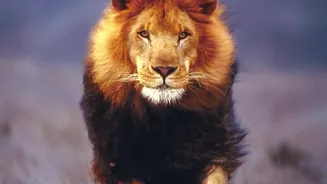
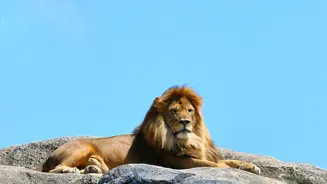
India's conservation efforts for the Asiatic lion are a global success story. From a perilously small population a century ago, their numbers have grown to nearly 900, according to a 2025 census. This success, however, created a unique and dangerous problem:
all the world's wild Asiatic lions were concentrated in and around Gujarat's Gir National Park. Conservation scientists have long warned that keeping a whole species in one basket is a risky strategy. A single disease outbreak, like the canine distemper virus that killed dozens of lions in 2018, or a major natural disaster could be catastrophic for the entire population. This vulnerability has made the search for a second, geographically separate home a national conservation priority for decades.
A Homecoming After 144 Years
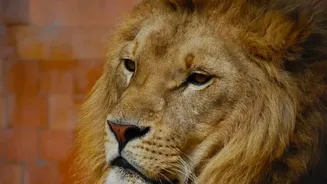
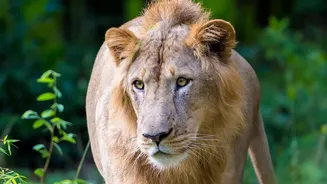
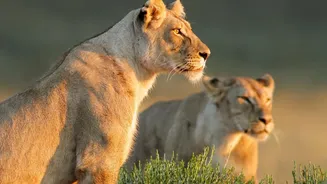
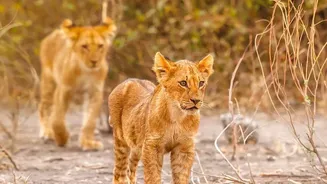
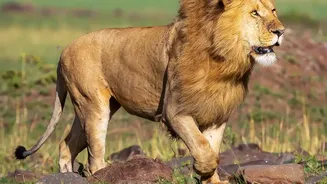
The Barda Wildlife Sanctuary, located about 100 kilometres from Gir, has emerged as that long-awaited second home. The sanctuary is a rugged landscape of forests and grasslands in Gujarat's Saurashtra region. Lions historically roamed this area, but the last official record was in 1879. The story of their return began in January 2023, when a male lion naturally dispersed from the Gir landscape and entered Barda on its own. Following this natural migration, the Gujarat Forest Department augmented the budding population by introducing five females. As of 2025, a small but growing pride of 17 lions, including 11 cubs, now calls Barda home.
The Science Behind the Sanctuary
A recent study published in the scientific journal 'PLOS One' provides the evidence that Barda is more than just a temporary shelter. Titled 'Beyond Gir: Barda Wildlife Sanctuary as a Potential Stronghold for Asiatic Lions', the research confirms the sanctuary's long-term viability. Researchers from the Gujarat Forest Department and Banda University of Agriculture and Technology radio-collared six lions to track their movements, habitat use, and social behaviour between January 2023 and July 2025. The study found the lions were establishing clear home ranges, with an average of around 70 square kilometres, and preferring the mixed forests and grasslands. Critically, their diet consisted mainly of wild prey, especially wild pigs, supplemented by some domestic cattle. This shows the sanctuary has the resources to sustain them.
Building a Resilient Future
The establishment of a population in Barda is a key part of 'Project Lion', a government initiative focused on the long-term conservation of the species. While the study confirms Barda's suitability, work is ongoing to make it even more robust. Efforts are underway to increase the wild prey base by reintroducing species like spotted deer and sambar. This will help support a larger lion population and reduce potential human-wildlife conflict. While some experts have noted that Barda's proximity to Gir might not offer complete protection from a widespread epidemic, it serves as a vital 'ecological insurance'. It creates a connected, yet separate, metapopulation, which is a modern approach to conservation that reduces extinction risk and improves genetic diversity. The plan, under the 'Lion@2047' vision, is to potentially accommodate up to 40 lions in the Barda landscape, solidifying its role as a crucial second stronghold.