







India’s Elusive River Treasure
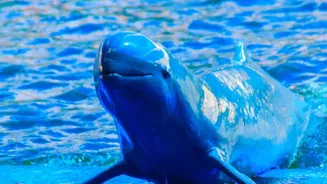
India's national aquatic animal, the Gangetic river dolphin, is a unique creature of myth and science. Found primarily in the Ganges-Brahmaputra-Meghna river systems, this freshwater dolphin is functionally blind, navigating its murky world through a sophisticated
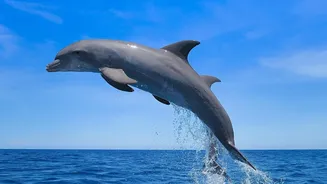
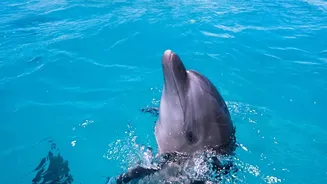
system of echolocation. Unlike their marine cousins, they don't perform dramatic leaps, offering instead a fleeting, graceful glimpse as they break the surface to breathe. This subtlety, combined with their endangered status, makes any sighting a profound and special event for wildlife enthusiasts.
Why River Levels Dictate Your Chances
The single most important factor for a successful sighting is the water level of the river. During the monsoon season (roughly June to September), the rivers swell, becoming wide and deep. This allows the dolphins to disperse over a vast area, making them incredibly difficult to locate. However, as the monsoon recedes and the winter months approach (October to March), the water levels drop significantly. This concentrates the dolphins into the deeper channels and pools of the river. For a boat-based tour, this is the ideal scenario, as both dolphins and their food sources are gathered in more predictable locations, dramatically increasing the probability of a sighting.
The Critical Role of Water Clarity
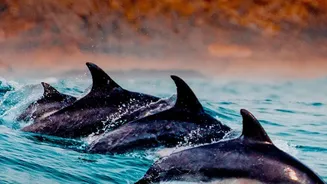
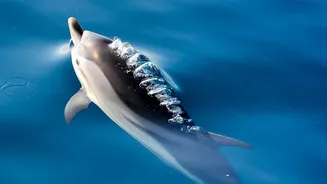
While lower water levels bring the dolphins closer, water visibility determines how well you can see them. Immediately following the monsoon, rivers are often thick with silt and sediment, creating a muddy, opaque surface. As the season progresses into winter, the flow slows and the sediment settles, leading to much clearer water. Gangetic dolphins are known locally as 'soons', and while they are functionally blind, clearer water makes it far easier for observers on a boat to spot their dark bodies as they surface. The calm, clear conditions of a winter morning offer the perfect canvas for spotting the tell-tale arch of a dolphin's back.
The Perfect Window: When to Go
Considering both river levels and visibility, the prime season for dolphin watching in India's rivers is from October to March. This post-monsoon and winter period offers the best combination of factors. The weather is pleasant, water levels are lower and more stable, and water clarity is at its peak. Early mornings during these months are particularly rewarding, as the water is often calmer, and the soft light provides excellent conditions for spotting and photography. Planning your trip within this window transforms it from a game of chance into a well-timed expedition.
Top Spots for River Dolphin Sightings
Several protected areas in India offer excellent opportunities to see these creatures. The Vikramshila Gangetic Dolphin Sanctuary in Bihar, a 60-km stretch of the Ganges, is India's only dedicated sanctuary for the species. Another prime location is the National Chambal Sanctuary, which straddles Rajasthan, Madhya Pradesh, and Uttar Pradesh, and is famous for its clean water and diverse wildlife, including gharials and turtles alongside the dolphins. Parts of the Brahmaputra River in Assam, particularly within Dibru-Saikhowa National Park, also host a population of these fascinating mammals.
Watching with Responsibility
As these dolphins are endangered, ethical tourism is paramount. Responsible tour operators are crucial for their conservation. Guidelines suggest maintaining a safe distance (at least 50-100 metres), approaching animals slowly and from the side, and never chasing or encircling them. Switching off the boat's engine when near a pod can reduce stress on the animals, which rely on sound to navigate and communicate. Choosing an operator who educates tourists and follows these guidelines ensures that your visit contributes positively to the dolphins' survival, helping to protect them for future generations.