






The Myth of Spot Reduction
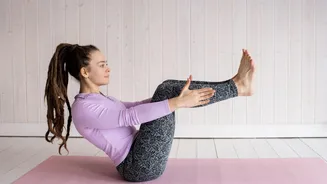
Many of us spend hours doing crunches, hoping to melt away belly fat and reveal toned abs. However, the science is clear: you cannot spot-reduce fat. Doing hundreds of crunches will strengthen your abdominal muscles, but it won't specifically burn the layer
of fat covering them. Rujuta Diwekar points out that a flat stomach is the result of improved overall body composition—less fat and more muscle—not just targeted ab exercises. The obsession with crunches overlooks the most powerful tools we have for changing our body composition: our legs and glutes.
Why Your Legs Are a Metabolic Powerhouse
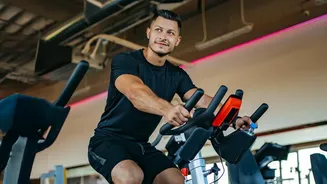
Your lower body contains the largest muscle groups in your entire body, including the glutes, quadriceps, and hamstrings. Working these large muscles requires more energy, which means you burn more calories during and after your workout. This increased metabolic activity is key to reducing overall body fat, including the stubborn fat around the midsection. Strengthening your legs creates a more efficient fat-burning engine. Think of it this way: while crunches are like turning on a small lamp, full-body movements like squats are like turning on the main power for the whole house.
Strong Legs, Stable Core, and Better Posture
Diwekar's philosophy links a strong lower body to a stable core and a flexible back. When your legs are weak, other parts of your body, like your lower back, often have to compensate, leading to poor posture and pain. This can even cause the stomach to protrude, creating the appearance of a larger belly. Exercises like squats and lunges not only build leg strength but also engage your core for stability. This integrated approach improves your posture, makes your movements more efficient, and helps create a naturally flatter and more toned midsection. A strong foundation allows your entire body to function better, reducing aches and improving balance.
Hormonal Harmony and Overall Health
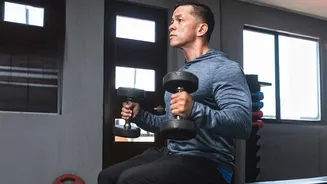
Beyond aesthetics, building lower body strength has profound benefits for your health. Strength training, particularly with large muscle groups, is crucial for maintaining muscle mass as we age. It also plays a significant role in hormonal balance and improving insulin sensitivity. Stronger muscles help the body use glucose more efficiently, which is vital for preventing metabolic conditions. Diwekar emphasizes that focusing on strength, immunity, and bone density leads to sustainable, long-term health, rather than just chasing a temporary 'flat stomach'.
Simple Exercises to Get Started
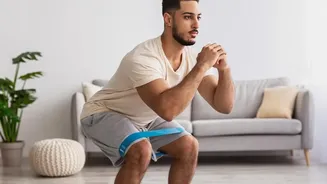
Adopting this approach doesn't require a gym or expensive equipment. Rujuta Diwekar is a proponent of simple, effective exercises that can be done at home. The key is consistency. A fundamental exercise she recommends is the squat. For beginners or those with knee issues, chair squats are an excellent starting point. You simply stand in front of a chair and lower yourself slowly until you tap the seat, then stand back up, ensuring your form is correct. The goal is not to do hundreds of reps, but to perform a few repetitions with good form, consistently. She suggests starting with just five reps and gradually increasing as you get stronger. Other accessible exercises include variations of leg lifts and lunges, which build functional strength for everyday life.