



The Core Principles of Pilates
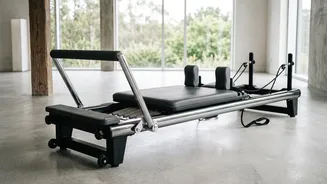
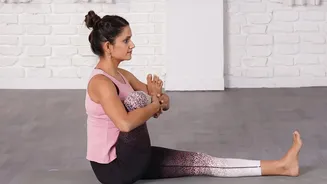
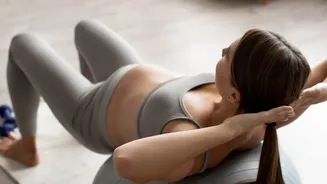
Developed by Joseph Pilates, this method is built on core strength, precision, and control. Pilates exercises, whether on a mat or a reformer machine, are designed to strengthen the deep muscles of your abdomen, back, and pelvis. This focus on a strong,
stable centre allows for the development of dynamic flexibility. Instead of just passively holding a stretch, Pilates asks you to move through a range of motion with muscular control. This process, known as eccentric contraction, lengthens the muscles while they are under load, building a type of flexibility that is both functional and supported by strength. It improves how you move in daily life, from sitting with better posture to enhancing athletic performance.
The Gentle Flow of Tai Chi
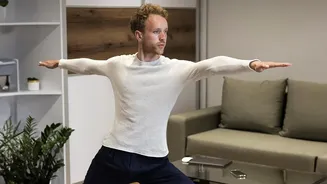
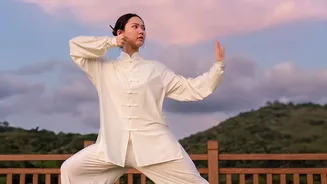
Often described as 'meditation in motion', Tai Chi is an ancient Chinese martial art now practised for its health benefits. It involves a series of slow, continuous, and flowing movements that are coordinated with deep breathing. Unlike the targeted exercises of Pilates, Tai Chi focuses on whole-body coordination, balance, and shifting weight smoothly. This gentle practice improves flexibility by encouraging the joints to move through their full range of motion without force. It excels at reducing stiffness, lubricating joints, and releasing chronic muscle tension, making it an excellent choice for improving overall mobility and easing the aches that come from inactivity.
Flexibility: A Tale of Two Styles
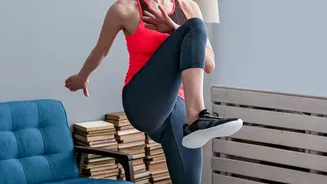
The flexibility you gain from each practice is different. Pilates creates 'active' or 'dynamic' flexibility, which is the ability to use your muscles to move through a full range of motion with power and control. Think of a dancer’s powerful, high kick. This makes Pilates excellent for improving athletic performance and preventing injury by creating a resilient and stable body. Tai Chi, on the other hand, cultivates a more 'passive' and relaxed flexibility. Its gentle, flowing movements are designed to reduce stiffness and improve joint health. Think of a willow tree bending in the wind. This makes Tai Chi ideal for those seeking to improve general mobility, reduce the risk of falls, and gently combat the effects of a sedentary lifestyle.
Beyond the Stretch: Strength and Stability
While both build strength, they do so differently. Pilates is renowned for developing lean muscle and formidable core stability. The controlled repetitions, often against spring resistance on a reformer, sculpt and tone the muscles of the torso, glutes, and thighs. Tai Chi builds strength in a more integrated way. The slow, controlled squats and weight-bearing postures primarily develop lower-body and core strength, but the focus is on coordinating the entire body as a single unit. It is particularly effective at improving balance and proprioception—your sense of where your body is in space.
The Mental Component
Both disciplines are celebrated for their mind-body connection. Pilates demands intense concentration. You must pay close attention to your breath, alignment, and the precise engagement of specific muscles. It’s a workout in physical mindfulness. Tai Chi fosters a more meditative and calming state of mind. The focus is on the continuous, rhythmic flow of the movements and breath, which helps to quiet mental chatter and reduce stress. Many practitioners find the slow, graceful nature of Tai Chi to be profoundly relaxing and restorative.
Which Practice is Right for You?
Choosing between Pilates and Tai Chi depends entirely on your personal goals and physical condition. If your aim is to build core strength, develop long, lean muscles, and gain dynamic flexibility for sport or daily activity, Pilates is an excellent choice. You can start with mat classes using your own body weight or join a studio with reformer equipment. If you are looking for a gentler form of exercise to improve your balance, reduce stress, increase joint mobility, and cultivate a sense of calm, Tai Chi is likely the better fit. It requires no equipment and can be adapted for all fitness levels, including those with joint issues or mobility concerns.