




From Greasy Hands to Gleaming Showrooms
The bobber story begins not in a design studio, but in the dirt and on the racetrack. After World War II, returning soldiers started stripping down their heavy American motorcycles, mimicking the lighter, more agile European bikes they’d seen. They performed
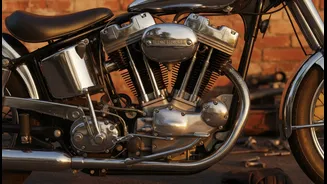
a “bob-job”: chopping the fenders, removing the front fender entirely, and ditching any part that didn't contribute to speed and performance. This wasn't about aesthetics at first; it was a raw, functional pursuit of making a heavy bike lighter and faster. It was a culture of subtraction, of making a machine your own through skilled hands and a clear vision. This DIY spirit defined motorcycle customization for decades, creating a clear line between a stock bike and a true, one-of-a-kind custom.
The New Guard of Factory Customs
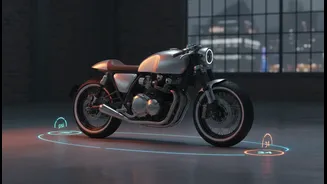
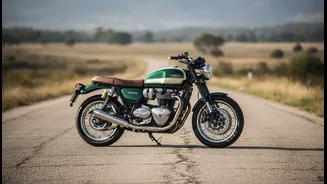
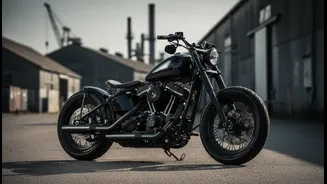
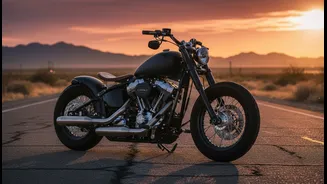
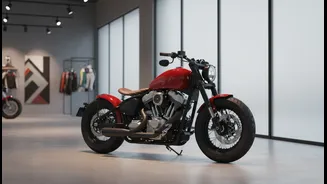
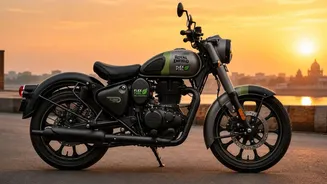
Flash forward to today, and that rebellious spirit is being bottled and sold. Brands like Harley-Davidson, Indian, Triumph, and even India's own Jawa are offering 'factory customs' that deliver the bobber aesthetic straight from the production line. Models like the Indian Scout Bobber, Triumph Bonneville Bobber, and Harley-Davidson Street Bob are hugely popular, offering the low-slung, solo-seat, blacked-out look without any of the wrenching. For the Indian market, the Jawa Perak and Jawa 42 Bobber have made this style accessible, providing a head-turning bobber experience at a fraction of the cost of their international counterparts. These bikes feature modern engineering, liquid-cooled engines, and safety features like ABS, all wrapped in a package that looks like it rolled out of a custom shop.
The Appeal: Instant Attitude with a Warranty
The allure of a factory bobber is undeniable. You get the aggressive, minimalist look without the risk, time, and expense of a custom build. There's no need to source parts, no greasy weekends spent battling a stubborn bolt, and no worries about whether your modifications are road-legal. These bikes come with a warranty, reliable performance, and modern features that the original bobber builders could only dream of. Models like the Triumph Bobber are praised for handling better than their custom ancestors ever could, while the Indian Scout Bobber offers thrilling power in a manageable package. It's the perfect solution for riders who love the aesthetic but want the plug-and-play convenience of a new motorcycle.
Is Authenticity Lost in Mass Production?
However, this trend raises a fundamental question: does a 'factory custom' dilute the very culture it mimics? The soul of the original bob-job was its individuality and the story behind the modifications. Each scratch and imperfect weld told a story of the owner's vision and effort. When you can buy that same look off the shelf, does it lose its meaning? Purists argue that it does, turning a subculture built on authenticity and rebellion into a mere styling exercise. While a factory bobber like the Jawa Perak offers incredible style for the price, its ride quality and ergonomics can be a compromise dictated by its form-over-function design, a reminder that achieving the 'look' sometimes comes at a practical cost. The very act of personalization, once the core of the bobber identity, is now an optional add-on from a manufacturer's accessory catalogue.