



The Current Situation: A Localised Disaster
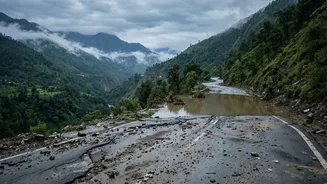
On August 26, 2026, a catastrophic flash flood occurred after a glacial collapse on the Nepal-Tibet border. This event sent a wall of water and debris down the Bhote Koshi and Trishuli river corridors, causing extensive damage in specific northern districts,
primarily Rasuwa, Nuwakot, and Dhading. It is crucial to understand that this was not a nationwide monsoon flood. While the human toll has been heavy and search and rescue operations are ongoing, the majority of Nepal's popular tourist destinations were entirely untouched by the event.
Mapping the Impact: Which Areas Are Affected?
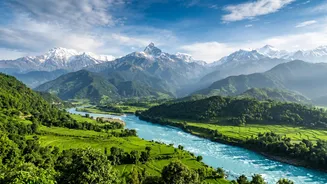
The primary disaster zone is concentrated in the Rasuwa district, which includes the main road access to the Langtang Valley trekking region and the Rasuwagadhi border crossing with Tibet. This corridor is closed to all travel. However, most of the country, including major hubs, remains fully operational. Kathmandu Valley, with its UNESCO World Heritage sites, is completely unaffected. Pokhara, the gateway to the Annapurnas, is also safe, as are Chitwan and Lumbini. The key overland routes connecting Kathmandu to Pokhara and Chitwan are open and running normally.
Trekking in September: What’s Open?
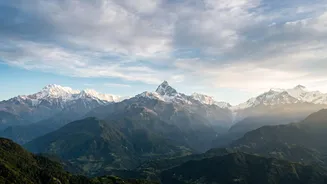
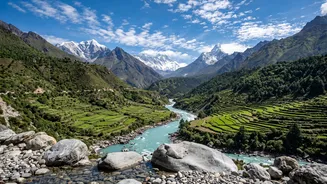
For many visitors, Nepal means trekking. The good news is that most major trekking regions are safe and fully accessible. The Everest region, including the route to Base Camp and Lukla flights, is operating as usual. Likewise, the Annapurna region, including the Annapurna Circuit, Annapurna Base Camp, and Poon Hill treks, is not affected. The Manaslu Circuit is also considered safe, though the approach road has a confirmed detour. The only major trekking area directly impacted is Langtang, due to the destruction of its primary access road. Authorities advise postponing travel to the Langtang region until conditions improve and access is restored.
Should You Cancel or Postpone Your Trip?
For the vast majority of planned trips, the answer is no. Unless your itinerary was focused specifically on the Langtang Valley or an overland crossing to Tibet via Rasuwagadhi, your plans likely do not need to change. The Nepal Tourism Board and local trekking agencies have emphasised that the country remains open and ready to welcome visitors. Cancelling a trip unnecessarily can harm the local economy, which is heavily dependent on tourism and is reeling from the disaster's impact in the affected areas. The most sensible approach is to confirm your specific itinerary with your tour operator or agent.
Safety Tips for September Travellers
September is the tail-end of the monsoon season, so some general precautions are always wise. Even in unaffected areas, heavy rains can cause temporary trail issues or slick roads. If you are proceeding with your trip, keep these tips in mind: stay informed by checking local weather and road conditions before any overland journey. Build some flexibility into your schedule for potential delays. Always trek with a registered guide or company, and ensure you have comprehensive travel insurance that covers medical emergencies and evacuation. Finally, follow the advice of local authorities; they have the most current information.