








Why Your Brain Gets Bored
The first few weeks of a new workout plan are often the most challenging. You're building a new habit, which requires conscious effort and willpower. When a routine becomes predictable and monotonous, your brain can lose interest. This is because our brains
are wired to seek novelty and reward. The initial dopamine hit from starting something new eventually fades, and without a strong reward system in place, the motivation to continue can plummet. Repetitive exercise patterns, without variation, can lead to burnout and make it easy to quit before the habit is truly formed. The key to overcoming this is to create a positive feedback loop where the activity itself is enjoyable, not just the end result.
The Power of Play and People
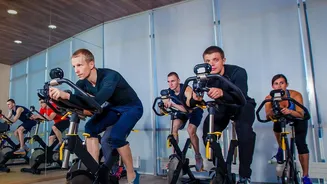
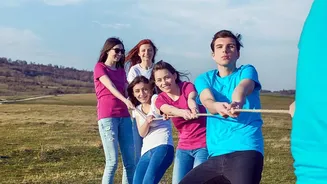
This is where gamification comes in. By adding elements of play, competition, and rules, you transform a standard workout into a game. This shift is powerful because it taps into our brain's natural reward system, making the experience more engaging and fun. When you're focused on scoring a point, beating a timer, or working with a teammate, you're less focused on the burn in your muscles or the number of reps left. But the real magic happens when you add a group dynamic. Group settings introduce social accountability, friendly competition, and a sense of community. Research shows that people who exercise in groups are more likely to stick with their routines and even work harder than they would alone. Knowing your friends are waiting for you is a powerful motivator to show up, even on days when you don't feel like it.
Simple Games to Get You Started
You don't need complicated rules or a lot of equipment. The best games are simple, inclusive, and can be adapted to different fitness levels. The goal is fun and movement, not intense competition. Here are a few ideas: Team Fartlek Run: A 'fartlek' is a run that mixes different paces. In a group, jog in a single file line. The person at the back sprints to the front, and then the next person at the back does the same. Continue this for a set distance or time. Partner Up and Add On: With a partner, the first person does one rep of an exercise (like a squat). The second person does two reps. The first person then does three, and so on. See how high you can go before one of you taps out. Then, switch to a new exercise. Deck of Cards: Assign an exercise to each suit (e.g., hearts = push-ups, diamonds = lunges, clubs = burpees, spades = sit-ups). Flip a card from the top of the deck. The number on the card is the number of reps you do. Face cards can be 10 reps, and Aces can be a 30-second plank.
Making It a Habit
The key to making these games effective is consistency. Schedule a specific time and place for your group game, just as you would any other appointment. It could be a 15-minute game in the park before work or a weekend session with family. By starting small and keeping the focus on fun, you're building a positive association with exercise. This isn't about becoming a world-class athlete overnight; it's about creating a sustainable routine that you genuinely look forward to. The social bonds you form and the enjoyment you get from the game itself become powerful rewards that reinforce the habit, making it easier to stay active in the long run. The friendly competition and shared energy can push you past perceived limits in a way that solo workouts often can't.