



Hibiscus: The Ruby-Red Refresher
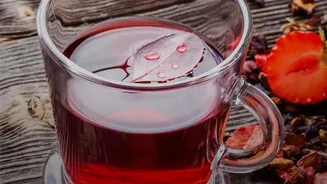
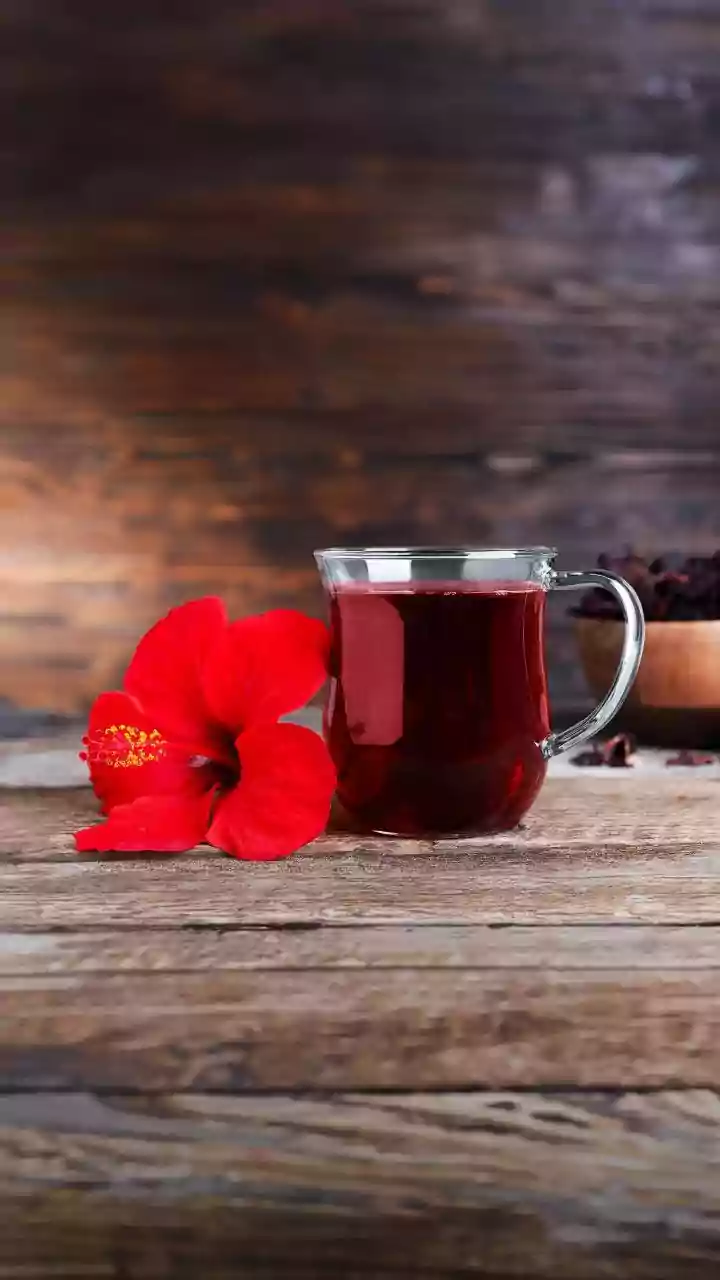
Known as 'Gudhal' in India, hibiscus tea is a vibrant, ruby-red infusion with a tart flavour similar to cranberries. Traditionally considered a cooling herb in systems like Ayurveda, it's a popular choice worldwide for beating the heat. Beyond its refreshing
taste, hibiscus is celebrated for its hydrating properties and is naturally caffeine-free, making it an excellent choice for sipping throughout the day. It helps the body maintain fluid balance and supports the natural cleansing processes of the urinary tract and kidneys. Rich in antioxidants like polyphenols and anthocyanins, this tea not only helps you cool down but also supports overall wellness. Enjoy it poured over ice for a truly revitalising warm-weather beverage.
Peppermint: Nature's Air Conditioner
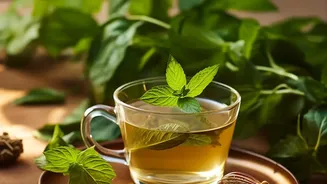
The secret to peppermint's cooling power lies in menthol. This compound cleverly tricks our body's sensory receptors into feeling a cooling sensation, even when the tea is served warm. This internal cooling effect makes peppermint tea a fantastic choice after physical activity or during a sweltering afternoon. It’s a popular digestive aid that helps cool you from the inside out. In many Arab countries, peppermint tea is a staple beverage consumed throughout the day to make high temperatures more bearable. Its crisp, invigorating flavour makes it a refreshing way to hydrate without any caffeine.
Lemongrass: The Zesty Cooler
Lemongrass is a health-friendly herb renowned in many tropical regions for its ability to help regulate body temperature. This fragrant, citrusy tea is not only wonderfully refreshing but also traditionally used to soothe digestion and promote relaxation. Often combined with ginger or mint, lemongrass creates a beautifully balanced brew that can be enjoyed hot or cold. Its calming properties can help relieve stress and fatigue, which are often heightened by intense heat. For an extra-refreshing twist, try preparing a large batch of iced lemongrass tea to keep in the fridge.
Chamomile: The Soothing Hydrator
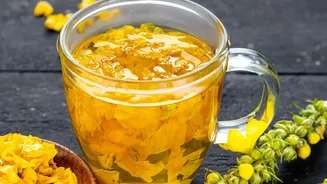
While famous for its calming effects and as a sleep aid, chamomile is also an excellent herb for hydration. It is known for its ability to soothe and hydrate, helping the skin retain moisture and preventing dryness. Its gentle, apple-like flavour makes for a comforting drink that replenishes fluids without the stimulating effects of caffeine. Chamomile possesses anti-inflammatory properties that can help calm the body, making it a wonderful choice for winding down after a long, hot day. Drinking it can be a soothing ritual that supports both your hydration goals and your overall sense of well-being.
Ayurvedic Cooling Blends: Fennel, Coriander, and More
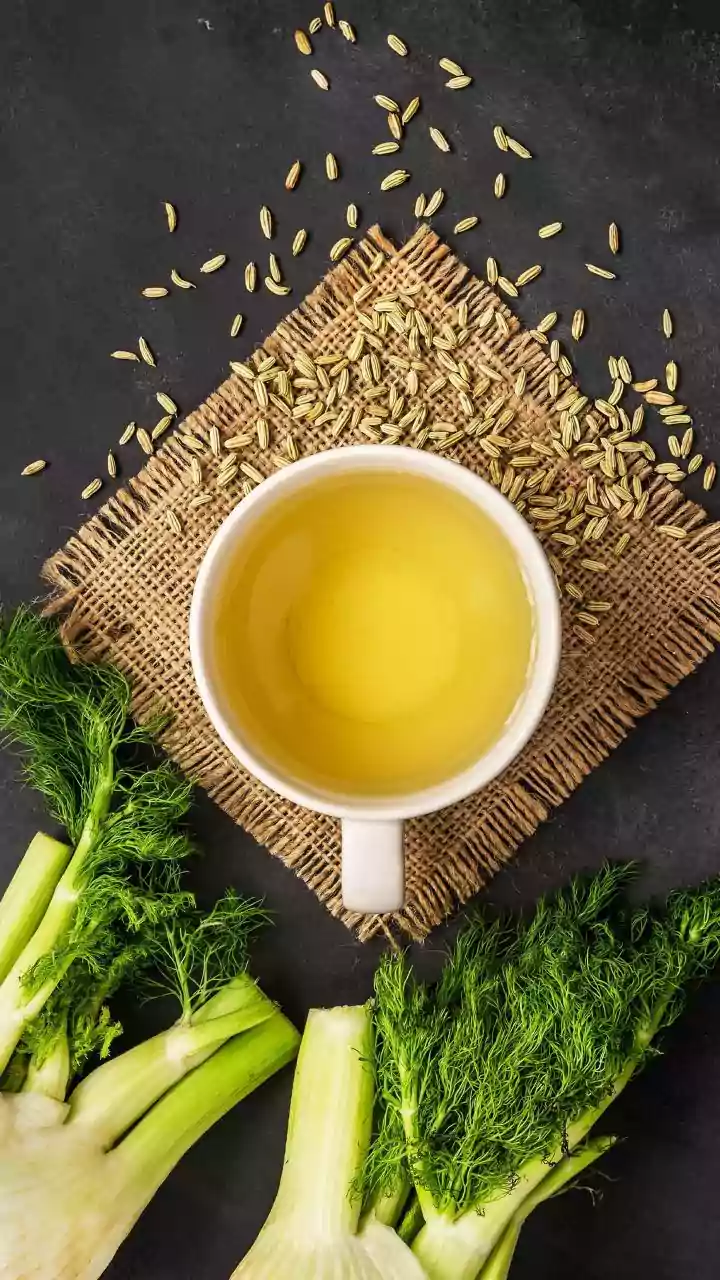
Ayurveda, the traditional Indian system of medicine, classifies certain herbs and spices as having a 'cooling' effect on the body, which is ideal for balancing the 'Pitta' dosha associated with heat. Teas made from fennel, coriander, and cardamom are classic cooling choices used to calm the digestive system without adding heat. A popular combination known as CCF tea (cumin, coriander, and fennel) is used to support digestion during summer when appetites can wane. Spearmint and rose are other powerful cooling herbs often used in Ayurvedic preparations to soothe the system and quiet an overheated mind.
How to Brew for Maximum Cool
While a hot cup of tea can surprisingly help you cool down by promoting sweat, a chilled infusion is often more appealing in the heat. To make a refreshing iced tea, simply brew your chosen herb as you normally would, perhaps making the infusion a bit stronger than usual. Allow it to cool to room temperature before placing it in the refrigerator to chill for at least four hours. You can also try cold brewing, which involves steeping the herbs in cold water in the fridge for several hours. This method results in a smoother, less bitter flavour. Serve over ice with a slice of lemon or a sprig of fresh mint for the ultimate summer refreshment.