







The Secret Spice of Bengal
In the vibrant orchestra of Indian spices, Randhuni is the quiet, essential percussionist that holds the rhythm together. Known botanically as Trachyspermum roxburghianum, this spice is a cornerstone of authentic Bengali cooking, yet it remains relatively
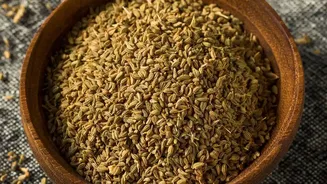
unknown outside of Eastern India. Often mistaken for its more famous cousins, ajwain (carom seeds) or celery seeds, Randhuni has a distinct identity. While they all belong to the same Apiaceae family, Randhuni possesses a unique aromatic profile. Raw, it has a herbaceous scent, but when it hits hot oil, it blossoms into a warm, pungent, and deeply aromatic fragrance reminiscent of parsley and celery, but with an intensity all its own. Interestingly, the name 'Radhuni' in Bengali also means 'cook', a testament to its indispensable role in the kitchen. It’s not just a seed; it is technically the dried fruit of the plant, packing a universe of flavour into a tiny package.
The Art of Subtlety in Phoron
The soul of many Bengali dishes lies in the 'phoron' or 'tadka'—the tempering process where whole spices are bloomed in hot ghee or mustard oil to create a foundational layer of flavour. This is where Randhuni truly shines. While spices like mustard seeds pop aggressively and cumin lends a bold earthiness, Randhuni’s contribution is more nuanced. Its purpose is not to announce its presence loudly but to add a complex, savoury background note that enhances everything else in the dish. When fried for just a few seconds, it releases its potent flavour without a hint of the bitterness that can come from over-toasting other spices. This quality makes it perfect for delicate vegetable preparations and light dals, where a more dominant spice would overwhelm the natural taste of the ingredients. It lays a fragrant foundation, creating a cohesive dish where no single spice stands out, but the collective result is profoundly flavourful.
Classic Dishes Where Randhuni Stars
To truly understand Randhuni, one must taste it in its natural habitat. It is the signature spice in Shukto, a classic Bengali mixed-vegetable dish with a delicately balanced bitter and slightly sweet gravy. The unique aroma of Randhuni is what gives Shukto its iconic taste, a flavour that is impossible to replicate with any substitute. Beyond Shukto, Randhuni is the preferred tempering spice for many dals, particularly Masoor Dal (red lentils), where its aroma permeates the lentils to create a comforting and soulful dish. It’s also used in various 'chorchori' (medleys of chopped vegetables) and light fish curries ('macher jhol'), where it provides a clean, herbaceous lift. In many Bengali households, Randhuni is a key component of Panch Phoron (a five-spice blend), often replacing mustard seeds to give the mix its characteristic regional flavour.
How to Use Randhuni at Home
Incorporating Randhuni into your cooking is simple, but technique is everything. Because of its strong flavour, a little goes a long way; a small pinch is often enough for a dish serving four people. To use it for tempering, heat your preferred fat—mustard oil for the most authentic Bengali flavour or ghee for a richer taste. Once the oil is hot but not smoking, add the Randhuni seeds. They will begin to crackle and sizzle almost immediately. This is the crucial moment: you are looking for that burst of aroma, which happens within seconds. Do not let them burn, as this will turn the flavour acrid. As soon as they become fragrant, add your vegetables, dal, or other ingredients to the pan. This stops the cooking process of the spice and infuses the dish with its beautiful flavour. You can find Randhuni at Bengali grocery stores or online, sometimes labelled as 'wild celery seed'. Be sure to check that you are buying Randhuni and not celery seed for the true Bengali experience.