


A 14-Model Product Offensive
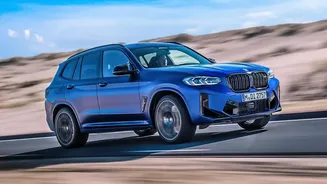
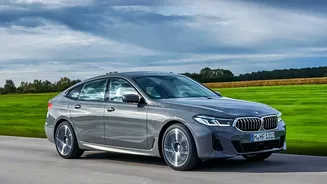
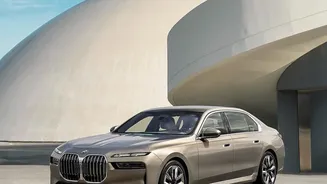
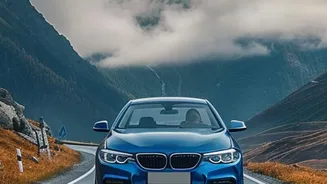
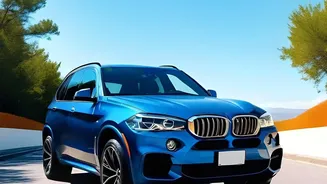
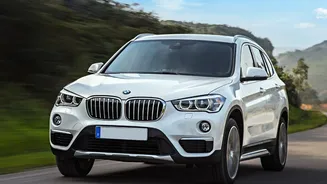
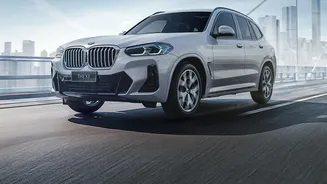
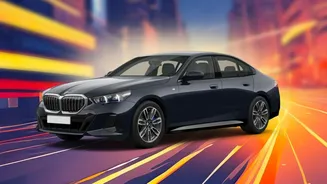
The centerpiece of BMW's strategy is an aggressive plan to launch 14 new models in the Indian market. While the exact list remains under wraps, this product onslaught is expected to be a mix of all-new vehicles, significant facelifts of existing popular
models, and niche, high-performance cars. The focus will be on infusing freshness across its portfolio. This includes strengthening its core sedan lineup and expanding its popular 'X' range of SUVs. A key element of this strategy is localisation; by producing the majority of its cars in India, BMW not only gains cost efficiencies but also signals a deep commitment to the market, which builds significant brand trust among consumers. This approach allows the brand to react swiftly to local tastes, a lesson learned with the successful introduction of long-wheelbase versions of its cars, which cater specifically to the Indian preference for spacious rear-seat comfort.
The EV Revolution Accelerates
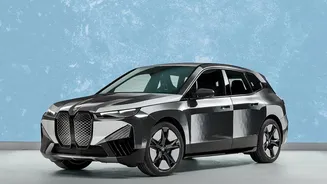
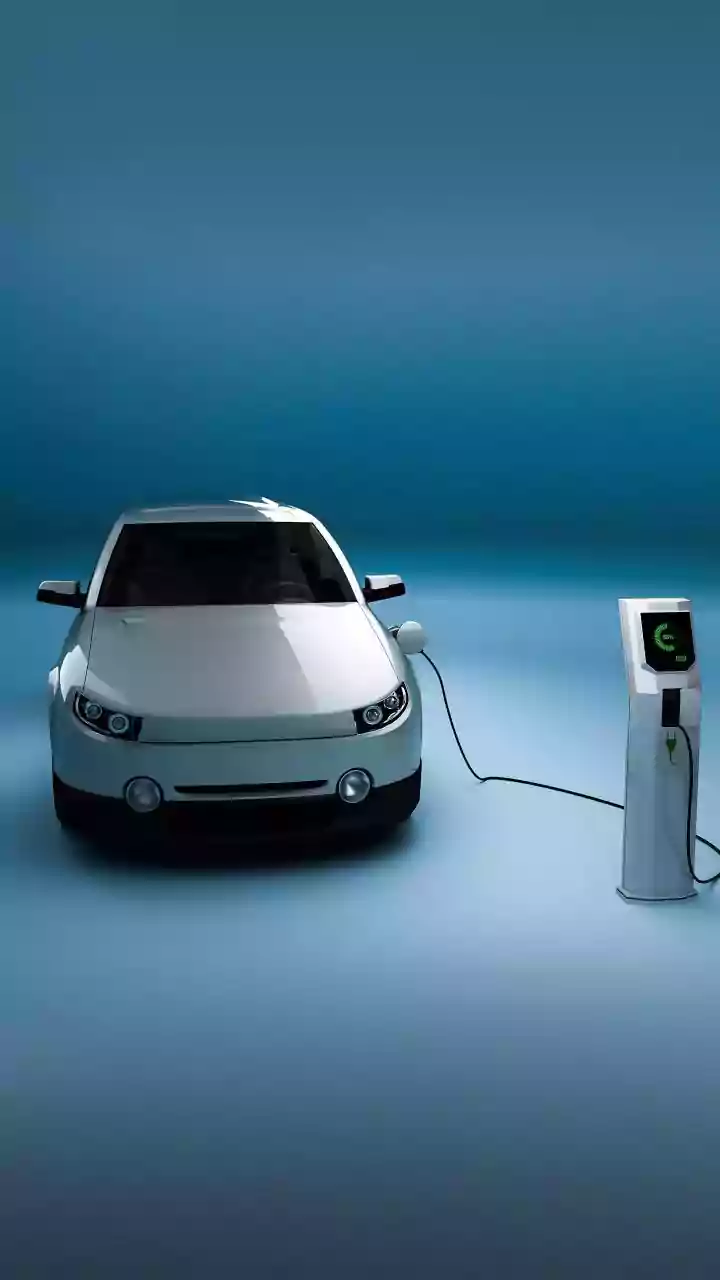
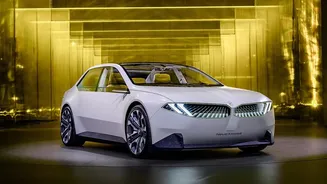
A significant portion of the new launches will be dedicated to electric vehicles. BMW has been a frontrunner in India's nascent luxury EV space and plans to solidify its lead. The company's electric vehicle sales already constitute a meaningful part of its total volume, having seen dramatic growth in recent years. The upcoming portfolio will likely include new all-electric sedans and SUVs, expanding the 'i' brand. This EV push is complemented by practical initiatives like assured buyback programs, designed to reduce customer apprehension about resale value and battery life, thereby lowering the barrier to entry for first-time luxury EV buyers. This focus on electrification is a direct response to a growing segment of young, environmentally conscious buyers and aligns with the global shift towards sustainable mobility.
Redefining the Retail Experience
Beyond the products themselves, BMW is overhauling how it interacts with customers. The retail expansion is not just about adding more showrooms but about upgrading the quality and format of its customer touchpoints. The company is rolling out its 'Retail Next' concept across dealerships, creating a more immersive, digitally-integrated, and lounge-like environment. This 'phygital' model blends the best of physical showrooms with digital tools, offering a seamless experience from online configuration to in-person consultation. The plan involves expanding the network to over 100 touchpoints across more cities, reaching deeper into Tier-2 and Tier-3 markets where the next wave of luxury buyers is emerging. This ensures that the brand is not just visible in metros but is accessible to aspirational consumers across the country.
The Race for Market Leadership
This comprehensive strategy is set against the backdrop of a fierce battle for supremacy in India's luxury car market. For years, the segment has been dominated by Mercedes-Benz, with Audi a consistent third. However, BMW has been steadily closing the gap, even managing to overtake its primary rival in recent quarterly sales figures for the first time in over a decade. In the first half of 2026, BMW Group India pulled ahead of Mercedes-Benz in retail sales, a testament to its strong SUV and EV portfolio. The fight is incredibly close, with both German giants trading blows. BMW's growth has been partly driven by high-volume models at the entry-level luxury spectrum, while Mercedes has focused on the high-margin, top-end of the market. This two-pronged strategy of new products and enhanced retail is BMW's clear declaration of intent: it is not just competing, but is aiming to secure a decisive and lasting leadership position in one of the world's most promising luxury markets.