




Meet The Family (Or Not)
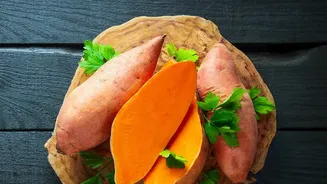
First, a surprising fact: sweet potatoes and squash are not related. Not even as distant cousins. The sweet potato, or 'shakarkandi', is a tuberous root from the morning glory family. It's the starchy, swollen root of the plant, packed with nutrients.
Squash, on the other hand, which includes everything from our familiar 'kaddu' (pumpkin) to butternut squash, belongs to the gourd family. Botanically speaking, they are fruits, as they contain the seeds of the plant. This fundamental difference in their origin is the starting point for all the other distinctions in taste, texture, and how they behave in the kitchen.
A Nutritional Snapshot
Both vegetables are nutritional powerhouses, but they offer slightly different benefits. The sweet potato is famous for its exceptionally high levels of beta-carotene, which the body converts into Vitamin A. It’s also denser in calories, carbohydrates, and natural sugars, making it a great source of sustained energy. Squash, particularly butternut squash, is also a fantastic source of Vitamin A, though typically less concentrated than in sweet potatoes. Where squash shines is its lower calorie and carbohydrate count, making it a lighter option. It provides a healthy dose of Vitamin C, potassium, and magnesium. So, if you're looking for an energy boost, sweet potato is your friend. For a lighter, lower-carb addition to your meal, reach for squash.
The Taste And Texture Test
This is where the differences become most apparent. Sweet potatoes have a distinctly sweet flavour and a dense, starchy texture. When cooked, they can be fluffy like a regular potato but with a lot more sweetness and a creamier mouthfeel. Think of the satisfying, hearty bite of a roasted shakarkandi. Squash has a more subtle, earthy, and nutty flavour profile. Its flesh is more fibrous and has a higher water content, which means it becomes much softer and smoother when cooked. This is why butternut squash purees into a velvety, creamy soup, while a sweet potato mash would be much thicker and heavier.
The Decider: How To Cook Them
The choice between sweet potato and squash often comes down to your cooking method. Thanks to its starchy structure and lower water content, the sweet potato holds its shape beautifully. This makes it the undisputed champion for making oven-baked fries, wedges, or roasted cubes that get crispy on the outside and fluffy inside. It's also sturdy enough to be boiled and mashed or used in patties. Squash, with its high moisture content, is destined for creaminess. It excels in soups, purees, and sauces where you want a silky-smooth consistency. While it can be roasted, it tends to soften more and won't achieve the same crispiness as a sweet potato. Its gentle flavour also makes it a wonderful addition to risottos, pasta fillings, and even baked goods like muffins where it adds moisture.
In The Indian Kitchen
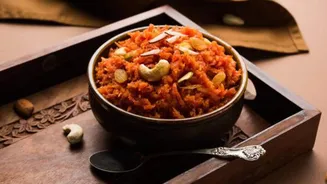
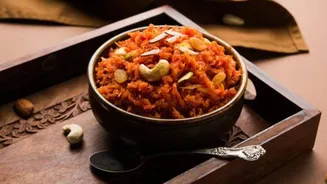
Both vegetables have a cherished place in Indian cuisine. Sweet potato is a fasting favourite, often enjoyed as 'shakarkandi ki chaat', where its natural sweetness is balanced with lemon juice and spices. It can also be used to make a dense, delicious halwa. Squash, in the form of pumpkin or 'petha', is a star in both savoury and sweet dishes. Think of a tangy 'khatta meetha kaddu' subzi, where its softness allows it to absorb all the spices beautifully. It can also be transformed into the famous Agra ka Petha or a creamy 'kaddu ka kheer'. The rule of thumb holds: use sweet potato for chunky, hearty preparations and squash for smoother, gravy-based or pureed dishes.