








Beyond a Physical Workout
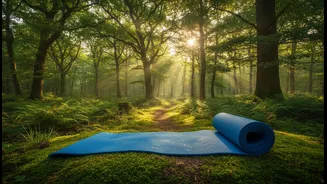
We all know that a brisk walk is good for the heart, helps manage weight, and strengthens our bodies. These benefits are real and important. Yet, when that walk takes place in a park, surrounded by trees and patches of sky, something else happens. The focus
shifts from a purely physical transaction of calories burned and steps taken to a deeper, more restorative experience for the mind. The very act of being in a natural environment enhances the mental health benefits of the physical exercise, activating mood-elevating endorphins while also soothing the mind.
Restoring Your Tired Brain
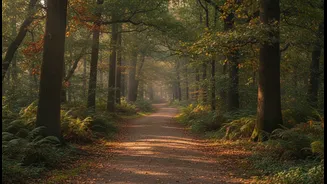
Ever feel like you can't possibly focus for another minute? This is known as directed-attention fatigue, a common side effect of modern life where we constantly force our brains to concentrate on work, screens, and traffic. According to Attention Restoration Theory (ART), developed by psychologists Rachel and Stephen Kaplan, nature offers a powerful remedy. Unlike a busy street that demands our sharp attention to avoid hazards, a park environment engages us through 'soft fascination'. The gentle rustle of leaves, the movement of clouds, or the pattern of light through branches captures our attention effortlessly. This allows the brain's overworked 'focus' muscle to rest and recover, leading to improved concentration and memory after the walk.
A Dose of Nature's Calm
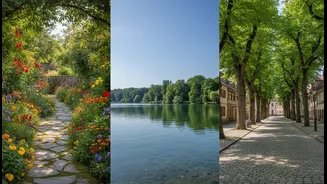
The Japanese practice of Shinrin-yoku, or 'forest bathing', is built on the idea that immersing oneself in nature is a form of medicine. Research has shown that even short periods spent in green spaces can lower levels of the stress hormone cortisol, reduce blood pressure, and decrease feelings of anxiety and depression. You don't need a dense forest to experience this. A city park provides enough of a natural setting to trigger these benefits. The green colours, the natural sounds, and even the earthy smells help activate our parasympathetic nervous system—the body's 'rest and digest' mode—creating a sense of calm and well-being.
Unlocking Your Creativity
Stuck on a problem at work or feeling uninspired? A walk in the park might be more effective than staring at your screen. Research has found a strong link between exposure to nature and boosted creativity. This happens for a few reasons. First, the relaxed mental state and restored attention give your brain the space it needs to make new connections. Second, walking itself stimulates free-flowing thought. When you combine these two elements in a park, you create the ideal conditions for your mind to wander productively, leading to fresh ideas and new perspectives on old problems.
How to Take a Better Walk
Tapping into these benefits doesn't require special training, but it does require intention. For your next park walk, try leaving your headphones behind. Allow yourself to walk at a natural, comfortable pace without worrying about speed or distance. Intentionally engage your senses. What do you see? Notice the different shades of green. What do you hear? Listen for birdsong underneath the city hum. What do you feel? The breeze on your skin, the texture of a leaf. The goal is to shift from thinking and analysing to simply being and observing. Even just 15-20 minutes of this mindful walking can make a significant difference to your mental state.