







A Mission Interrupted
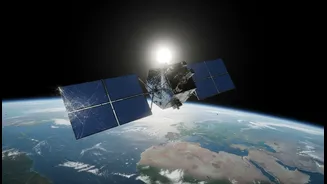
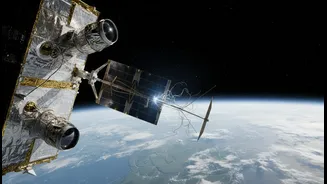
In a major setback for India's private space industry, Bengaluru-based startup GalaxEye Space announced this week that it has lost contact with its maiden satellite, 'Mission Drishti'. Launched on May 3, 2026, aboard a SpaceX Falcon 9 rocket, the satellite was
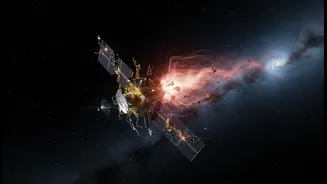
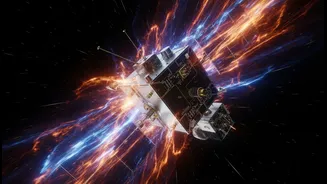
India's largest privately developed Earth observation satellite and a symbol of the country's growing prowess in the commercial space race. The company reported that the spacecraft suffered a critical anomaly during its final phase of early orbit operations, which was triggered by an intense geomagnetic storm. Initial analysis suggests that extreme radiation from the space weather event likely damaged a critical onboard system, leading to intermittent and then total loss of communication. While recovery efforts are ongoing, the company has stated that the likelihood of re-establishing contact appears low.
What is a Solar Storm?
So, what exactly is this celestial force that can disable a sophisticated piece of technology millions of miles from home? A solar storm is a powerful eruption from the sun. These events, which include solar flares and Coronal Mass Ejections (CMEs), hurl massive clouds of charged particles and radiation into space. While Earth's magnetic field protects us on the ground, satellites in orbit are on the front line. When these solar particles slam into a satellite, they can cause a range of problems. They can heat the upper atmosphere, increasing drag and pulling satellites out of orbit. The high-energy particles can also fry sensitive electronics, corrupt data, and disrupt the radio signals used to communicate with and control the spacecraft — a phenomenon that appears to have struck Mission Drishti.
Why This Satellite Mattered So Much
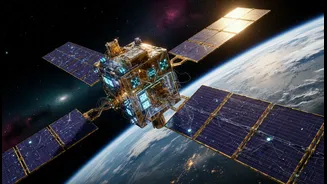
The loss of Mission Drishti is more than just a single hardware failure; it's a disruption to a significant national moment. GalaxEye's satellite was billed as the world's first 'OptoSAR' satellite, a groundbreaking technology that combined both optical and synthetic aperture radar (SAR) imaging. This hybrid system was designed to see through clouds and darkness, providing all-weather, day-and-night imagery crucial for defence, disaster management, and agriculture. The mission represented a key step in India's ambition to foster a vibrant private space ecosystem, a goal backed by government reforms designed to attract investment and innovation. For startups like GalaxEye, which had already secured clients for its data, the disruption is a painful commercial and technological setback.
A Harsh But Valuable Lesson
Despite the likely loss of the spacecraft, both the company and industry experts are framing the event as an invaluable, if costly, learning experience. Before the anomaly, Mission Drishti had successfully validated several of its key systems, from deployment and attitude control to its in-house mission operations from Bengaluru. According to Suyash Singh, CEO of GalaxEye, the mission provided crucial engineering insights that will strengthen future missions. The event serves as a critical wake-up call for India's entire private space sector about the very real dangers of space weather. As the sun enters a period of maximum activity, the frequency of such storms is increasing, forcing a re-evaluation of how satellites are designed, shielded, and operated in hostile cosmic environments.