





A Diplomatic Flock Arrives
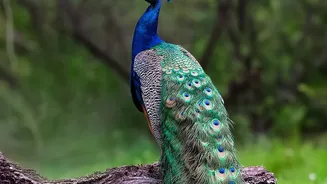
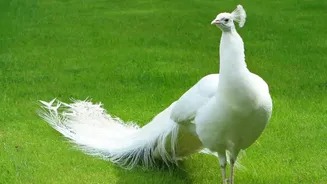
In a special ceremony, India's Permanent Representative to the UN in Geneva, Arindam Bagchi, presented five young peacocks to UNOG Director-General Tatiana Valovaya. The group consists of four classic blue Indian peafowls and one magnificent white-feathered
male. This donation isn't the first of its kind; it thoughtfully revives a tradition dating back to 1981, when then-Prime Minister Indira Gandhi gifted a pair of peacocks to the same institution. The birds will initially acclimate in a special aviary within the Palais des Nations' historic Ariana Park before being allowed to roam freely, joining other resident peafowl. The timing replenishes a population that had dwindled over the decades, ensuring the tradition continues for a new generation of diplomats and visitors.
The Power of Peacock Symbolism
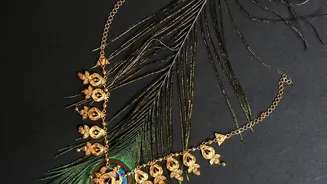
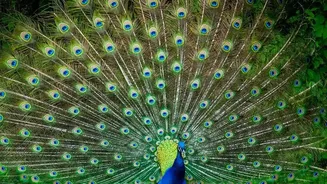
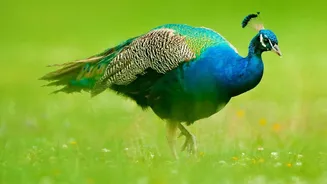
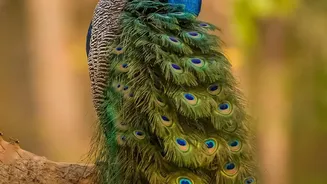
The choice of the peacock is deeply significant. As India's national bird, designated in 1963, the peacock, or 'Mayura', is a powerful symbol of grace, beauty, and national pride. Its cultural resonance is woven deep into the fabric of Indian heritage, appearing for centuries in art, mythology, and religious traditions. In Hindu mythology, the peacock is the mount of Kartikeya, the god of war, and its feathers famously adorn the crown of Lord Krishna. This gift, therefore, acts as a piece of living heritage—a representation of India’s commitment to biodiversity and its enduring cultural ethos on a global stage. The selection of four blue birds and one white one was also a deliberate nod to the blue and white colours of the United Nations itself, adding another layer of diplomatic thoughtfulness.
The Significance of a White Peacock
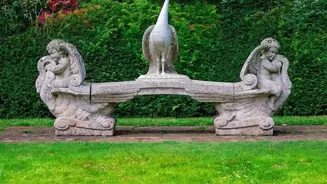
The centrepiece of the gift, the white peacock, carries its own unique and potent symbolism. Not an albino, this bird is a leucistic variant of the Indian peafowl, a genetic rarity that results in its striking, snow-white plumage while retaining its signature blue eyes. Across various cultures, white peacocks are seen as symbols of purity, spirituality, and even resurrection. In some traditions, they represent spiritual awakening and enlightenment. By including this rare specimen, India's gift transcends a simple display of national pride. It becomes a message of peace, renewal, and a desire for a higher level of harmony and understanding in international relations—a fitting sentiment for an institution dedicated to global cooperation.
A Tradition of Avian and Animal Diplomacy
This peacock presentation is a modern chapter in India's long history of "animal diplomacy." In the years following Independence, Prime Minister Jawaharlal Nehru famously engaged in what was called "elephant diplomacy," gifting elephants to countries like China, the USA, and the Soviet Union as emissaries of goodwill. These acts of soft power helped cultivate a positive image for the young nation on the global stage, showcasing generosity and a desire to foster people-to-people connections. The tradition of keeping peacocks in Geneva's Ariana Park actually predates the UN itself, started by the park's original private owner in the 19th century to enhance its biodiversity. India's latest gift seamlessly weaves into this long-standing local heritage while reinforcing its own diplomatic traditions.