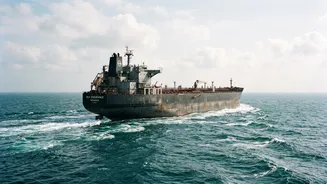






The spectre of high fuel prices continues to loom over Indian households and businesses. A recent forecast from the International Energy Agency suggests this pressure isn't easing soon, with global markets facing a tight supply crunch into 2027.
A Sobering Global Forecast
The International
Energy Agency (IEA), a key global energy watchdog, has issued a stark warning: the world's energy markets are unlikely to return to 'normal' pre-war conditions in 2027. This assessment, delivered by IEA Executive Director Fatih Birol, points to a prolonged period of instability and stress. The primary drivers are significant geopolitical disruptions that have upended supply chains, coupled with a complex demand picture. For the average person, 'stressed markets' translates directly to price volatility and the potential for sustained high costs for petrol, diesel, and other essential fuels. The IEA's analysis suggests that inventories of key fuels like diesel and gasoil are depleted and are not expected to be meaningfully rebuilt before the second half of 2027, keeping supplies tight.
India: The New Centre of Demand
While advanced economies are seeing a long-term decline in oil consumption, the story in Asia is one of robust growth. The IEA has identified India as the single biggest driver of global oil demand growth through 2030. Projections show India's oil consumption rising from 5.5 million barrels per day (mbpd) in 2024 to 6.6 mbpd by 2030. This surge is fuelled by a rapidly expanding economy, industrialisation, and increased mobility. Diesel, in particular, is a major component, accounting for nearly half of the nation's demand growth as industrial and construction activity expands. This puts India at the heart of the global energy equation; as the country's economic engine roars, its thirst for energy will have a significant impact on global supply and price dynamics.
The Global Refining Bottleneck
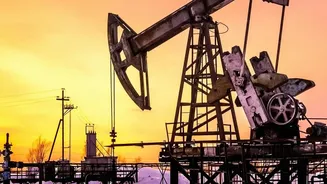
A crucial and often overlooked part of the problem isn't just the availability of crude oil, but the world's capacity to refine it into usable products like petrol and diesel. Recent geopolitical conflicts have damaged key refining infrastructure in the Middle East and disrupted Russian exports. At the same time, many refineries, particularly in the West, have been shut down over the past decade with minimal investment in new ones. This has created a critical bottleneck. Even if there is enough crude oil, there isn't enough machinery to process it. Compounding this, many operational refineries have been running at maximum capacity and have delayed essential maintenance to meet demand. Analysts predict this deferred maintenance will lead to an unusually high number of shutdowns in the second quarter of 2027, further tightening fuel supply just when markets might have hoped for relief.
What This Means for India
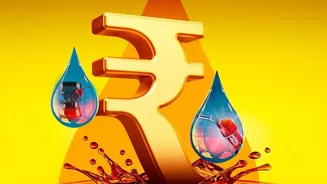
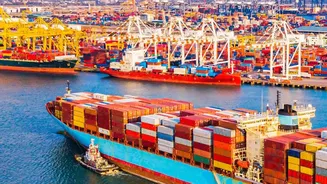
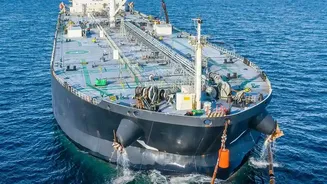
For a nation that imports over 85% of its crude oil, this global stress has direct and significant consequences. Sustained high oil prices, potentially flirting with $120 per barrel, directly impact India's trade balance and can weaken the rupee. For consumers, it means the pressure on petrol and diesel prices is unlikely to abate, which in turn fuels broader inflation, raising the cost of everything from transportation to daily groceries. The IEA notes that India is also becoming a key exporter of refined fuels, effectively serving as a 'swing supplier' on the global stage. This dual role as a major consumer and refiner places the country in a complex position, navigating its own immense energy needs while also playing a part in the strained global product market.
The Volatile Road to 2027
The IEA's forecast is a reminder that energy markets are in a fragile state. Geopolitical tensions in the Middle East remain a primary risk, with any escalation having the potential to further disrupt supply and send prices soaring. The IEA's October Oil Market Report highlights that while supply from Gulf producers has shown signs of recovery, renewed attacks leave the situation precarious. The agency specifically points to the diesel market as a major concern, with tightness expected to persist well into 2027 due to low inventories and supply disruptions. While the longterm push towards electric vehicles and biofuels is set to save a significant amount of oil demand in India, the immediate years ahead will be defined by the difficult dynamics of the traditional fuel market.