




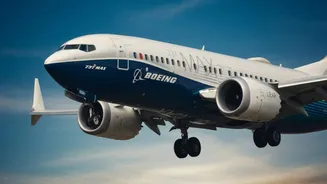
A Long-Awaited Green Light
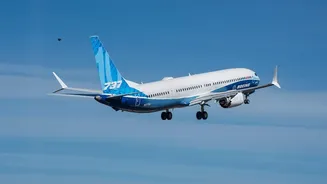
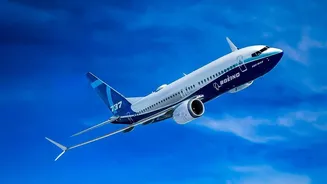
The FAA's approval, announced in early August 2026, marks the end of a protracted and difficult certification journey for the smallest member of the 737 MAX family. This certification is more than just a procedural step; it’s a crucial validation for Boeing,
which has faced unprecedented oversight following two fatal MAX 8 crashes in 2018 and 2019 that killed 346 people, and a subsequent mid-air cabin panel blowout on a MAX 9 in January 2024. The FAA stated the approval came after almost a decade of extensive review, which required Boeing to implement key safety improvements to flight-control software, the pilot alerting system, and a redesigned engine anti-ice system. For Boeing, achieving this milestone unlocks the ability to finally begin delivering the MAX 7 to customers.
The Technical Hurdles Overcome
The MAX 7's certification was significantly delayed by several complex technical issues, most notably a problem with its engine anti-ice system. Engineers discovered that running the system for an extended period in dry air could cause the engine inlet to overheat, potentially damaging the structure and creating a safety risk. Boeing initially sought a temporary exemption to allow deliveries to begin while it worked on a permanent fix but withdrew the request amid pressure for a complete engineering solution before certification. The final approved design successfully addresses this concern, along with other mandated updates stemming from the earlier MAX accidents. The rigorous process involved nearly 700 hours of flight tests and extensive documentation to satisfy the more stringent regulatory standards put in place after 2019.
What This Means for Southwest Airlines
No airline has been watching the MAX 7's progress more closely than Southwest Airlines. The carrier is the launch customer and accounts for the vast majority of the aircraft's orders, with hundreds of planes on the books to modernize its fleet. The MAX 7, which seats 135 to 160 passengers and has the longest range in the MAX family, is intended to replace Southwest's large, aging fleet of 737-700s. The airline praised the FAA's decision, stating it is an important step toward modernizing its all-Boeing 737 fleet with more fuel-efficient aircraft. While Boeing is preparing to deliver the first planes, Southwest has indicated it will still take several months to get the new jet ready for passenger service, with some estimates pointing to an entry into service in 2027.
The Path to the Passenger Cabin
While FAA certification is the most significant milestone, it's not the final step. Boeing has already built around 30 MAX 7s that have been awaiting this approval. Now, the company must work with its customers, primarily Southwest, to prepare these aircraft for delivery. For the airline, this involves a series of steps including finalising interiors, updating manuals and maintenance procedures, and conducting pilot training. Southwest has stated it needs about three to six months after receiving the first aircraft before it can officially enter commercial service. FAA safety inspectors will also remain on-site at Boeing's production facilities to closely monitor the manufacturing process and the company's safety culture.