




Why Light Is the First Step
We often blame ourselves when a new plant fails, wondering if we watered it too much or too little. While watering is critical, it's often a secondary issue. The primary source of energy for most plants is light. Through photosynthesis, plants convert
light into the food they need to survive and grow. Without the correct amount of light, a plant simply cannot sustain itself, no matter how perfect its watering schedule is. Placing a sun-loving plant in a dark corner is like asking it to run a marathon without any food. Conversely, a plant that evolved in the shady understory of a forest can have its leaves scorched by intense, direct sun. Understanding this fundamental need is what separates struggling plant owners from successful ones. The good news is that there’s a perfect plant for almost every lighting situation.
How to Read Your Bedroom's Light
Before you can choose a plant, you need to become an observer of your own space. The direction your bedroom windows face is the best indicator of the type of light you have. North-facing windows provide the lowest, most consistent indirect light. East-facing windows get softer, direct morning sun. South-facing windows receive the brightest, most intense light throughout the day, while west-facing windows get strong, direct afternoon sun. Pay attention to obstructions outside, like trees or other buildings, which can filter or block light. A simple way to test the intensity is the 'shadow test': hold your hand up in the brightest part of the room. A sharp, well-defined shadow indicates bright, direct light. A softer, fuzzier shadow suggests medium, indirect light. If there's only a faint shadow or none at all, you have low light. Assess this at different times of the day to get a full picture.
Low-Light Champions for Shadier Rooms
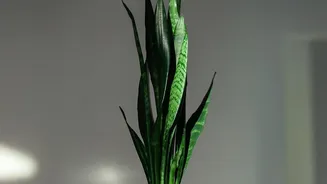
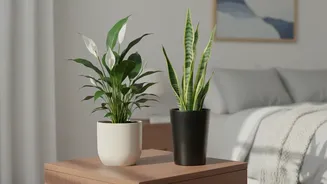
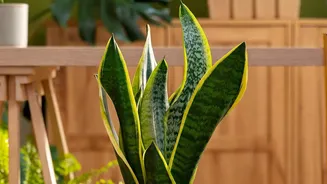
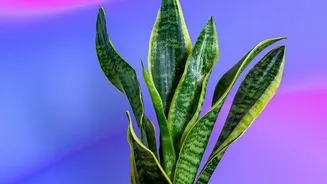
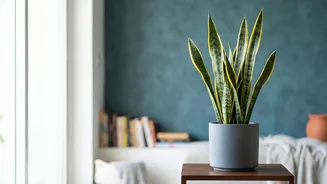
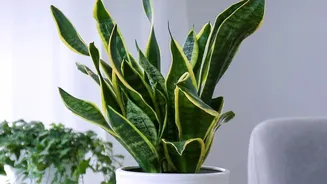
If your bedroom is on the dimmer side, don't despair. Many plants have adapted to thrive in low-light conditions. A north-facing window or a spot far from a brighter window is ideal for these species. The Snake Plant (Sansevieria trifasciata) is perhaps the most famous low-light warrior, known for its resilience and air-purifying qualities. It is remarkably drought-tolerant and prefers its soil to dry out completely between waterings, making it perfect for beginners. Another fantastic choice is the ZZ Plant (Zamioculcas zamiifolia). With its glossy, dark green leaves, it adds a touch of modern elegance and is incredibly forgiving. While it can tolerate low light, it grows best in medium, indirect brightness. Both of these plants are a great way to add green to a room you thought couldn't support life.
Medium-Light Stars for the Sweet Spot
Most homes are filled with spots of medium, or bright indirect, light. This is the light found near an east-facing window or a few feet back from a sunny south or west-facing window. This condition suits the widest variety of popular houseplants. The Pothos (Epipremnum aureum) is a classic choice, celebrated for its trailing heart-shaped leaves and easy-going nature. It can tolerate lower light but will show more vibrant growth and variegation in brighter, indirect conditions. Similarly, the Heartleaf Philodendron offers a similar vining look and is just as adaptable. These plants are great communicators, often drooping slightly when they need water. They are perfect for placing on a dresser or in a hanging basket where their vines can cascade down.
Sun-Worshippers for Bright Bedrooms
If you have a bedroom blessed with hours of direct sun from a south or west-facing window, you can host some truly spectacular plants. However, be aware that even sun-loving plants can get scorched by intense, unfiltered afternoon sun. The Croton (Codiaeum variegatum) is a showstopper known for its wildly colourful leaves in shades of red, orange, and yellow. To maintain this vibrant colouring, it needs at least six to eight hours of bright, and ideally direct, sunlight each day. In lower light, its colours will fade to green. Many succulents and cacti also fall into this category, appreciating as much direct light as you can provide. These plants store water in their leaves, so they require infrequent watering and well-draining soil to prevent root rot.