


Every great city has a nickname, but Kolkata's is particularly evocative. The title 'London of India' speaks to a deep, complex history, rooted in a time when it was the British Empire's second city. But what's really behind the name?
The Empire's Second City
To understand the
moniker, we have to go back to when Kolkata, then Calcutta, was the capital of British India. From 1772 until the capital shifted to Delhi in 1911, Calcutta was the administrative, commercial, and cultural heart of the Raj. It was, for a considerable time, the most important city in the British Empire after London itself. This status meant the British invested heavily in shaping the city in their own image, building a metropolis on the banks of the Hooghly River that would mirror their own capital on the Thames. The city's port became a crucial hub for trade, connecting Europe with Southeast Asia and cementing its economic might.
An Architectural Mirror Image
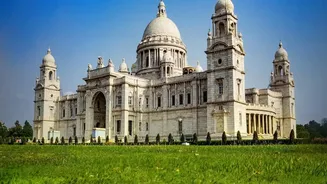
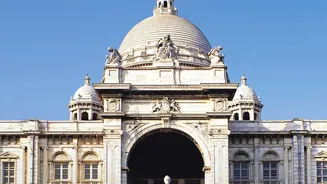
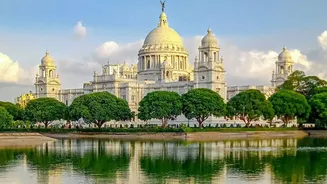
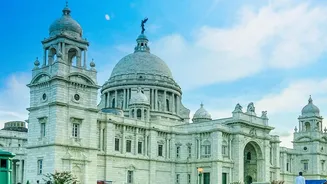
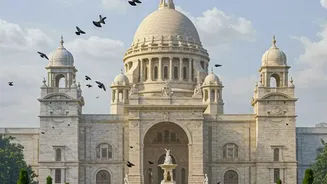
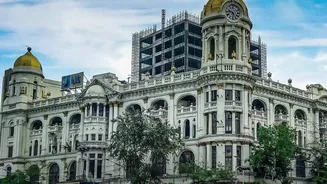
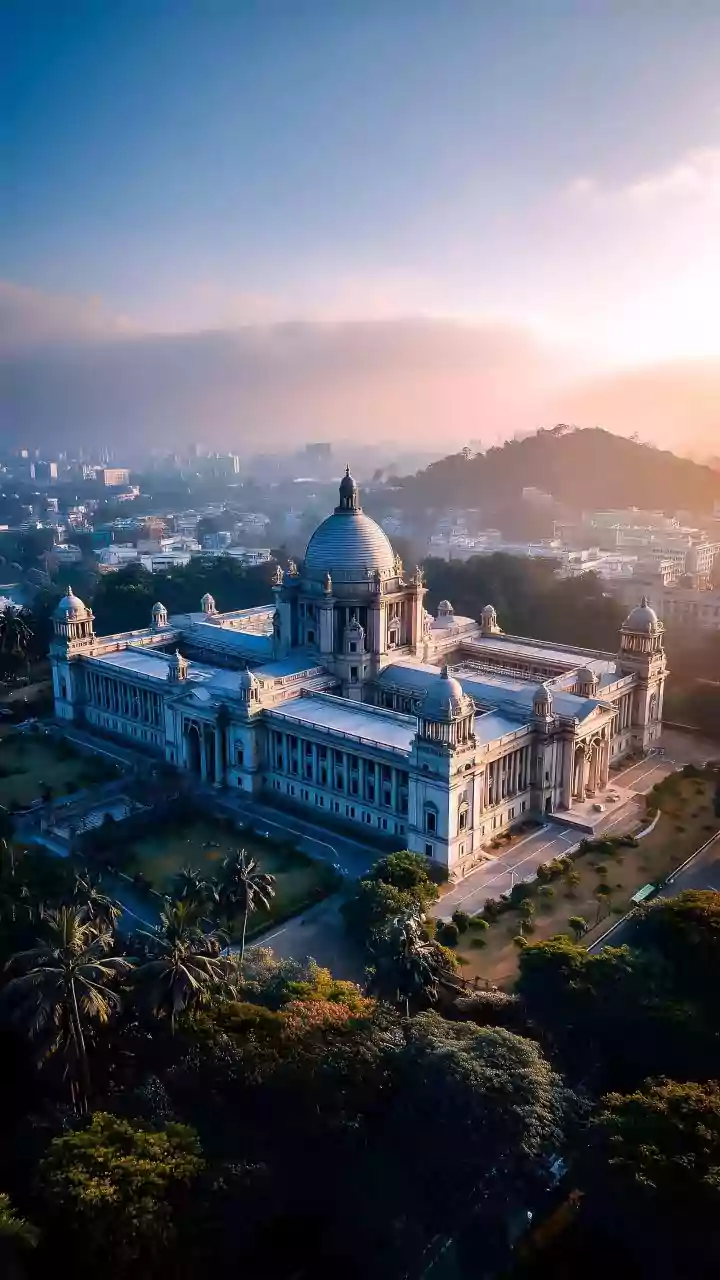
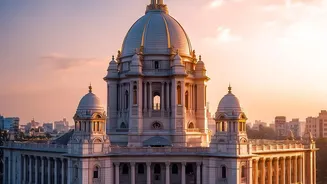
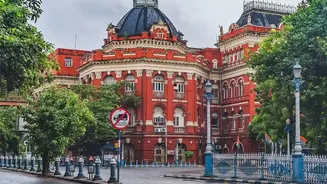
The most visible link between the two cities is the architecture. The British constructed grand buildings across Calcutta, borrowing heavily from the European styles of the era. Strolling through the city's historic core, especially the area once known as Dalhousie Square (now B.B.D. Bagh), feels like stepping into a different time. This area was the financial and political nucleus of British India. It is home to a stunning collection of colonial-era structures, from the imposing Writers' Building, which served as the administrative headquarters, to the magnificent General Post Office with its grand dome. Architectural styles like Neoclassical, Gothic Revival, and Victorian are on full display, creating a distinctly European streetscape. Iconic landmarks such as St. Paul's Cathedral, with its Indo-Gothic design, and the magnificent white-marble Victoria Memorial, which blends British and Mughal influences, are enduring symbols of this shared architectural heritage.
Beyond Bricks and Mortar
The comparison isn't just skin deep. The nickname also reflects a shared cultural and intellectual spirit. Kolkata was the cradle of the 19th-century Bengal Renaissance, a period of profound social, cultural, and artistic awakening. A new class of intellectuals, the 'Bhadralok', emerged, driving advancements in literature, arts, and science. This intellectual vibrancy drew parallels with London's own reputation as a global centre for ideas and culture. Furthermore, the British instilled a love for institutions like gentlemen's clubs, many of which still thrive in Kolkata today. The city’s club culture, centered around establishments like the Bengal Club and the Royal Calcutta Golf Club (the oldest outside the British Isles), remains a strong echo of its anglophile past.
Echoes in Everyday Life
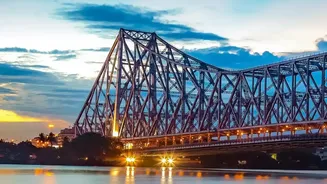
Remnants of this London connection can still be found in the rhythm of daily life. Kolkata is the only city in India that still operates a tram system, a mode of transport that once crisscrossed the streets of London and other European capitals. These slow-moving vehicles add to the city’s unique, old-world charm. The placement of the city itself on the banks of a major river, the Hooghly, is another point of comparison with London and its River Thames, as both waterways were the arteries of imperial trade and development.
A Modern Identity
While the nickname 'London of India' is rooted in colonial history, Kolkata is far from being a relic of the past. The city has forged its own powerful identity, blending its historical legacy with a vibrant, modern Bengali culture. The grand colonial buildings now serve as the backdrop for a city known for its literary festivals, passionate political discourse, artistic creativity, and, of course, its incredible food scene. The nickname serves as a reminder of a pivotal chapter in its history, but Kolkata's story is one of constant evolution, embracing its past while confidently striding into the future.