



The Secret to Perfect Paste
The single most important step for a silky, restaurant-quality cashew paste is soaking. Before you even think about blending, you must soak raw, unsalted cashews in hot water for at least 30-45 minutes. This process softens the nuts considerably, allowing
them to break down into a completely smooth, non-gritty paste when blended. Skipping this step will result in a grainy texture that can ruin the mouthfeel of your dish. For an even creamier result, some chefs soak the nuts for a few hours or even overnight. After soaking, drain the cashews and blend them with a small amount of fresh water until you achieve a consistency similar to thick yoghurt. This is the key qualification to unlock the magic of cashews.
1. For a Royal Mughlai Gravy
The secret behind the rich, velvety texture of iconic dishes like Shahi Paneer, Butter Chicken, and other Mughlai curries is often cashew paste. In these recipes, the paste acts as a primary thickener, creating a luscious gravy that is mildly sweet and incredibly decadent. It beautifully balances the acidity of tomatoes and the warmth of aromatic spices, providing a creamy base without relying solely on heavy cream or yogurt. When stirred into the curry during the final stages of cooking, it melts into the sauce, giving it body and a luxurious finish that is synonymous with celebratory North Indian cuisine.
2. For a Delicate White Korma
In dishes like Navratan Korma or a Malai Kofta, the goal is a pale, elegant gravy. Cashew paste is essential for achieving this. Unlike tomato-based gravies, white kormas derive their creaminess from a blend of cashew and sometimes onion paste, yogurt, and milk. The cashew paste provides a thick, rich consistency and a subtle sweetness that allows the delicate flavours of spices like green cardamom, mace, and white pepper to shine through. This creates a silky, fragrant sauce that is rich yet not overpowering, perfect for coating vegetables, paneer, or chicken.
3. As a Silky Soup Thickener
Cashew paste is a fantastic dairy-free and vegan alternative to heavy cream for thickening soups. Whether you're making a creamy tomato soup, a velvety mushroom bisque, or a hearty vegetable puree, a few spoonfuls of cashew paste can transform the texture from thin to wonderfully smooth. When blended into the soup, it adds body and richness without the distinct flavour of dairy, allowing the taste of the main ingredients to remain prominent. It's a simple, healthy way to achieve a luxurious consistency in almost any blended soup.
4. In a Rich Marinade
When used in marinades, cashew paste works wonders by tenderising and adding a rich coating. For dishes like Malai Paneer Tikka or Afghani Chicken, the paste forms the base of a thick marinade along with yogurt, cream, and spices. This mixture clings to the paneer or chicken, keeping it incredibly moist and succulent during the high-heat cooking of a tandoor or grill. As it cooks, the cashew paste helps form a delicious, creamy crust that is lightly browned and full of flavour, preventing the protein from drying out.
5. As the Star of a Dessert
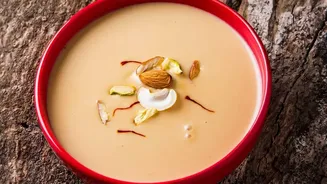
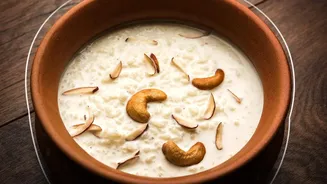
Cashew paste isn't just for savoury dishes; it’s the heart of one of India's most beloved sweets: Kaju Katli. In this iconic dessert, finely ground cashew powder or paste is cooked with sugar syrup until it forms a thick, pliable dough. This dough is then rolled out and cut into its signature diamond shape. The paste provides the fudge-like, melt-in-your-mouth texture and the distinct, nutty-sweet flavour that makes Kaju Katli so irresistible. The same principle applies to other sweets like cashew-based kheer or payasam, where the paste lends its inherent richness and creaminess.