






The Metrics of Safety
Before diving into the destinations, it’s crucial to understand how safety is measured. It’s not just about a low crime rate. Modern safety indices for 2026 combine several factors to provide a holistic view. These include the Global Peace Index (GPI),
which ranks countries on societal stability and absence of violence, and the Women, Peace, and Security (WPS) Index, which specifically measures women's legal protections, community safety, and freedom from violence. Other reports also consider on-the-ground realities, such as how safe women feel walking alone at night, local attitudes towards women, and the strength of laws against domestic violence.
Iceland: The Consistent Leader
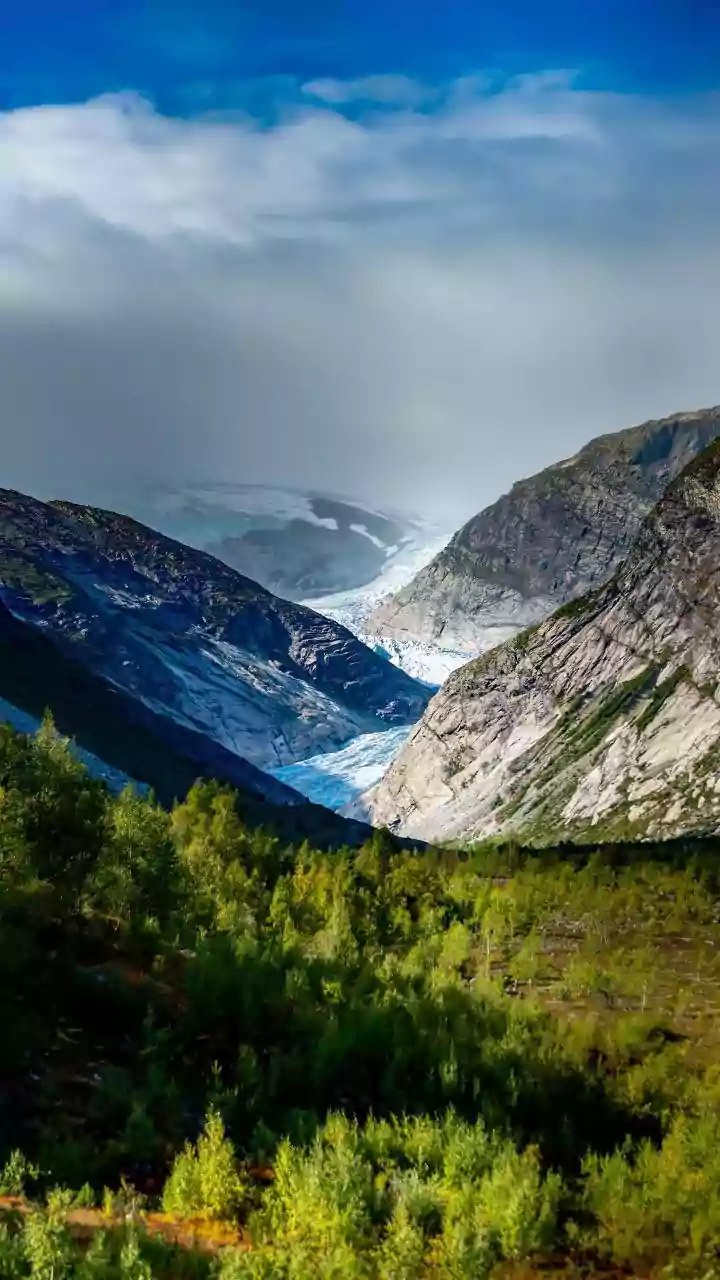
Iceland consistently ranks as the safest country in the world, a title it has held for over 15 consecutive years on the Global Peace Index. For solo women travellers, this translates to a low-stress environment where you can focus on the adventure—be it chasing the Northern Lights or exploring glaciers. The country boasts extremely low crime rates, high gender equality, and a culture where locals are helpful and English is widely spoken. Its reputation for safety is so strong that many women report it’s one of the few places they feel completely at ease walking alone after dark.
Japan: Urban Safety and Solo-Friendly Culture
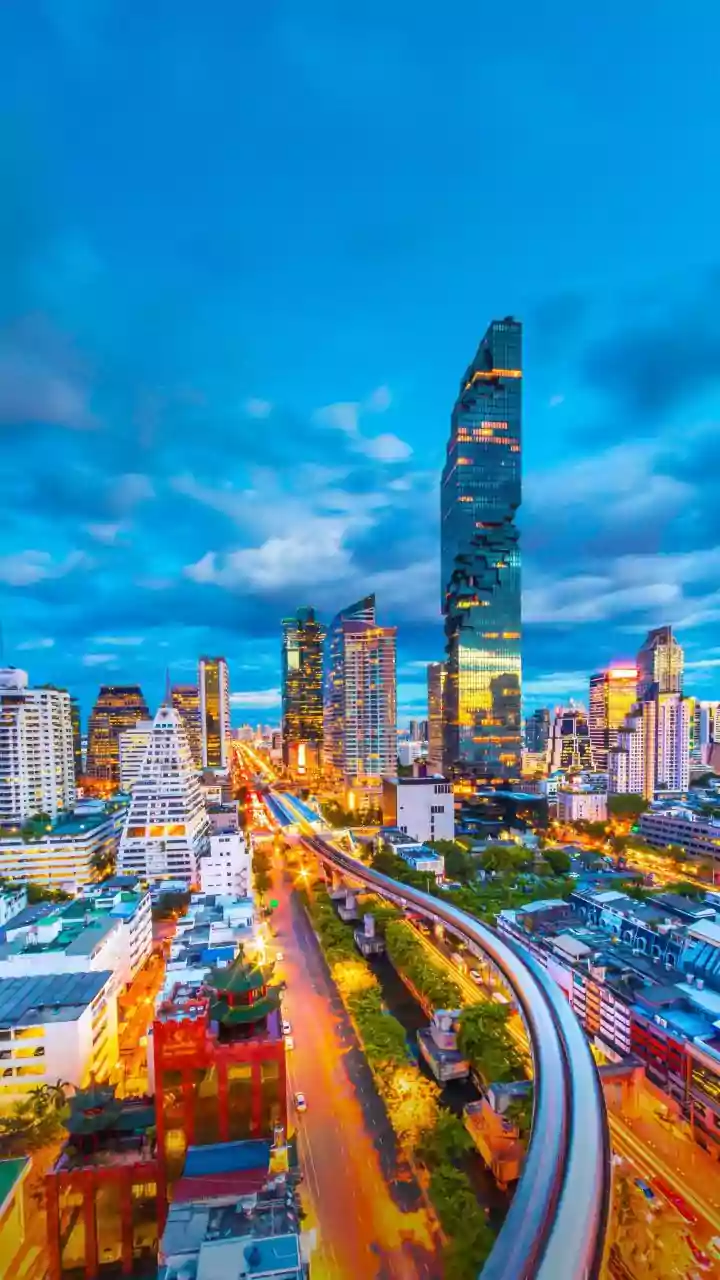
Japan offers a unique combination of bustling city life and remarkable safety. It consistently places high on the Global Peace Index, supported by low crime rates and strict public order. For women traveling alone, this manifests in practical ways: hyper-reliable public transport, women-only train cars during rush hours in major cities like Tokyo and Osaka, and a culture where dining alone is entirely normal. Tokyo has previously been named one of the world's safest cities, scoring high in personal security and infrastructure, allowing travellers to explore its vibrant neighbourhoods with confidence.
The Nordics: A Region Built on Security
Beyond Iceland, the entire Nordic region—comprising Denmark, Norway, Sweden, and Finland—is a stronghold of female safety. Denmark, for instance, topped the 2025/26 Women, Peace, and Security Index for women's inclusion and justice. Norway scores exceptionally high on the metric of women feeling safe while walking alone at night, with 83% of women reporting they feel secure. These countries share common traits of high social trust, progressive social policies, and strong legal frameworks protecting women, making them a reliable choice for first-time or experienced solo travellers.
New Zealand and Switzerland: Peace and Infrastructure
New Zealand is another top contender, praised for its low crime rates and a culture that normalises solo travel for women. Much like its Nordic counterparts, it consistently ranks near the top of both the Global Peace Index and the WPS Index. Switzerland also stands out, ranking second on the WPS Index and scoring high for its overall safety and reliable infrastructure. Both countries offer breathtaking natural landscapes, from the Swiss Alps to New Zealand's dramatic coastlines, with the added peace of mind that comes from a secure and well-functioning society.
Ireland and Portugal: Welcoming and Secure
Ireland and Portugal both feature prominently in recent safety rankings for their combination of low conflict, social cohesion, and positive attitudes. Ireland scores particularly well for its strong laws protecting women and for a society where attitudes disapproving of violence against women are widespread. Portugal offers a similar sense of security, combined with warm weather and a welcoming culture, making its coastal towns and historic cities appealing options for women seeking a relaxed and safe solo trip.