



An Orbit Reaching Its Limit
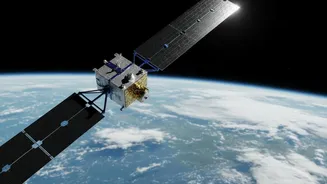
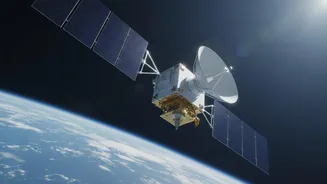
Space may seem infinite, but the usable orbits around Earth are anything but. Decades of satellite launches have left behind a treacherous field of debris. There are over a million pieces of junk larger than one centimetre currently being tracked, each capable
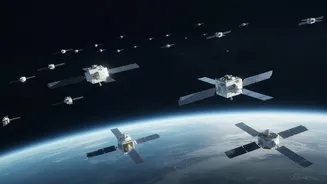
of causing catastrophic damage to a functional satellite. With tens of thousands of new satellites expected to launch in the coming years, driven by the growth of large constellations for internet and communication, the risk of collision is escalating rapidly. This orbital traffic jam was a central theme at the SMOPS-2026 conference in Bengaluru, jointly organised by ISRO, the Astronautical Society of India (ASI), and the International Academy of Astronautics (IAA). Experts warned that without immediate and coordinated action, the pathways to space could become unusable, jeopardising everything from GPS navigation and weather forecasting to global financial transactions and, of course, streaming services.
The New Rules of the Road
The core of the discussion in Bengaluru revolves around two key concepts: Space Situational Awareness (SSA) and Space Traffic Management (STM). Think of SSA as the comprehensive map and radar system for space. It is the practice of tracking objects in orbit—active satellites, defunct ones, and fragments of debris—to predict their paths and anticipate potential collisions. STM is the set of rules and procedures that uses this data to coordinate safe operations, much like air traffic control does for airplanes. At SMOPS-2026, a major focus was the need for international standards and data sharing. As ISRO Chairman V. Narayanan highlighted, the complexity of modern missions and the sheer number of objects in orbit make manual monitoring unsustainable. The future of safe space operations, as discussed by experts from NASA, ESA, and JAXA, depends on automated systems powered by Artificial Intelligence (AI) and Machine Learning (ML) to manage the cosmic congestion.
India's Leadership in the Clean-Up Effort
India is positioning itself not just as a participant but as a leader in the quest for space sustainability. ISRO's establishment of the ISRO System for Safe and Sustainable Space Operations Management (IS4OM) is a testament to this commitment. This initiative is dedicated to monitoring space objects and mitigating the risks of collision for India's space assets. In 2025 alone, ISRO performed 17 collision avoidance manoeuvres to protect its satellites. Furthermore, India has announced its ambitious Debris-Free Space Mission (DFSM) initiative, which aims for all Indian space activities, both governmental and private, to generate zero new debris by 2030. This forward-thinking policy was a key part of the conversation at SMOPS-2026, where India's proactive stance, including developing technologies for active debris removal and demonstrating rendezvous capabilities with its SpaDeX mission, was highlighted.
From Ideas to Action
The story emerging from SMOPS-2026 is one of urgent collaboration. The conference served as a vital platform for space agencies, startups, and academic institutions to move beyond identifying problems toward implementing solutions. Key discussions focused on creating a global framework for STM, leveraging AI for autonomous collision avoidance, and developing policies for the responsible management of large satellite constellations. ISRO Chairman V. Narayanan emphasised that meticulous planning and international cooperation are essential to tackle the challenges posed by increasing space traffic. The event underscored a global consensus: the projected $1.8 trillion space economy is entirely dependent on maintaining a safe and sustainable orbital environment. The conference was not just a forum for technical papers but a call to action for the global space community to work together to protect this shared resource.