




Beyond the Honeymoon Cliché
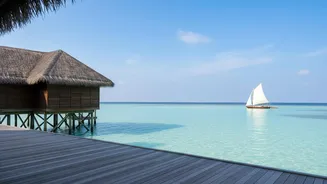
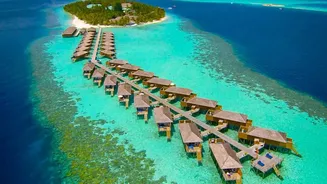
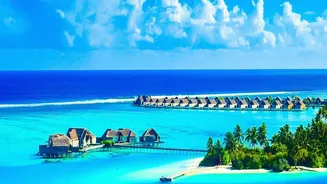
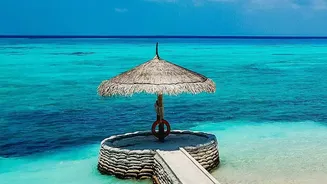
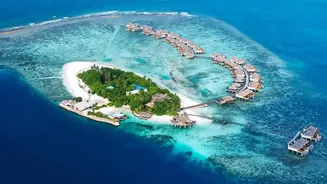
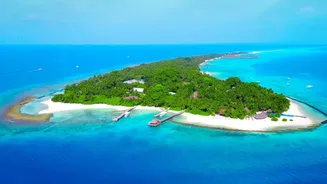
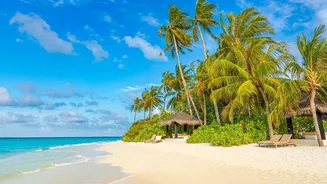
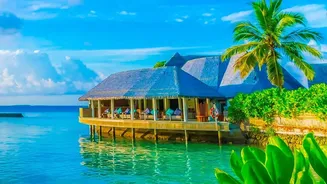
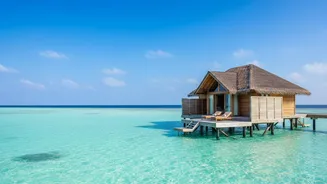
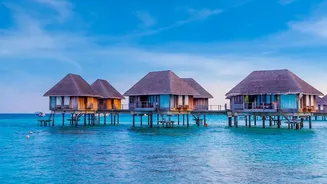
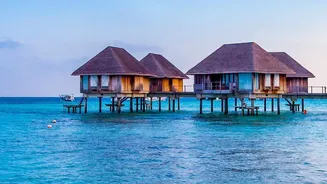
The classic image of the Maldives is one of barefoot luxury and seclusion, a model perfected since the first resort opened in 1972. This 'one island, one resort' concept created an unparalleled sense of private paradise, making it the ultimate destination
for honeymooners and those seeking escape. However, today's luxury traveler is increasingly looking for more than just opulent isolation. There is a growing demand for experiences that are not only memorable but meaningful. This shift has prompted the archipelago to look beyond its stunning natural beauty and tap into its most authentic assets: its rich heritage and fragile ecosystems.
An Immersion in Maldivian Heritage
A significant part of this new chapter involves celebrating a culture that was once largely separate from the resort experience. Since 2009, when regulations changed to allow guesthouses on inhabited islands, community-based tourism has begun to flourish. This has created opportunities for travelers to connect with the real Maldives. Visitors can now explore local islands like Maafushi and Dhigurah, experiencing daily life, traditional cuisine, and the hypnotic rhythms of Bodu Beru drumming. High-end resorts are also embracing this trend, collaborating with local communities to offer workshops on traditional crafts, cooking classes, and heritage walks. This approach not only provides a more authentic experience for guests but also empowers local artisans and entrepreneurs, ensuring the economic benefits of tourism are more fairly distributed.
The Rise of Eco-Luxury
Sustainability has become a defining feature of the new Maldivian luxury. Recognizing that the nation's world-famous coral reefs and marine life are its most precious resources, resorts are increasingly positioning themselves as guardians of the environment. Conservation is no longer a background activity but a central part of the guest experience. Many properties now employ full-time marine biologists and offer guests the chance to participate directly in conservation efforts, such as coral planting programs or turtle rehabilitation. Resorts like Soneva Fushi and Kudadoo Maldives Private Island are leading the way, with some running entirely on solar energy or even achieving carbon-negative status. This commitment extends to eliminating single-use plastics, harvesting rainwater, and growing produce in on-site hydroponic gardens, proving that world-class luxury and environmental responsibility can go hand-in-hand.
A More Conscious Way to Travel
This evolution from passive luxury to conscious travel offers a more holistic and engaging way to experience the Maldives. It moves beyond a simple vacation to become an opportunity for connection—with nature, with a vibrant culture, and with the local communities who call these islands home. This new model diversifies the nation's offerings, attracting travelers who seek to understand and contribute to the places they visit. By choosing experiences that support local economies and ecological preservation, visitors are not just observing paradise from a distance; they are actively participating in its future.