



A Sudden Drop, A Stark Reminder
On Tuesday, passengers and crew aboard Air India flight AI2379 from Phuket to Delhi experienced a terrifying few moments. The aircraft hit severe turbulence, resulting in a sudden loss of altitude that left 13 passengers and four crew members with injuries
requiring hospitalisation. The incident, which happened during the cruise phase of the flight, underscores a critical reality of air travel: severe, unexpected turbulence can happen at any time, not just during takeoff and landing. Such events serve as a potent reminder that while flying is overwhelmingly safe, the forces of nature are unpredictable, and simple precautions are not optional.
The Invisible Threat: Clear-Air Turbulence
Often, when we think of turbulence, we picture stormy skies and flashing lightning. However, one of the biggest risks to modern aviation is something pilots cannot see: Clear-Air Turbulence (CAT). This phenomenon occurs in cloudless, clear skies, often near jet streams where large air masses moving at different speeds collide. Unlike weather-related turbulence, CAT gives no warning and cannot be detected by conventional onboard radar. A plane can be flying smoothly one second and drop hundreds of feet the next. It is during these sudden events that unbuckled passengers are most at risk, as they can be thrown around the cabin with violent force, leading to serious injury.
Why Your Seatbelt Is Your Best Defence
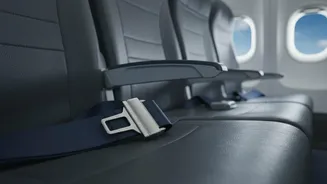
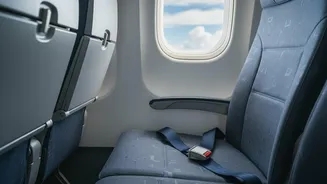
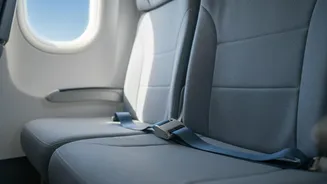
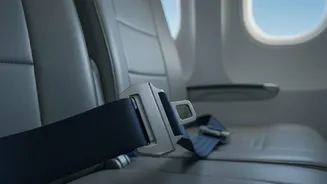
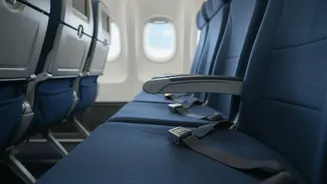
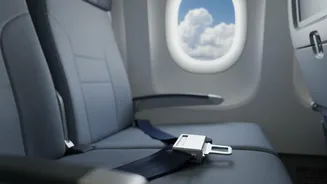
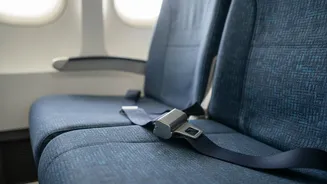
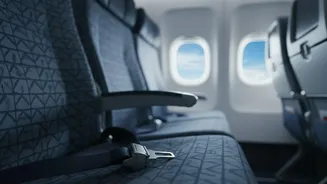
The physics of a turbulence incident are brutally simple. When a plane hits a pocket of descending air, it can drop suddenly. To an unbuckled passenger, it feels as if the floor has fallen away, but the reality is the person is briefly in freefall inside the cabin. When the plane stops its descent, the passenger continues to fall, often hitting the ceiling or other fixtures. A seatbelt, however, keeps a person anchored to their seat, moving with the aircraft. It is the single most effective tool for preventing injury during turbulence. Aviation authorities and airlines are unanimous in their advice: keep your seatbelt fastened whenever you are seated, even if the seatbelt sign is off. This simple habit can be the difference between a scary story and a trip to the hospital.
A Bumpier Future for Air Travel?
Several scientific studies suggest that air travel may become more turbulent in the coming decades. Researchers have found growing evidence linking climate change to an increase in the frequency and intensity of Clear-Air Turbulence. As global temperatures rise, it is expected to increase wind shear in the jet stream, the primary cause of CAT. Some models project that severe turbulence could double or even triple on busy flight routes in the coming decades. This potential increase makes the personal responsibility of staying buckled up more important than ever for passenger safety.
What Indian Regulators Recommend
India’s aviation watchdog, the Directorate General of Civil Aviation (DGCA), has become increasingly proactive about turbulence. Citing the growing impact of climate change on operational unpredictability, the DGCA has advised flight crews to maintain heightened vigilance. The regulator has revised guidelines for operating in adverse weather, encouraging pilots to prioritise safety over schedules and to divert or turn back if conditions are severe. For passengers, the message from the DGCA and airlines is consistent and clear: listen to crew instructions, keep baggage stowed securely, and most importantly, keep your seatbelt fastened whenever seated to protect yourself from unexpected events.