



The Anatomy of a Disaster
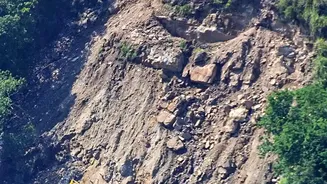
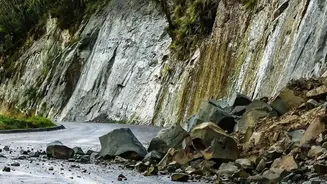
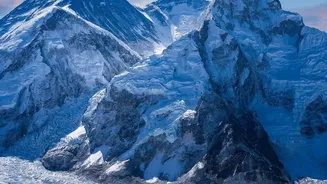
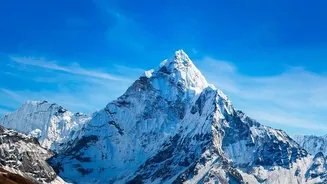
On August 26, 2026, a massive section of rock and ice collapsed from Langtang Lirung mountain on the border of Nepal and China. An estimated 110 million cubic metres of debris—a volume hard to comprehend—crashed into the valley below, triggering an enormous
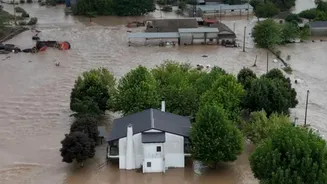
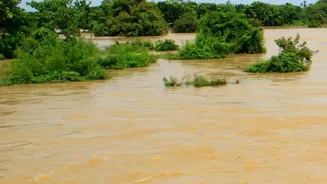
flash flood that moved at over 170 kilometres per hour. The torrent of water, rock, and ice obliterated homes, bridges, and hydropower facilities, tragically killing over 1,400 people and leaving thousands more missing across several districts, including the Kathmandu Valley. Unlike floods caused by heavy rain, this event struck with no warning, a sudden and violent release of energy from the high Himalayas.
The Climate Change Connection
A study by the World Weather Attribution group, an international team of scientists, concluded that while not the single cause, human-induced climate change was a crucial destabilising factor. The researchers found that long-term warming created the preconditions for the slope to fail. In the months leading up to the disaster, the region experienced its warmest July and August on record. This intense heat accelerated the melting of glaciers and, crucially, the thawing of permafrost—the permanently frozen ground that acts like cement, holding steep mountain slopes together. As this natural glue weakened, the rock face became fundamentally less stable.
A Landscape in Flux
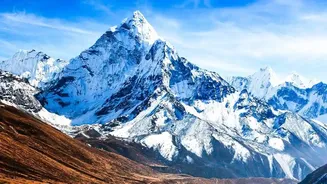
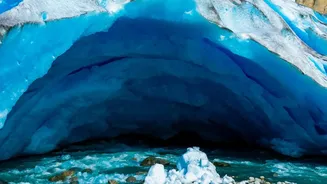
The impact of rising temperatures in the Himalayas is dramatic and measurable. The freezing line—the altitude where water remains frozen year-round—has been climbing by about 100 metres per decade. This means more rock is exposed to freeze-thaw cycles, further weakening the mountainside. The glaciers themselves are thinning and retreating, removing the physical support they once provided to the rock walls above them. The study noted that while a major earthquake in 2015 may have initially fractured the rock, it was the persistent, decades-long warming that likely set the stage for the eventual collapse. The fingerprints of climate change are seen not in a single weather event, but in the slow, relentless transformation of the mountain environment.
More Than a Local Tragedy
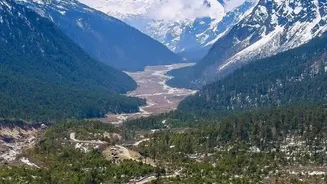
The disaster in Nepal highlights the terrifying reality of cascading hazards. The initial rock and ice avalanche was just the beginning. The debris can block rivers, forming temporary dams that create new lakes. These lakes can then burst, causing a second wave of flooding downstream. For a country like Nepal, which contributes less than 0.1% of global greenhouse gas emissions, the consequences are devastating and disproportionate. The country has argued that it is paying the ultimate price for a global crisis it did not create and has sought international funds to help it adapt and rebuild. The event also exposed the limits of current adaptation strategies; no early warning system could have prevented the scale of destruction from such a sudden, massive collapse.
A Warning for the Entire Region
What happened in Nepal is not an isolated incident but a grave warning for the entire Himalayan region, including India. Scientists have been pointing to the increasing risk of Glacial Lake Outburst Floods (GLOFs) and similar events for years. Disasters like the 2021 Chamoli event in Uttarakhand share similar characteristics. With more than two billion people living downstream from the Himalayas, the stability of this 'roof of the world' is critical for water security and safety across Asia. As temperatures continue to rise, the frequency and severity of these catastrophic events are expected to increase, challenging communities and governments to prepare for a more volatile future.