




The Rise of the DIY Protein Crust
The high-protein pizza movement largely bubbled up from social media and fitness communities. Home cooks began experimenting with ways to make their favourite indulgence align with their nutritional goals. The solution, it turns out, was surprisingly
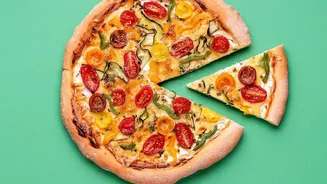
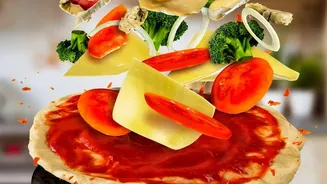
simple and hiding in plain sight in the dairy aisle. The most popular recipes for high-protein dough replace oil and sometimes yeast with either Greek yogurt or cottage cheese. When blended, cottage cheese provides moisture, structure, and a significant protein boost without overpowering the flavour. Similarly, Greek yogurt binds the flour to create a chewy, satisfying crust. The basic formula often involves just two main ingredients: self-rising flour and Greek yogurt or cottage cheese. This method transforms the pizza base from a simple carbohydrate canvas into a more balanced component of the meal, helping to keep you feeling full longer.
Beyond the Basics at Home
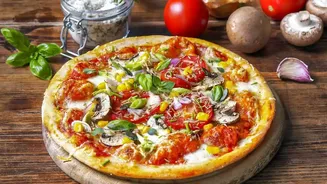
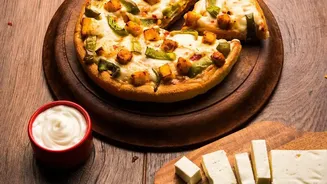
For those looking to elevate their protein intake even further, the experimentation doesn't stop with yogurt. Many online recipes now incorporate unflavored whey or plant-based protein powders directly into the dough mixture. This can significantly increase the protein content without drastically altering the taste or texture. Another popular addition is vital wheat gluten, which enhances both the protein level and the dough's elasticity. Some health-conscious pizza lovers also add nutritional yeast for a cheesy, savory flavour and an extra protein kick. These additions allow for a highly customizable pizza that can be tailored to specific dietary needs, whether someone is looking for a low-carb alternative or simply a more macro-friendly meal. The toppings, of course, add even more, with lean options like grilled chicken, turkey pepperoni, or paneer being popular choices.
Big Pizza Chains Take Notice
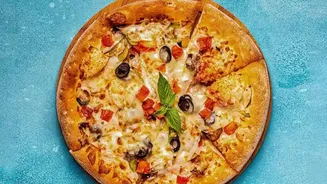
When a food trend gains enough traction online, major chains inevitably start paying attention. Earlier this year, Papa John's provided a clear signal that high-protein pizza is entering the mainstream. The company announced a limited, one-day test of its "Protein Crust Pizza" at a single location in Atlanta. This personal-sized pizza featured a dough that, on its own, delivered 23 grams of protein, with the total climbing as high as 55 grams depending on the toppings. While Papa John's did not disclose the specific ingredients used to infuse the dough with protein, the move itself was significant. It validated the growing consumer demand for healthier versions of beloved foods and showed that restaurant chains are actively exploring how to incorporate wellness trends into their menus. If customer response proves positive, such options could become a permanent fixture.
The Future of Protein Innovation
The protein being added to pizza today is just the beginning. The wider food technology industry is in the midst of a protein revolution, driven by goals of sustainability and enhanced nutrition. While plant-based proteins like pea and soy have become common, the next wave of innovation is focused on novel sources. These include mycoproteins derived from fungi, nutrient-dense proteins from microalgae like spirulina, and even proteins produced through precision fermentation, which can create animal-identical proteins without the animal. Experts predict these alternatives will become more widespread by 2026, finding their way into familiar foods as a way to upgrade existing products rather than forcing consumers to adopt entirely new eating habits. While you may not find algae or fermented protein on your pizza just yet, the technology is rapidly advancing, promising a future where your dinner can be both indulgent and highly functional.