

Welcome to Escuaín, Population: 3
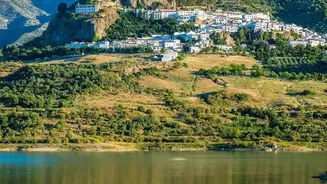
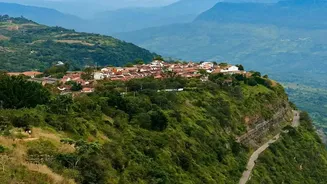
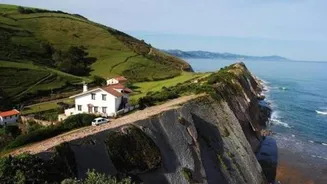
Deep within the province of Huesca in Aragon, the hamlet of Escuaín clings to a plateau, a forgotten whisper of stone and slate. As of the last count, its official population was a mere three residents. This isn’t a bustling tourist town; it’s a place
where time seems to have paused. There are no grocery stores to browse, no cafes to linger in, and no souvenir shops. The daily rhythm is not dictated by commerce but by the rising and setting of the sun over the dramatic peaks of the Ordesa y Monte Perdido National Park, a UNESCO World Biosphere Reserve it calls home. Life here operates on a different logic, one where essentials are brought in from towns far down the winding mountain roads and the community’s wealth is measured in silence and scenery.
The Luxury of Silence
The absence of commercial activity creates a vacuum that is immediately filled by the sounds of nature. Instead of the hum of refrigerators and the chime of a shop door, the air carries the call of the bearded vulture, a magnificent bird for which the region is a famous sanctuary. The wind whispers through ancient forests and across the dramatic limestone gorge carved by the Yaga River over millennia. This profound quiet is a stark contrast to the sensory overload of modern urban life. It offers a chance to reset, to notice the subtle details of the natural world, and to experience a peace that has become one of the rarest commodities. In Escuaín, silence isn’t an absence of something; it is the presence of everything else.
A Gateway to Raw Nature
While the village itself is a portrait of tranquility, it serves as the entry point to a rugged, untamed wilderness. Escuaín is one of the four main gateways to the national park, offering access to the spectacular Escuaín Gorges. Hiking trails wind from the village into the valley, leading adventurers past old shepherds' huts and abandoned fields, relics of a time when the area supported a larger population. These paths, some easy and others demanding, allow visitors to immerse themselves in a landscape that has been shaped as much by generations of human labour as by geology. It is a place for exploration, whether on foot through its dense woods or, for the more daring, into the network of caves and chasms that define its karstic terrain.
Where the Stars Reclaim the Night
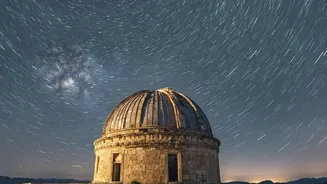
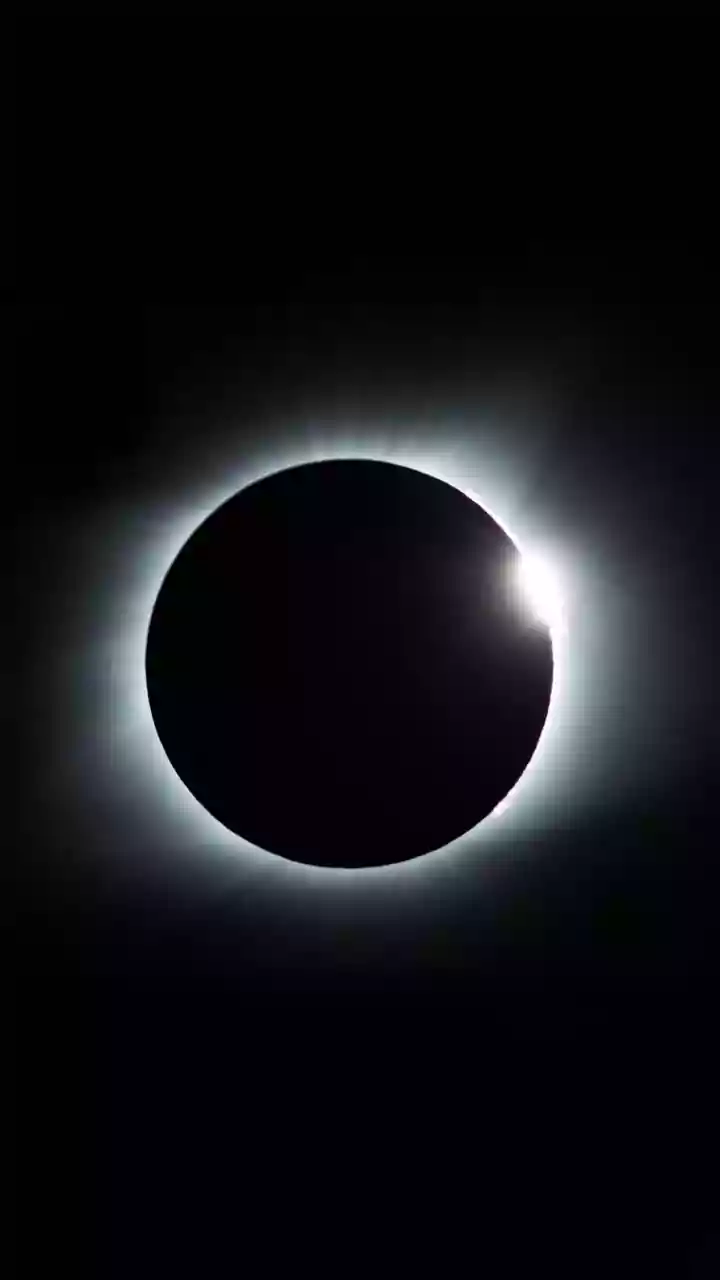
When night falls, Escuaín’s most breathtaking feature is revealed. The complete lack of commercial establishments and streetlights means there is virtually no light pollution. This allows the night sky to appear in its full, staggering glory. Spain has become a world leader in astrotourism, with numerous certified Starlight Reserves where the quality of the night sky is protected by law. While Escuaín may not hold a formal title, it offers the same pristine conditions. On a clear night, the Milky Way isn't a faint smudge but a brilliant, textured river of light. Constellations pop with a clarity that city dwellers can only dream of. This celestial spectacle is a direct consequence of the village’s isolation—a powerful reminder that sometimes, the most beautiful things are seen only when we turn the lights off.
A New Definition of 'Having It All'
It’s little wonder that places like Escuaín have captured the imagination of international media and travellers seeking an antidote to the pressures of a hyper-connected, consumer-driven world. These tiny outposts of simplicity are becoming beacons for a different way of life. They challenge our ideas of what is necessary for a rich and fulfilling existence. They suggest that perhaps true wealth isn’t about accumulation but about connection—to nature, to history, and to a profound sense of peace. The story of Escuaín is not one of deprivation, but of a quiet, stubborn abundance of things that truly matter.