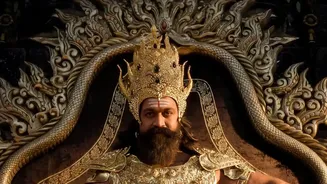




Ravana, the mighty antagonist of the Ramayana, is a figure of immense complexity and power. But the name that inspires such awe and fear was not his first. It was a title earned through a moment of staggering arrogance and profound devotion.
The King Born With Ten Heads
Before he
was known as Ravana, he was called Dashagriva or Dashanana. Both names, derived from Sanskrit, refer to his most striking physical feature: his ten heads. 'Dasha' means ten, while 'griva' translates to necks and 'anana' to faces. This was his birth name, given to him by his father, the sage Vishrava, and it signified not just his appearance but also his vast intellect. It is said his ten heads symbolized his mastery over the four Vedas and six Shastras, making him one of the most learned scholars of his era. He was a king defined by his immense knowledge and power from the very beginning.
An Act of Supreme Arrogance
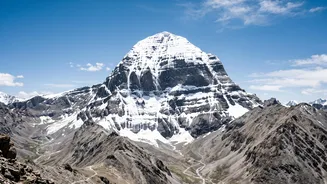
The story of how Dashagriva became Ravana is a pivotal moment in his life, found in the Uttara Kanda of Valmiki's Ramayana. While flying in his celestial chariot, the Pushpaka Vimana, Ravana found his path blocked by Mount Kailash, the abode of Lord Shiva. Annoyed that his chariot could not pass, and in a display of unmatched hubris, he decided to uproot the entire mountain. He thrust his twenty arms beneath the colossal peak and began to lift it. The mountain trembled, terrifying even the gods and causing Parvati, Shiva's consort, to cling to him in fear.
The Cry That Named a King
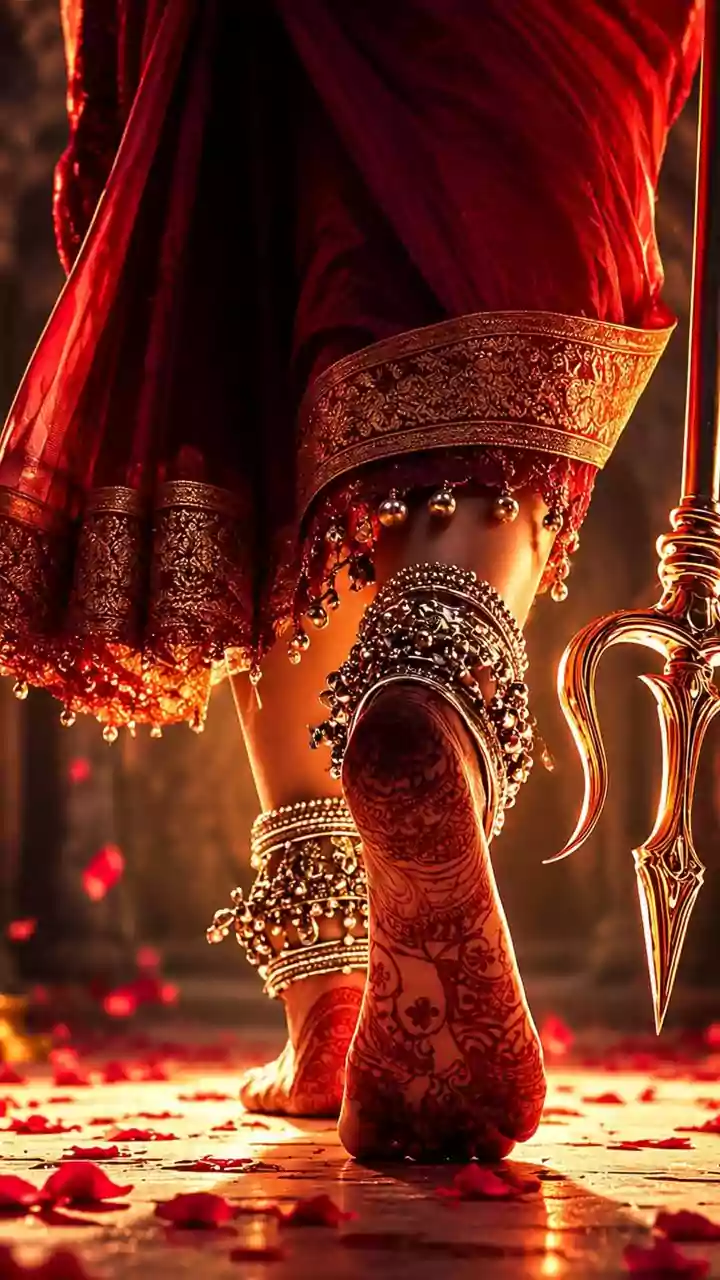
Amused and aware of Ravana's arrogance, Lord Shiva simply pressed down on the mountain with his big toe, trapping Ravana's arms beneath its immense weight. Crushed and in excruciating pain, Ravana let out a terrifying roar, a scream so loud it was said to have shaken the three worlds. This terrible cry, or 'rava' in Sanskrit, gave him his new name. Pleased by the hymns of praise Ravana then sang for a thousand years to earn his freedom, Shiva named him 'Ravana' — 'he who roars' or 'one who makes the worlds cry out'. The name became a permanent reminder of his power, his pride, and the moment he was humbled by a divine force.
Retellings and Rational Explanations
While the tale of Mount Kailash is the most popular origin story, other versions of the Ramayana offer different perspectives. The Jain Ramayana, known as the 'Paumacariya', presents a more rationalized account. In this tradition, Ravana is a virtuous and devout Jain king, not a demon. The name 'Dashamukha' (Ten-Faced) is explained not by literal heads, but by a necklace of nine brilliant gems his mother gave him, which created nine reflections of his face. In one Jain version, the 'roaring' incident still occurs when his aircraft halts over a meditating sage, and his cry of frustration after being humbled earns him the name Ravana. Similarly, some Tamil traditions offer the name 'Iraavanan', which can mean 'a man of strong principles' or 'one of incomparable beauty', highlighting a more revered image of the king.
A Name That Embodies a Legacy
Ultimately, the name Ravana is more than just a title; it encapsulates the character's entire being. It speaks to his earthshaking power, his thunderous pride, and his complex relationship with Lord Shiva, whom he worshipped as an ardent devotee. Even after being defeated, it is the name 'Ravana' that endures in cultural memory, a testament to a figure who was both a formidable scholar and a fearsome antagonist. Different stories add layers of meaning, from a terrifying roar of pain to a rationalized reflection in a necklace, but they all contribute to the legend of a king whose very identity was forged in a moment of dramatic confrontation with the divine.