



The Energising Power of the Pedal
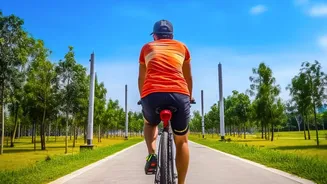
Cycling is a dynamic, high-energy activity that delivers a tangible boost. The rhythmic, repetitive motion of pedalling is a potent form of aerobic exercise that strengthens your cardiovascular system. As your heart and lungs become more efficient, your overall
stamina improves, leading to higher energy levels throughout the day. This isn't just a feeling; it's physiology at work. Regular cycling improves how your body transports and uses oxygen, making everyday tasks feel less taxing. Beyond long-term endurance, even a single 30-minute ride can elevate your mood and leave you feeling more invigorated than exhausted.
The Science Behind a Cyclist's High
The energetic buzz from cycling comes from a cascade of beneficial chemicals released in the brain. Exercise triggers the release of endorphins, your body’s natural mood elevators and pain relievers, creating the famed “cyclist's high.” But it doesn’t stop there. Cycling also boosts dopamine and serotonin, neurotransmitters linked to pleasure, motivation, and a positive mood. Simultaneously, consistent riding helps regulate cortisol, the body's primary stress hormone. This dual effect of increasing 'feel-good' chemicals while decreasing stress hormones creates a powerful recipe for enhanced mental clarity and emotional resilience.
Tai Chi: The Art of Slowing Down
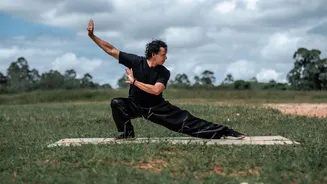
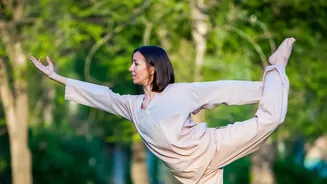
In stark contrast to the vigorous pace of cycling, Tai Chi is an ancient Chinese practice often described as “meditation in motion.” It involves a series of slow, gentle, and flowing movements combined with deep breathing and mental focus. The goal isn't to push your limits with intensity, but to cultivate a state of relaxed awareness. While it may look simple, Tai Chi is a sophisticated mind-body exercise that improves balance, flexibility, muscle strength, and posture. Its power lies in its subtlety, teaching practitioners to move with intention and connect deeply with their own physical state.
Calming the Nervous System
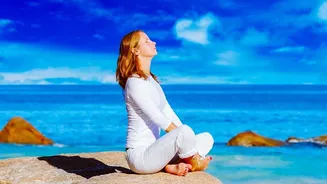
The primary way Tai Chi “slows the body down” is by influencing the autonomic nervous system. The practice helps shift the body from a 'fight or flight' state, governed by the sympathetic nervous system, to a 'rest and digest' state, which is managed by the parasympathetic nervous system. Studies have shown that Tai Chi can lower cortisol levels, reduce blood pressure, and improve heart rate variability, all of which are indicators of reduced stress. This deliberate calming effect can lead to better sleep quality, less anxiety, and an overall improved sense of well-being. It's an active process of recovery and restoration, not simply a lack of movement.
Yang vs. Yin: A Perfect Balance
Thinking of these two activities through the lens of Yin and Yang can be helpful. Cycling embodies the 'Yang' principle—active, energetic, and outward-focused. It builds cardiovascular power and muscular endurance. Tai Chi represents the 'Yin'—receptive, calm, and inward-focused. It cultivates balance, flexibility, and mental peace. One isn't inherently better than the other; they are complementary forces. An intense cycling session (Yang) creates a need for recovery and calm, which Tai Chi (Yin) can provide. Conversely, the core strength and body awareness gained from Tai Chi can improve posture and efficiency on the bike.
Creating Your Holistic Routine
The best wellness routine might not be a choice between cycling and Tai Chi, but a combination of both. You can use cycling on days when you need an energetic release and a cardiovascular challenge. Then, you can turn to Tai Chi on rest days, or as a way to wind down in the evening, to promote recovery, reduce stiffness, and calm your mind. Some experts note that while Tai Chi is excellent, adding an aerobic activity like cycling helps create a more complete fitness regimen. By integrating both the high-energy output of cycling with the mindful restoration of Tai Chi, you address your body's need for both vigorous work and gentle recovery, building a truly resilient foundation for physical and mental health.