





The Allure of the Unofficial Portal
When you search for a service like a passport or visa application, the top results are not always the official ones. Fraudsters create websites that look strikingly similar to legitimate government portals. These fake sites often promise a simplified,
faster process or better support, luring in applicants who are anxious or in a hurry. They might use convincing domain names, such as 'india-passport.org' instead of the official 'passportindia.gov.in', to appear credible. These portals are often sophisticated, designed to trick you into believing they are authorised agents, when in fact, no such role for agents is officially recognised for many services. The primary goal is to either steal your personal information or charge exorbitant fees for services that are much cheaper or even free on the official site.
What's at Stake? The Real Risks Involved
Using a fraudulent portal is more than just an inconvenience; it can have severe consequences. The most immediate risk is financial loss, from paying inflated fees for application forms to outright theft. More dangerously, you are handing over sensitive personal data, including your name, address, date of birth, and financial details. This opens the door to identity theft, where criminals can use your information to apply for loans, credit cards, or even create fake identity documents. In the context of visa applications, using unofficial channels that provide fabricated documents can lead to immediate rejection and may even result in being blacklisted from future travel. Ultimately, you waste time, lose money, and your application could be rejected, forcing you to start the entire process over again.
How to Identify the Official Source
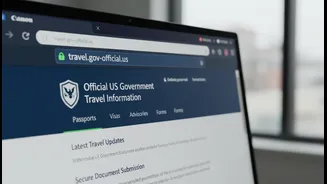
Fortunately, there are clear signs to distinguish official portals from fakes. The most reliable indicator is the website's domain name. Official Indian government websites almost always end in '.gov.in' or '.nic.in'. For example, the only official portal for passport services is 'passportindia.gov.in'. Before entering any information, double-check the URL in your browser's address bar. Look for security indicators like the padlock icon, which signifies a secure 'https://' connection. Be cautious of websites that demand payment upfront just to download a form or that have an unprofessional design with spelling and grammar mistakes. The National Portal of India (india.gov.in) is a reliable central directory for finding authentic government websites.
High-Stakes Applications: Passports, Visas, and Jobs
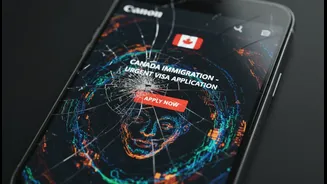
Some applications carry higher risks due to their complexity and importance. Passport applications are a prime target for scams, with numerous fake websites designed to harvest data. Similarly, applying for visas to countries like the United States requires extreme caution, as organised fraud rackets often create elaborate schemes involving fake financial statements and forged documents. Government job portals and university admission systems are also targets. Malfunctioning or compromised portals can cause immense stress for applicants, and in some cases, expose their private data. For these critical applications, it is non-negotiable to use only the official, verified portal.
The One Habit That Guarantees Safety
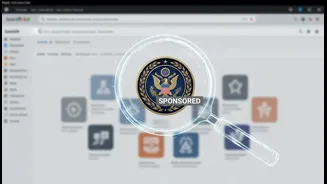
The most effective way to protect yourself is to adopt one simple habit: never start an application by searching on Google and clicking the first link. Instead, take a moment to find the single, official government portal for the service you need. Use a trusted source like the National Portal of India (india.gov.in) to find the correct link. Once you have verified you are on the correct site (checking for '.gov.in' and the padlock symbol), bookmark it in your browser immediately. For subsequent visits, always use your bookmark instead of searching again. This small, one-time action eliminates the risk of accidentally landing on a fraudulent site in the future. For mobile users, official apps like mPassport Seva offer a secure alternative to browsers.