








The Sneaky Science of Stirred-Up Dust
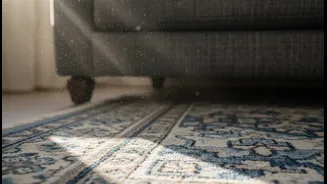
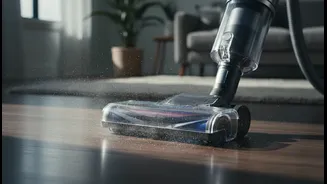
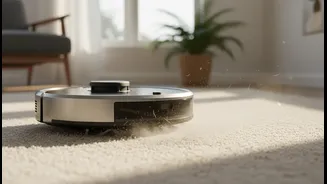
When you run a vacuum over a carpet or rug, the machine’s agitation and airflow are designed to lift and capture debris. However, this same process can launch microscopic particles into the air before the vacuum has a chance to suck them in. These airborne
particles can include common allergens like dust mite debris, pet dander, pollen, and mold spores. For someone with a sensitive respiratory system, this cloud of invisible irritants can be enough to cause sneezing, congestion, and itchy eyes. Vacuums with poor filtration systems can even make the problem worse by sucking in fine particles only to expel them back into the room through their exhaust. This is why simply running any old vacuum cleaner might not be the solution you think it is.
Choose Your Weapon: Why HEPA Filters Matter
Not all vacuums are created equal, especially when it comes to allergies. The gold standard for allergen control is a vacuum equipped with a HEPA filter. HEPA stands for High-Efficiency Particulate Air, and to earn this designation, a filter must be able to trap 99.97% of particles as small as 0.3 microns. These are the tiny, potent allergens that can easily pass through standard filters and stay suspended in the air. When choosing a vacuum, it's crucial to look for “true HEPA” certification, not just “HEPA-style” or “HEPA-type” filters, which may not meet the same strict standards. A vacuum with a completely sealed system is also important; this ensures that air is forced through the HEPA filter and doesn't leak out through cracks in the machine’s body, bypassing the filtration process entirely.
Bagged vs. Bagless: The Disposal Debate
The debate between bagged and bagless vacuums is another key consideration for allergy sufferers. While bagless models are popular for their convenience, they can create a plume of dust when you empty the canister, re-exposing you to the allergens you just collected. For this reason, many allergists and air quality experts recommend bagged vacuums. When you dispose of a full bag, the contents remain contained, minimizing your contact with the dust. Many modern vacuum bags are also designed with multiple layers of filtration material, adding another barrier to trap particles before they even reach the vacuum's main filter. If you prefer a bagless model, be sure to empty the canister outdoors and consider wearing a mask during the process to avoid inhaling the dust cloud.
Your Guide to Allergy-Friendly Vacuuming
Beyond having the right equipment, your technique can make a significant difference. To maximize allergen removal and minimize airborne dust, vacuum at least once or twice a week, paying special attention to bedrooms and high-traffic areas. Move the vacuum slowly and deliberately in overlapping strokes to give the machine time to lift embedded dirt and dander. For carpets, vacuuming in multiple directions—first north-to-south, then east-to-west—can help dislodge allergens trapped in the fibers. After you finish, it can be helpful to leave the room for 15-20 minutes to allow any remaining airborne dust to settle. For added protection, especially if you have severe allergies, wearing a mask while cleaning can provide a personal barrier against inhaled irritants.
A Whole-Home Approach to Clearer Air
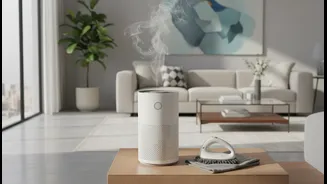
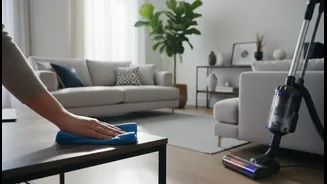
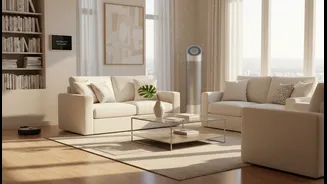
Vacuuming is a powerful tool, but it's most effective as part of a broader strategy to reduce indoor allergens. Regularly dust hard surfaces with a damp or microfiber cloth, which traps dust instead of just moving it around. Wash bedding, including sheets and pillowcases, in hot water (at least 130°F or 54°C) weekly to kill dust mites. Using allergen-proof covers on mattresses and pillows creates a barrier against dust mites. In humid climates, a dehumidifier can help keep humidity levels below 50%, inhibiting the growth of both mold and dust mites. Finally, consider using a portable air purifier with its own HEPA filter in the rooms where you spend the most time, such as the bedroom, to continuously capture airborne particles.