




Embrace the Alentejo's Gentle Rhythm
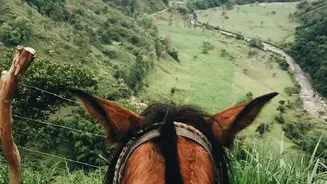
Often called the soul of Portugal, the Alentejo region is the country's slow-travel epicentre. This vast, sun-drenched landscape of cork forests, olive groves, and golden plains is punctuated by whitewashed towns that seem to move at a gentler pace. A road
trip here is less about the destination and more about the journey itself. Base yourself in Évora, a UNESCO World Heritage city with a Roman temple and a cathedral, and take day trips to surrounding villages. The region encourages you to appreciate simple pleasures: long lunches, exploring megalithic sites that predate history, and savouring the local wine under a wide-open sky. For a truly immersive experience, a car is recommended to explore the quiet roads that connect its charming towns and wineries.
Follow the Historical Villages Route
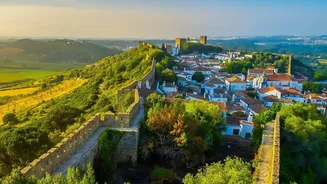
For a journey back in time, trace the 'Aldeias Históricas de Portugal', a network of 12 fortified villages near the Spanish border. These were the nation's frontline defence for centuries, and today they offer a remarkable glimpse into medieval life. Driving the circular route connecting them is a popular way to explore, but for a deeper immersion, consider tackling a section of the GR22 trail, a long-distance path that links all 12 villages over nearly 600 kilometres. Highlights include Monsanto, where houses are built into giant granite boulders, and the perfectly preserved walled village of Sortelha. Time moves differently here, measured not in hours but in the textures of stone and the echoes of history.
Find Your Footing on a Walking Trail
To truly connect with the landscape, there's no better way than on foot. The Rota Vicentina is a network of walking paths in southwestern Portugal, covering the wilder parts of the Alentejo and Algarve. It features two main routes: the Historical Way, which winds inland through cork forests and quiet farmland, and the more famous Fishermen's Trail, a stunning coastal path that follows the rugged cliffs. These trails offer a chance to disconnect from modern life and tune into the sounds of nature. With well-marked stages and welcoming villages for overnight stays, it’s an accessible adventure for anyone with a reasonable level of fitness who wants to experience the region's raw beauty up close.
Let the Train Take the Strain
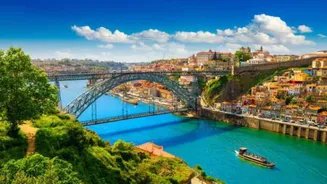
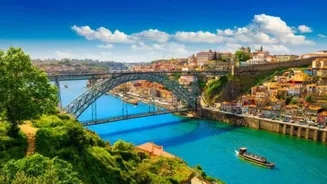
Train travel in Portugal is an experience in itself—a chance to sit back and watch the scenery unfold. The Douro Line is arguably the country's most spectacular railway journey, running from Porto along the winding Douro River. As the train snakes through the UNESCO-listed valley, you'll be treated to breathtaking views of terraced vineyards clinging to steep hillsides. While the Alfa Pendular high-speed trains connect major cities, the regional services are your ticket to the countryside, stopping at smaller towns and offering a more relaxed way to travel. It’s a classic form of slow travel that prioritises the journey over the destination, with the gentle rhythm of the rails setting the pace.
Stay Somewhere with a Story
Where you stay can be as much a part of the experience as the places you visit. Portugal offers unique accommodations that allow you to sleep inside history itself. The Pousadas de Portugal are a network of luxury hotels located in beautifully restored historic buildings, including castles, monasteries, and convents. Staying in a 13th-century castle in Estremoz or a former convent in Évora adds a profound sense of place to your trip. For a more rustic alternative, look for a 'turismo rural' or farm stay. These properties offer a chance to connect with local life, enjoy home-cooked meals, and experience the quiet rhythms of the Portuguese countryside firsthand.