



The Key is Variety
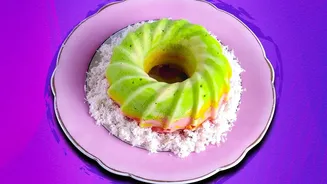
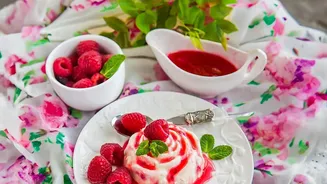
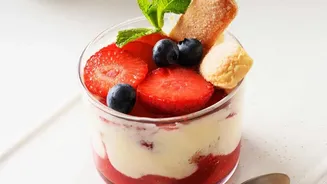
The foundation of a great dessert buffet is a thoughtful selection that offers something for every palate. Aim for a mix of flavours, textures, and types. A good starting point is to include at least one of each of the following: a rich chocolate option,
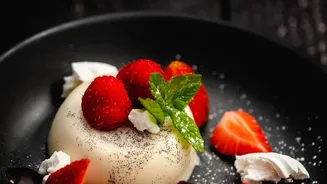
a bright fruit-forward treat, something creamy like a cheesecake or mousse, and a baked good such as cookies or a tart. This ensures a wide appeal. Think about textural contrast too — pair a dense, fudgy brownie with a light, airy meringue, or crunchy cookies with a silky panna cotta. Offering a diverse menu not only caters to different preferences but also creates a more visually interesting and abundant-looking table. Don't forget to consider dietary needs; including a gluten-free or dairy-free option is a thoughtful touch that ensures all your guests can indulge. Small, bite-sized portions are ideal, as they encourage guests to sample multiple offerings without feeling overwhelmed.
Achieving Perfect Balance
Variety alone isn't enough; the desserts must also create a harmonious experience. Balance is about how the different elements on your menu work together. Avoid offering too many intensely rich or heavy desserts. Instead, balance a decadent chocolate cake with lighter options like lemon tarts, fruit sorbets, or delicate pastries. The goal is to keep the palate engaged, not fatigued. Think about the overall sweetness level of your spread. If you have several very sweet items, complement them with something tart or even savoury-sweet to provide contrast. A well-balanced menu guides your guests through a journey of flavours, preventing any single note from becoming overwhelming and ensuring each dessert can be properly appreciated. This principle of contrast is key to creating a spread that feels both indulgent and refined.
Presentation is Everything
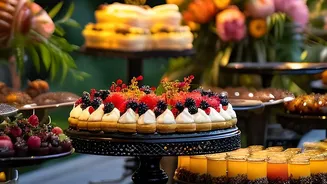
You eat with your eyes first, and a stunning presentation can elevate simple treats into a showstopping centrepiece. The key to a professional-looking dessert table is creating visual interest, primarily through varying heights. Use cake stands, tiered trays, and even overturned boxes or crates hidden under a tablecloth to display desserts at different levels. This draws the eye around the table and prevents it from looking flat. Arrange treats in organised groupings rather than scattering them randomly. Using clean, simple plates, preferably white, will make the colours of the desserts pop. Don't overcrowd the table; negative space is important for a clean, elegant look. Finally, add decorative elements that tie into your party's theme, such as fresh flowers, greenery, or candles. Small, handwritten labels for each dessert are not only helpful for guests but also add a charming, personal touch.
Don't Forget the Drinks
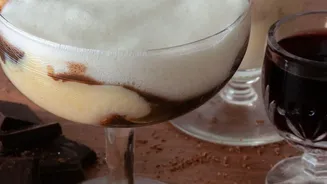
The perfect drink pairing can enhance the flavours of your desserts and complete the experience. Offering a selection of beverages ensures there's a complementary sip for every sweet. You can't go wrong with classic offerings like freshly brewed coffee and a selection of teas. For an extra touch of class, consider pairing specific desserts with wines or cocktails. Bubbly options like Champagne or Prosecco cut through richness and pair wonderfully with fruit-based tarts. Rich, dark chocolate desserts are beautifully complemented by the warming notes of an Old Fashioned or an Espresso Martini. Lighter, citrusy desserts like a key lime pie or lemon posset work well with bright, crisp cocktails like a Mojito or a Whisky Sour. When pairing, a general rule is that the drink should be at least as sweet as, or slightly sweeter than, the dessert itself.