



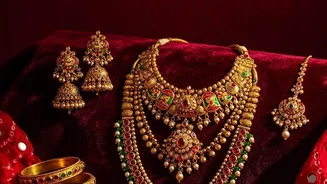
A Volatile Market for Precious Metals
The price of gold and silver in India has seen significant volatility throughout 2026. After hitting record highs early in the year, prices have experienced recent dips. For instance, on November 18, 2026, gold rates saw a steep decline, tracking weakness
in the global bullion market. This was influenced by a strengthening US dollar and expectations of interest rate hikes by the US Federal Reserve, which tend to reduce the appeal of gold as an investment. While a recent report from the World Gold Council noted that lower prices ahead of the wedding season could support demand, it also cautioned that any sharp increase could make buyers hesitate. This leaves many families planning weddings in a state of uncertainty, trying to time their purchases in a market that is anything but predictable.
The Direct Impact on Wedding Budgets
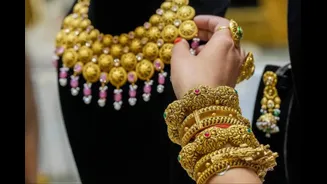
For decades, wedding jewellery has been the biggest single expense in an Indian wedding, often accounting for 15% of the total budget. It’s not just an adornment but a crucial financial asset and a family legacy. The recent price turbulence directly impacts how much a family can afford. While spending in value terms has often increased, the actual quantity of gold being purchased has fallen. The World Gold Council noted that while festive demand in late 2026 saw a 15-25% year-on-year increase in value, the volume of gold sold was flat or only slightly higher. This means families are spending the same amount, or even more, for less gold. A bridal set that was within budget last year might be out of reach today, forcing a difficult recalibration of wedding expenses.
How Buyers Are Shifting Their Strategy
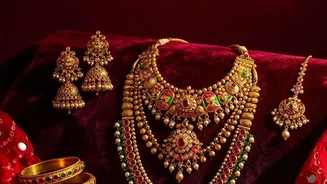
Indian consumers are adapting with savvy and pragmatism. Instead of abandoning the tradition, they are changing what and how they buy. A dominant trend is the move towards lightweight and versatile jewellery. Brides are increasingly choosing pieces that look grand for the ceremony but can also be worn for other occasions, rather than being stored in a locker. This includes modular or convertible sets, where a larger necklace can be broken down into smaller pieces for future use. Many buyers are also opting for lower-karat gold, such as 18-karat instead of the traditional 22-karat, or jewellery studded with diamonds and other gemstones to reduce the overall gold weight and cost. Exchanging old jewellery has also become a major part of the transaction, accounting for a significant portion of sales at many retailers.
Jewellers Respond with New Collections
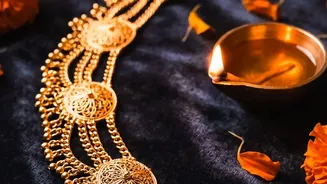
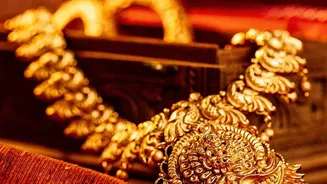
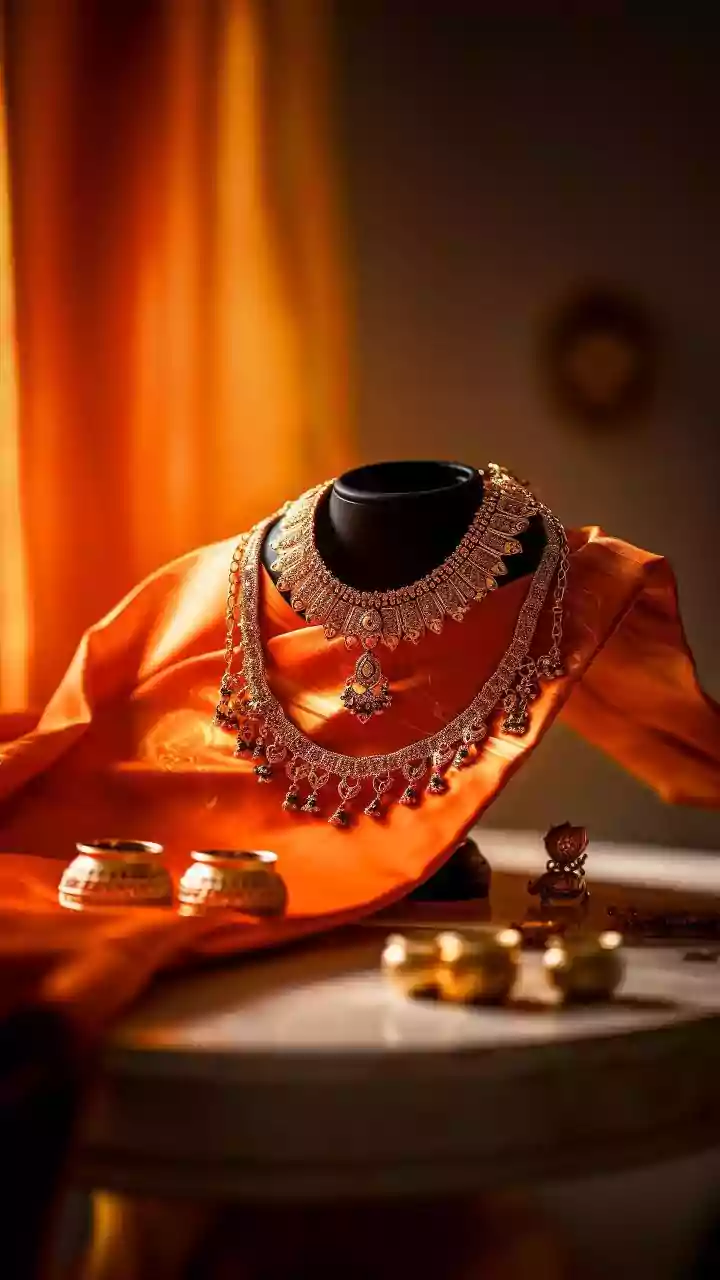
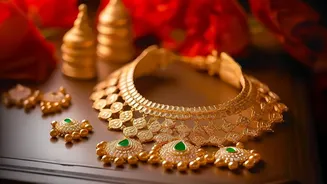
The jewellery industry has been quick to respond to these changing consumer preferences. Retailers across the country are promoting innovative lightweight collections that offer a grand look without the heavy price tag. Designs that focus on craftsmanship and intricate details are gaining prominence over sheer weight. Traditional motifs like temple jewellery remain popular but are being reimagined in lighter forms. Furthermore, there is a growing emphasis on face-framing jewellery, such as statement earrings, ear chains, and elaborate matha pattis, which provide a dramatic bridal look without requiring a heavy necklace. Jewellers are also actively encouraging gold savings schemes, allowing families to plan and book their gold purchases in installments to hedge against price volatility.
Smart Shopping in an Unpredictable Market
For those planning a wedding, navigating this market requires a clear strategy. First, experts advise planning jewellery purchases well in advance. This allows you to take advantage of price dips and explore options without feeling rushed. Utilising monthly savings schemes offered by trusted jewellers can help build a corpus and lock in gold rates. When purchasing, it's crucial to look beyond the price per gram and ask about making charges, which can vary significantly between jewellers. Finally, always insist on BIS-hallmarked jewellery to ensure you are getting the purity you are paying for, a factor that becomes even more critical when prices are high. By being an informed buyer, you can honour tradition and make a sound investment, even when the market is in flux.