




Washington's Push for Verifiable Limits
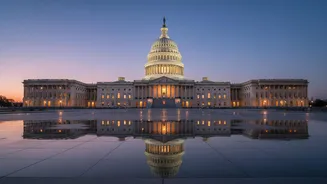
For the United States, the core objective is ensuring Iran cannot develop a nuclear weapon. This translates into a demand for “verifiable limits.” Washington is pushing for a deal that would not only cap Iran's uranium enrichment but also potentially
dismantle key nuclear facilities and ship its existing stockpile of highly enriched uranium out of the country. The emphasis on “verifiable” is crucial. The US and international bodies like the International Atomic Energy Agency (IAEA) insist on unprecedented access for inspectors to monitor all aspects of Iran's nuclear fuel cycle, from uranium mines to centrifuge production. This stems from a deep-seated mistrust and the belief that only a robust, long-term monitoring regime can prevent a secret pathway to a bomb. The US also seeks to address broader security concerns, including Iran's ballistic missile program and its support for regional proxies, which Tehran has consistently resisted discussing.
Tehran's Demand for Economic Security
From Iran's perspective, the negotiations are about economic survival. Tehran’s primary demand is for concrete, lasting economic guarantees. Having seen the US unilaterally withdraw from the 2015 Joint Comprehensive Plan of Action (JCPOA) in 2018 under the Trump administration, Iran is wary of any new agreement that could be easily discarded by a future US government. This experience, which saw crippling sanctions re-imposed despite Iran's initial compliance, has led Tehran to insist it will not be “stung twice.” The demand for guarantees includes the full lifting of sanctions, the release of billions in frozen overseas assets, and creating a framework where foreign companies feel secure enough to invest in Iran without fearing a snapback of US penalties. Tehran argues that for a deal to be durable, the economic benefits must be real, immediate, and irreversible.
The Ghost of the JCPOA
Understanding the current stalemate is impossible without looking back at the 2015 nuclear deal. The JCPOA was a landmark agreement that offered Iran relief from international sanctions in exchange for significant, verified limits on its nuclear program. For a time, it worked. Iran rolled back its nuclear activities, and its economy began to open up. However, the 2018 US withdrawal shattered the agreement. Washington argued the deal was flawed, particularly its “sunset clauses” that allowed certain restrictions to expire over time, and its failure to address Iran’s non-nuclear activities. In response to the re-imposition of sanctions, Tehran gradually began to break the JCPOA's limits, enriching uranium to higher levels and installing advanced centrifuges, bringing it closer to a potential breakout capability. This history created the profound trust deficit that now plagues any effort to revive diplomacy.
Why the Standoff Matters to India
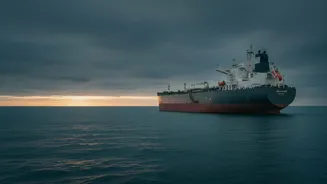
The tensions between Washington and Tehran are not a distant problem for India; they have direct and significant consequences. The most immediate impact is on energy security. As one of the world's largest crude oil importers, India is highly vulnerable to price spikes and supply disruptions in the Gulf. Any conflict or blockade in the Strait of Hormuz, a critical chokepoint for global oil trade, could trigger a sharp rise in fuel costs, contributing to inflation and economic slowdown at home. Beyond energy, the stability of West Asia is vital for India due to the large diaspora of over nine million Indians living and working in the region. Remittances from these workers are a crucial part of India's economy. Furthermore, the tensions complicate India's own strategic and connectivity ambitions, including the development of the Chabahar Port in Iran, which is seen as a gateway to Afghanistan and Central Asia.