
A New Window on the Cosmos
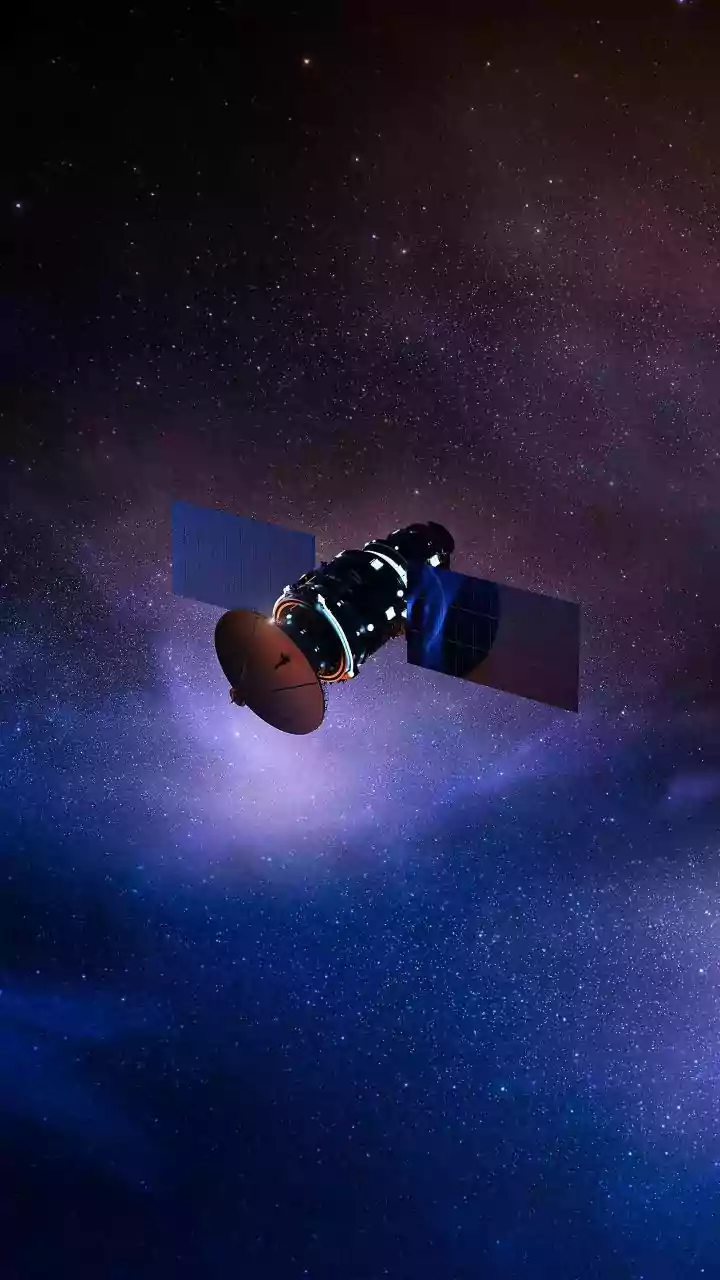
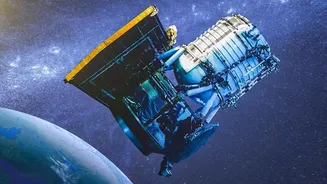
PRIMA, which stands for the PRobe far-Infrared Mission for Astrophysics, is NASA's latest venture into understanding how the universe came to be. It represents the first in a new class of missions called "Probe Explorers," recommended by the National
Academies of Sciences to fill critical gaps in our observational capabilities. Led by NASA's Jet Propulsion Laboratory, the mission will focus on some of the biggest questions in astronomy: how planets form around distant stars, how galaxies and their supermassive black holes grow, and how cosmic dust and heavy elements have spread through the universe over time. By doing so, it will help scientists understand the origins of everything from new worlds to the water that made life on Earth possible.
The Power of Far-Infrared Light
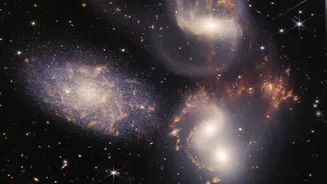
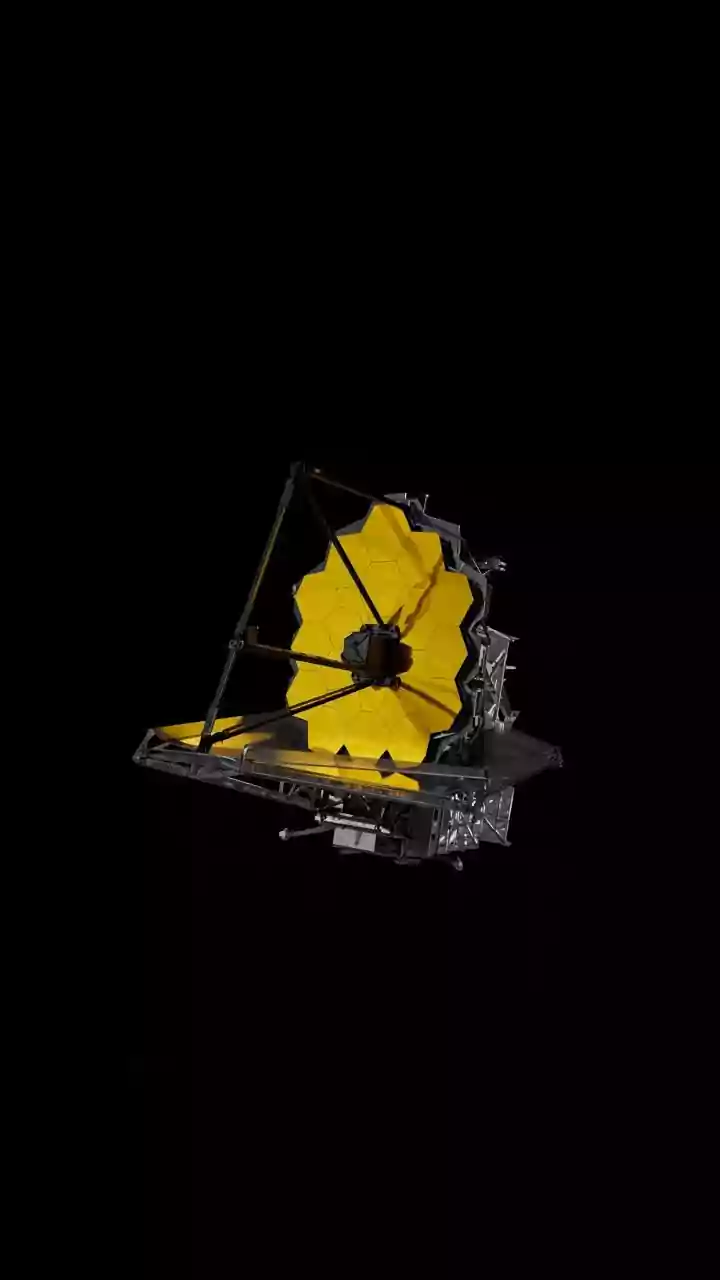
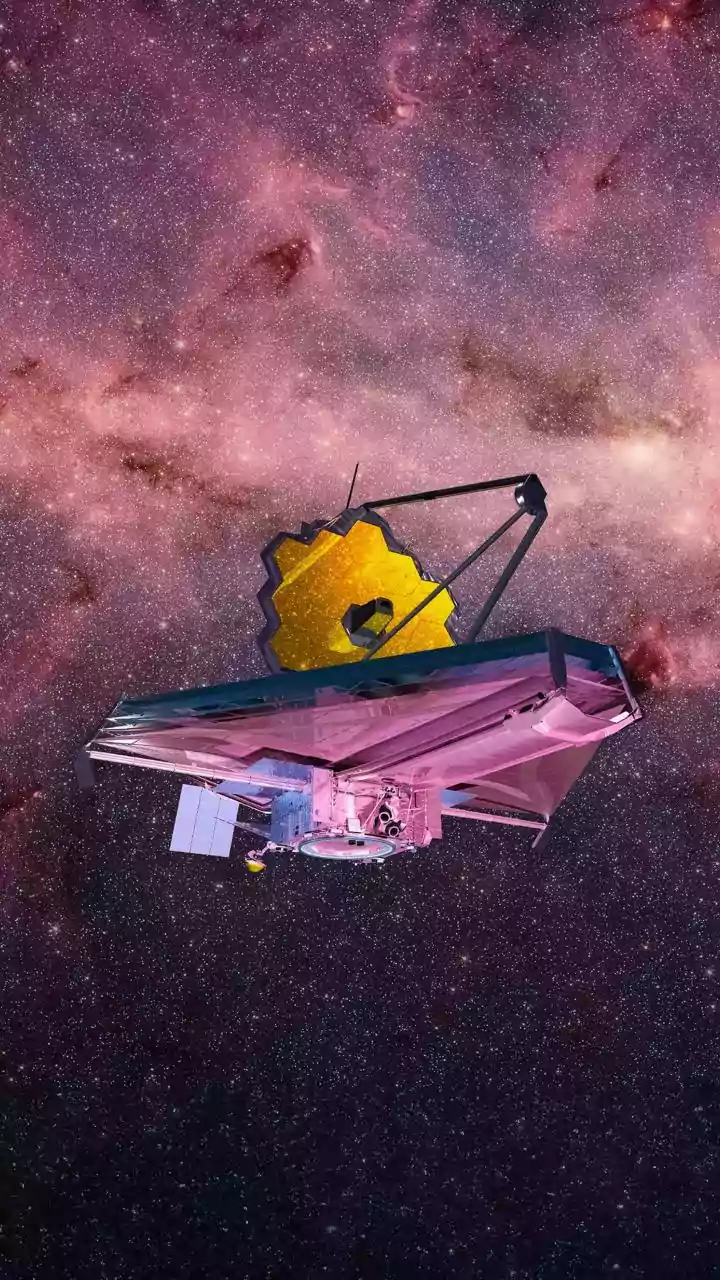
PRIMA’s superpower is its ability to see in far-infrared light. Unlike visible light telescopes or even the James Webb Space Telescope (JWST), which sees in near- and mid-infrared, PRIMA is designed to detect the faint heat from the coldest objects in the universe. Many of the most important cosmic events, like the birth of stars and planets, happen inside vast, dense clouds of dust that visible light cannot penetrate. Far-infrared light, however, passes through this dust, allowing astronomers to see the nurseries of stars and planetary systems directly. The telescope and its detectors will be cryogenically cooled to hundreds of degrees below zero to reduce their own heat, making them incredibly sensitive to the faint signals from deep space. This will give PRIMA a view of the cosmos that is orders of magnitude sharper and more sensitive than previous far-infrared missions like Spitzer and Herschel.
What The Telescope Will Achieve
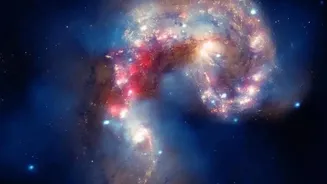
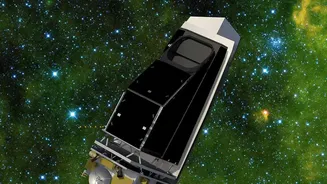
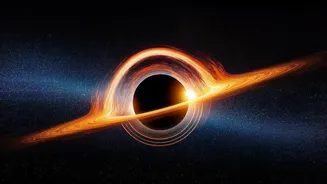
The mission has three main scientific goals. First, it will trace the ingredients of planet formation, specifically quantifying the role of water in creating new worlds. This is a task that even the mighty JWST cannot perform, as the key signatures are only visible in the far-infrared spectrum. Second, PRIMA will study the co-evolution of galaxies and the supermassive black holes at their centers, investigating how they influence each other's growth. Finally, it will map the creation and spread of cosmic dust and heavy elements, providing a clearer history of the universe's chemical enrichment from its earliest days to now. To accomplish this, the observatory will be equipped with a 1.8-meter telescope and a suite of advanced instruments, including an imager and a high-resolution spectrometer.
The Confirmation Review Hurdle
Despite the excitement, PRIMA's journey to space is not yet guaranteed. NASA has selected the mission to move into "Phase B," which focuses on preliminary design and technology development. However, before it can proceed to "Phase C"—the final implementation and building stage—it must pass a critical confirmation review. This review is a standard but serious checkpoint for all major NASA projects. It involves a rigorous assessment of the mission's technical feasibility, its schedule, and its cost projections. The project's cost is currently capped at $1.2 billion, not including launch services, and the review will determine if the team can realistically deliver the groundbreaking observatory within that budget.
Why This Next Step Is Crucial
The confirmation review is the moment of truth. Passing it means PRIMA gets the final green light for construction, with an eye toward a launch no earlier than 2033 for its five-year mission. Failing or facing a significant delay could jeopardise its scientific goals, as researchers and international partners from the UK, Germany, Canada, and elsewhere have already invested time and resources. This review ensures that a mission of this scale is on solid ground before the most expensive phases of construction begin. It is the gate between a brilliant concept and a working observatory. The decision will signal whether PRIMA is ready to become humanity's next great eye on the cosmos or if it remains, for now, a promising but unfulfilled dream.