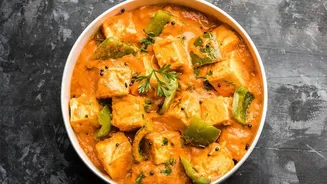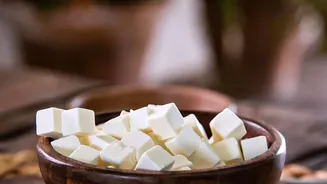




A Nationwide Food Safety Issue
Food safety authorities are taking a firm stance against the misrepresentation of analogue cheese products as real dairy paneer. States like Maharashtra, Gujarat, and Chhattisgarh have recently moved to ban or heavily regulate these imitation products,
citing public health concerns and unfair trade practices. The central food regulator, the Food Safety and Standards Authority of India (FSSAI), has also emphasized that passing off these substitutes as paneer is a violation of food safety laws. This crackdown follows numerous complaints and lab tests which found that restaurants and sellers were using cheaper, non-dairy alternatives without informing customers, who were paying for and expecting genuine paneer.
What Exactly Is Analogue 'Paneer'?
Analogue cheese, often sold as 'imitation' or 'synthetic' paneer, is a product designed to mimic the look and feel of real paneer. However, its composition is entirely different. Instead of being made from milk, it is typically produced using a combination of vegetable oils, hydrogenated fats, starch, water, emulsifiers, and artificial flavours. While these products are not necessarily illegal if labelled correctly, they are significantly cheaper to produce than authentic dairy paneer, which requires large quantities of milk. This cost difference creates a strong incentive for some businesses to secretly substitute the analogue version in dishes to cut costs.
The Health and Nutrition Gap
The primary concern with mislabelled analogue paneer is the stark nutritional difference. Real paneer is a valued source of protein and calcium. In contrast, analogue versions often lack these essential nutrients and can be high in unhealthy fats, particularly saturated and trans fats from hydrogenated vegetable oils. Health experts warn that regular consumption of these fats can increase the risk of high cholesterol, heart disease, and other metabolic issues. While the product itself might not be inherently harmful if made to safety standards, the deception prevents consumers from making informed dietary choices and getting the nutritional benefits they expect from paneer.
How to Spot the Difference
As a consumer, you can learn to identify real paneer from its analogue counterpart. Authentic paneer has a soft, crumbly texture, while the imitation version often feels firmer and more rubbery. Taste is another giveaway; real paneer has a distinct milky, creamy flavour, whereas analogue products can taste flat or slightly oily. When cooked, real paneer softens but holds its shape, while analogue paneer might become excessively stretchy, greasy, or melt unevenly. A simple home test involves boiling a piece and adding a drop of iodine tincture; if it turns blue or black, it indicates the presence of starch, a common ingredient in fake paneer. Finally, always check the label on packaged products for terms like "analogue," "non-dairy," or mentions of vegetable oil in the ingredients list.
What the Rules Mean for You
The new enforcement measures are designed to bring transparency to the food industry. For consumers, this means you have the right to know exactly what you are eating. The FSSAI has mandated that restaurants and other food businesses must clearly state on menus, display boards, and bills if they are using an analogue product. Phrases like “Prepared using Paneer Analogue” must be used. This allows you to make an informed choice based on preference, dietary needs, and budget. While some states have opted for outright bans, the national push is towards honest labelling, ensuring that when you order a paneer dish, you get exactly what you paid for.